Zadar stands as one of the oldest continuously inhabited urban centers along the eastern Adriatic. Founded by the Liburnians and subsequently fortified as a Roman colony under Julius Caesar and Emperor Augustus, the city's ancient street grid remains visible in the layout of modern Old Town. Over centuries, Byzantine, Venetian, and Austrian rulers shaped its architecture, leaving behind a wealth of stone bastions, renaissance palaces, and Romanesque basilicas. The city walls, built by the Republic of Venice between the 16th and 17th centuries to resist Ottoman expansion, now form a tranquil elevated promenade listed as a UNESCO World Heritage site.
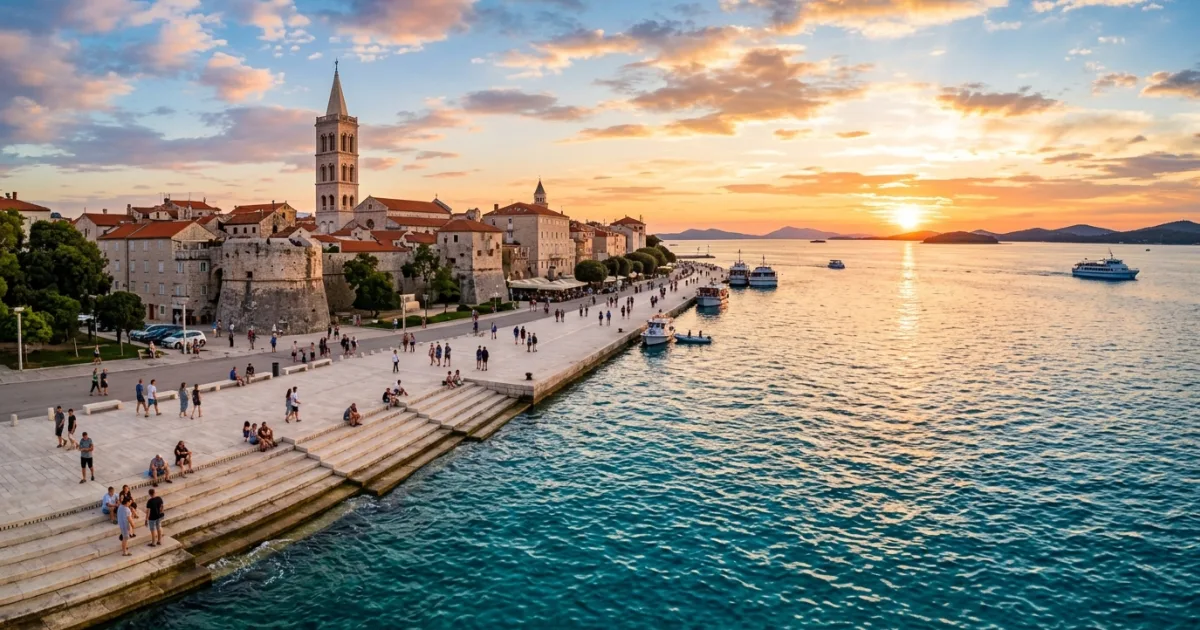
In the contemporary era, Zadar revitalized its post-war waterfront through imaginative urban design. The installation of the Sea Organ and the Monument to the Sun transformed the edge of the peninsula into an open-air amphitheater celebrating nature and light. With its bustling fish market, lively café culture along Kalelarga, and convenient access to four offshore archipelagos, Zadar provides a balanced Mediterranean experience that combines deep archaeological heritage with energetic civic life.
Reasons to Visit
- Witness the hypnotic sounds and light shows of the Sea Organ and the Monument to the Sun.
- Explore authentic Roman Forum ruins and the monumental 9th-century pre-Romanesque Church of St. Donatus.
- Walk atop the UNESCO-inscribed Venetian defensive walls and through the ornate 16th-century Land Gate.
- Take convenient passenger ferries to tranquil Adriatic islands like Ugljan, Pašman, and Dugi Otok.
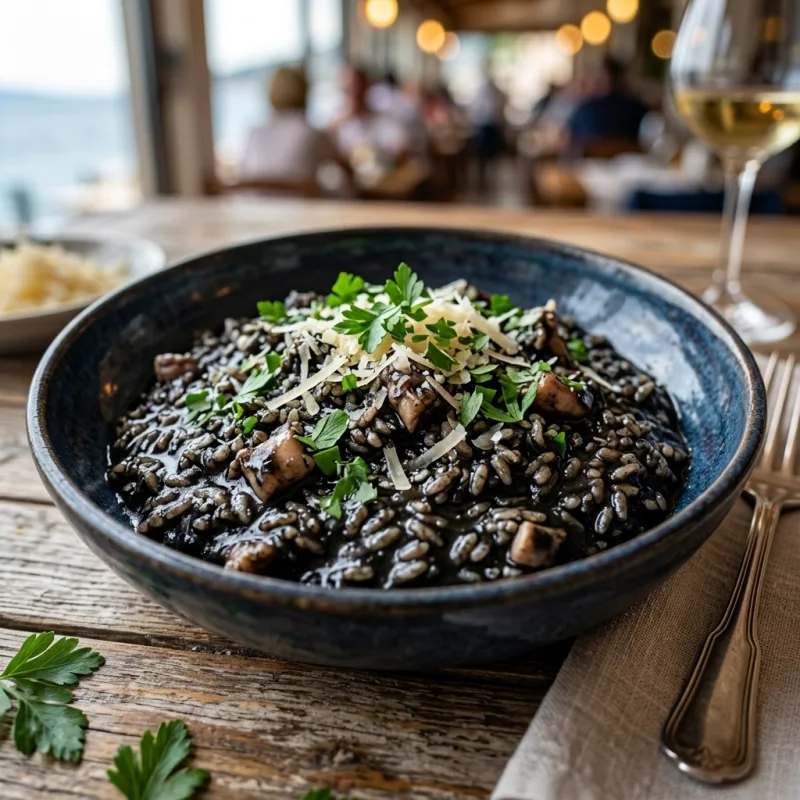
- Sample authentic Dalmatian gastronomy, including fresh cuttlefish risotto, Pag cheese, and Maraschino liqueur.
Things to Avoid
- Avoid wearing slick-soled shoes or high heels on the Old Town marble paving stones, especially when wet.
- Avoid booking expensive private speedboats to nearby islands before checking affordable state-run Jadrolinija ferry timetables.
- Avoid eating exclusively on the main squares; authentic, reasonably priced konobas are hidden in side alleys.
- Avoid arriving at the Sea Organ at the exact minute of sunset if you wish to secure a seated spot on the stone steps.
Local Transportation Tips
Zadar's Old Town is an entirely pedestrian zone where motor vehicles are prohibited. The historic core is easily covered on foot within minutes. To cross from the Old Town peninsula to the modern mainland district, visitors can take the historic Barkajoli rowboat ferry, a tradition operating since the 14th century, costing less than 1 Euro. The city operates a clean and punctual bus network run by Liburnija Zadar, connecting the peninsula to the main bus station (Autobusni kolodvor), suburban beaches such as Borik and Diklo, and Zadar Airport (ZAD). Taxis and ride-hailing apps like Uber and Bolt are readily accessible outside the historic perimeter.
Travel Etiquette
- Dress respectfully when visiting historic churches; ensure shoulders and knees are covered.
- Greet shopkeepers and café staff with a polite 'Dobar dan' before placing orders.
- Tipping in restaurants is customary: rounding up the bill or leaving 10% for good service is standard.
- Do not walk through town centers or historical monuments wearing only swimwear.
Recommended Age Group
Zadar provides engaging activities across diverse demographics thanks to its walkable layout, seaside attractions, and cultural depth.
- Babies (0-2 years): Neutral. The flat pedestrian core is convenient for strollers, but polished cobblestones can cause vibrations, and high summer heat can be taxing.
- Kids (3-12 years): Recommended. Children are fascinated by the musical sounds of the Sea Organ, the illuminated glass panels of the Sun Salutation, and safe swimming spots along the coast.
- Teens (13-19 years): Recommended. Excellent coastal swimming right off the pier, watersports, atmospheric evening hangouts, and proximity to adventure parks like Paklenica.
- Adults (20-64 years): Recommended. Perfect balance of rich Roman and medieval history, sophisticated wine bars, day sails to island archipelagos, and exceptional regional cuisine.
- Seniors (65+ years): Recommended. The historical peninsula is virtually flat with abundant shaded benches, compact walking distances, and calm pedestrian streets.
Accessibility Level: Medium
- The Old Town peninsula is predominantly flat with level paving, making it accessible for manual and power wheelchairs.
- Ramps are installed along sections of the defensive walls and major public avenues like Kalelarga.
- The Sea Organ and Monument to the Sun are located on a flat, wide coastal promenade with step-free access.
- Historic churches like St. Donatus and the bell tower have steps and lack elevators due to historic conservation constraints.
- The town's modern urban buses feature low-floor entry ramps, though checking individual route accessibility in advance is recommended.
Did You Know?
Zadar is the birthplace of Maraschino, a crystal-clear liqueur distilled from native Maraska sour cherries. Developed by Dominican monks in the early 16th century as a medicinal herbal remedy, the spirit became a favorite of European royalty, including Napoleon Bonaparte, Queen Victoria, and Russian Tsar Nicholas I, and cases of it were even recovered from the wreckage of the Titanic.
Cool Statistics
- Features 35 musical pipes embedded in the sea steps that create the Sea Organ.
- Home to a Roman Forum founded in the 1st century BC by Emperor Augustus measuring 90 by 45 meters.
- Surrounded by over 3 kilometers of Venetian defensive walls listed by UNESCO.
- Acts as a gateway to 5 national parks (Kornati, Krka, Plitvice Lakes, Paklenica, and Sjeverni Velebit).






Buy a compatible power adapter for your trip