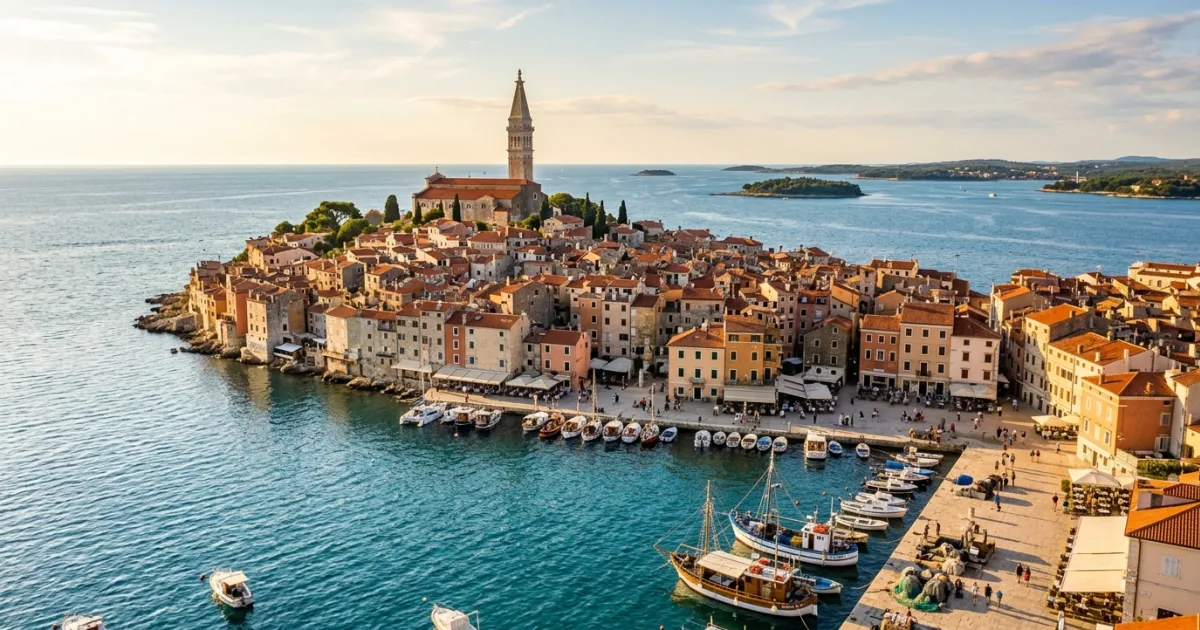
Istria is the largest peninsula in the Adriatic Sea, shared predominantly by Croatia, with minor northern fringes extending into Slovenia and Italy. Defined by its dual geographical personality, 'Blue Istria' traces nearly 540 kilometers of rugged coastline peppered with Venetian bell towers, quiet fishing harbors, and crystal-clear swimming bays. In contrast, 'Green Istria' rises inland into terraced olive orchards, dense oak forests, and fortified medieval towns perched atop dramatic limestone hills. The region has retained a unique cultural autonomy, shaped by centuries under Roman, Venetian, Austrian, and Italian rule, which is evident in its bilingual road signs, architectural motifs, and distinct culinary traditions.
Today, Istria stands out as a sophisticated travel destination that avoids the over-commercialization found in some southern European hotspots. Whether cycling along the converted Parenzana railway line, sampling award-winning olive oils along designated rural tasting roads, or wandering through the UNESCO-listed early Christian mosaics in Poreč, visitors encounter an exceptionally organized and welcoming destination that caters effortlessly to culinary travelers, history lovers, and road trippers alike.
Reasons to Visit
- Exceptional Roman Heritage: Marvel at the remarkably preserved 1st-century Roman amphitheater in Pula, which once hosted gladiator combats and now serves as an open-air concert venue.
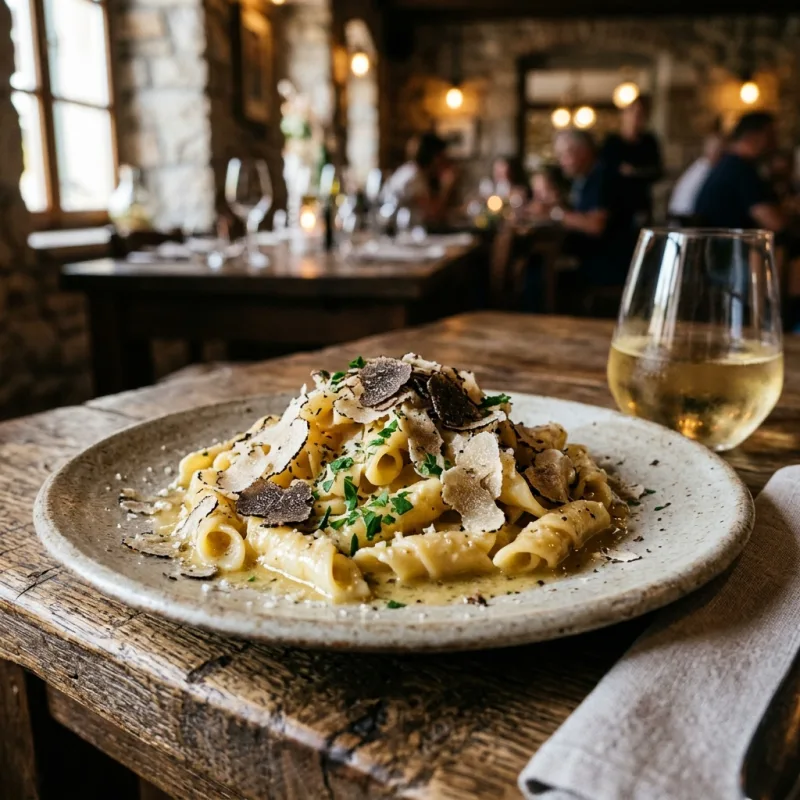
- World-Class Truffles and Wine: Tour family-run estates and forage for black and white truffles in the oak woods around the Mirna River.
- Charming Venetian Coastal Towns: Wander through the cobbled, car-free streets and vibrant art studios of romantic Rovinj.
- The Historic Parenzana Trail: Cycle or hike along a restored narrow-gauge railway trail cutting across historic stone viaducts, tunnels, and olive groves.
- Crystal-Clear Adriatic Waters: Swim, kayak, and snorkel in tranquil bays sheltered by fragrant pine forests along the Premantura Peninsula and Cape Kamenjak.
Things to Avoid
- Avoid attempting to rely exclusively on public buses if your itinerary includes inland medieval towns and boutique olive oil mills.
- Do not swim without water shoes near rocky ledges, as black sea urchins thrive in these pristine, clear waters.
- Avoid eating directly along the main harbor promenades without checking reviews first; higher-quality food is usually found two streets back in local konobas.
- Do not drive into the historic pedestrian centers of towns like Rovinj or Motovun, as restricted zones carry steep automatic fines.
- Avoid peak mid-day travel on the Istrian Ypsilon highway during August weekend changeovers due to heavy border traffic with Slovenia.
Local Transportation Tips
Public transportation in Istria is centered around regional bus networks operated by providers such as Arriva, which provide reliable links between coastal cities like Pula, Rovinj, Poreč, and Umag. However, public bus services to interior hill villages like Grožnjan or Hum are infrequent or non-existent. Renting a car at Pula Airport or city depots remains the most efficient method for touring the peninsula. The regional highway network, known as the 'Istrian Ypsilon' (B8 and A9), is an efficient, well-maintained toll road system accepting cash and credit cards. For cyclists, Istria features hundreds of kilometers of marked gravel and asphalt bike tracks, with e-bike rentals available in almost every major town.
Travel Etiquette
- Language Politeness: While Croatian is the main language, Istria is officially bilingual; greeting locals with standard Croatian or Italian pleasantries is appreciated.
- Dress Codes: Wear shirts and modest attire when leaving the beach; walking through historic town centers in swimwear is strictly prohibited and subject to local municipal fines.
- Tipping: Tipping around 10% for good restaurant service is customary, as service charges are rarely included on the bill.
- Church Etiquette: Ensure shoulders and knees are covered when entering religious landmarks, such as the Euphrasian Basilica in Poreč or the Cathedral of St. Euphemia in Rovinj.
Recommended Age Group
Istria offers activities spanning relaxed beach clubs, historical exploration, and outdoor sports, making it widely suitable across various age brackets.
- Babies (0-2 years): Neutral. Cobblestoned hill towns like Motovun and Rovinj present steep, uneven terrain that is difficult for strollers, though coastal resort promenades are flat and baby-friendly.
- Kids (3-12 years): Recommended. Children enjoy exploring the underground tunnels of Pula's Arena, visiting dinosaur footprints at Cape Kamenjak, and playing at modern coastal water parks like Istralandia and Aquacolors.
- Teens (13-19 years): Recommended. Teens will appreciate active pursuits such as sea kayaking, cliff jumping at Kamenjak, mountain biking the Parenzana trail, and windsurfing.
- Adults (20-64 years): Recommended. Perfect demographic for Istria's celebrated food-and-wine scene, romantic medieval villages, boutique accommodations, and sailing excursions.
- Seniors (65+ years): Recommended. Highly suited for mature travelers interested in slow paced cultural sightseeing, world heritage architecture, easy seaside walks, and high-end gastronomy.
Accessibility Level: Medium
- Coastal promenades in towns like Poreč, Umag, and parts of Pula feature flat, paved walking paths that accommodate wheelchairs and mobility devices.
- Hilltop villages like Motovun, Grožnjan, and Labin have steep gradients, polished uneven cobblestones, and limited vehicle access, creating significant mobility hurdles.
- The Pula Arena has ground-level wheelchair-accessible entry points to view the arena floor, though the underground gladiator galleries require navigating stairs.
- Modern resort complexes and higher-end hotels frequently offer step-free rooms and zero-entry pools, but older historic town center guesthouses often lack elevators.
Did You Know?
Istria is home to Hum, which holds the Guinness World Record as the smallest town in the world, with an official population typically hovering around 30 residents. Additionally, the region is one of the world's most awarded extra virgin olive oil producers, with the Flos Olei global olive oil guide frequently ranking Istria as the top olive oil region on Earth.
Cool Statistics
- 539 Kilometers: The total length of Istria's indented shoreline, complete with islands, bays, and peninsulas.
- Over 2,000 Years Old: The approximate age of the Pula Arena, constructed under the Roman Empire between 27 BC and 68 AD.
- 131 Kilometers: The length of the historic Parenzana railway route that once connected Trieste to Poreč, now a famous multi-use trail.
- Top 1 Global Producer: Frequently named the world's best olive oil region by the prestigious Flos Olei guide.






Buy a compatible power adapter for your trip