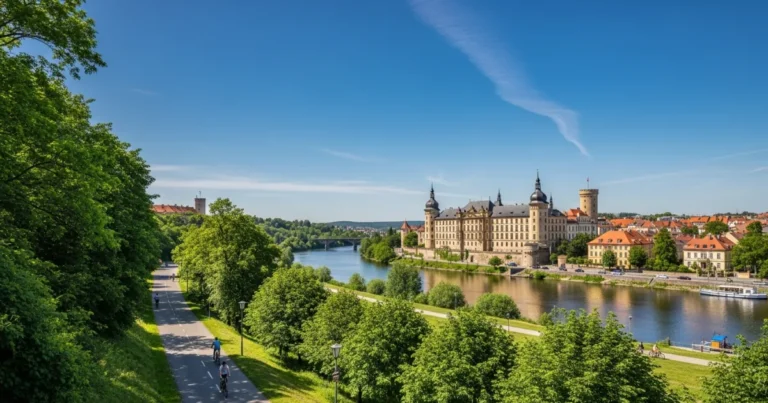
The Central Bohemian Region, or Středočeský kraj, is the largest region in the Czech Republic, completely encircling the capital city of Prague. This strategic location makes it an incredibly accessible and popular destination for both day-trippers and those seeking a deeper dive into Czech history and nature beyond the capital. The region is characterized by its diverse topography, ranging from fertile lowlands along the Elbe and Vltava rivers to the picturesque hills and forests of the Brdy and Křivoklátsko Protected Landscape Areas. Its rich historical legacy is evident in the numerous castles, chateaux, and medieval towns that dot the landscape, each telling a story of Bohemia's past.
Beyond its historical treasures, the Central Bohemian Region offers a wealth of opportunities for outdoor enthusiasts. The extensive network of hiking and cycling trails invites exploration of its natural beauty, from serene river valleys to ancient forests. Water sports are popular on its rivers and lakes, while local villages and towns provide a glimpse into traditional Czech life and hospitality. The region is also known for its agricultural produce, including hops and wine, contributing to a vibrant local culinary scene. Whether you're seeking cultural immersion, active adventure, or simply a peaceful retreat, Central Bohemia provides a fulfilling and authentic Czech experience.
Reasons to Visit
- Historical Grandeur: Explore iconic castles like Karlštejn and Konopiště, and the UNESCO-listed Kutná Hora with its unique Sedlec Ossuary.
- Natural Beauty: Discover diverse landscapes, from river valleys to protected forests, perfect for hiking, cycling, and relaxation.
- Proximity to Prague: Easily accessible for day trips or extended stays, offering a perfect complement to a Prague itinerary.
- Authentic Czech Experience: Immerse yourself in local culture, traditional cuisine, and charming towns away from the capital's busiest tourist spots.
- Variety of Activities: From historical tours and museum visits to outdoor adventures and local festivals, there's something for every interest.
Things to Avoid
- Underestimating Travel Times: While close to Prague, some sites require specific train or bus connections, so plan your routes carefully.
- Ignoring Local Customs: Always greet shopkeepers, say please and thank you, and be respectful in religious sites.
- Only Visiting Major Sites: While Karlštejn and Kutná Hora are must-sees, explore smaller towns and natural areas for a more authentic experience.
- Not Carrying Cash: Smaller shops, markets, or rural eateries might not accept cards.
- Driving in Prague (if based there): Traffic and parking can be challenging; use public transport for the capital and rent a car for regional exploration if preferred.
Local Transportation Tips
Public transportation in the Central Bohemian Region is well-developed, primarily consisting of an extensive network of trains and buses connecting towns and villages. Trains are efficient for longer distances between major towns, while buses serve more local routes. Integrated transport systems, such as PID (Prague Integrated Transport), often cover parts of the region, allowing seamless travel from Prague with a single ticket. For exploring rural areas or multiple sites in a day, renting a car offers the most flexibility, though parking can be limited in some historical town centers. Cycling is also a popular way to get around, with numerous dedicated bike paths.
Travel Etiquette
- Greetings: Always use "Dobrý den" (Good day) when entering shops or restaurants.
- Tipping: Tipping around 10% is customary in restaurants if the service is good.
- Punctuality: Czechs value punctuality, especially for appointments or tours.
- Respect for History: Be mindful and respectful when visiting historical sites, churches, and memorials.
- Personal Space: While not overly reserved, respect personal space in public areas.
Recommended Age Group
The Central Bohemian Region offers a diverse range of attractions and activities, making it suitable for almost all age groups, with specific considerations for each.
- Babies (0-2 years): Neutral. While the region offers beautiful scenery and some family-friendly accommodations, extensive sightseeing involving historical sites with stairs or uneven terrain might be challenging with strollers. Car travel is recommended for flexibility.
- Kids (3-12 years): Recommended. Children will enjoy exploring castles, open-air museums, and natural parks. Many towns have playgrounds, and activities like boat rides or easy hikes can be engaging. The Sedlec Ossuary might be too intense for very young or sensitive children.
- Teens (13-19 years): Recommended. Teens will appreciate the historical depth of castles and medieval towns, opportunities for outdoor adventures like cycling or kayaking, and the chance to explore unique sites like the Sedlec Ossuary.
- Adults (20-64 years): Recommended. This age group will find a wealth of cultural, historical, and outdoor activities, from wine tasting and brewery tours to extensive hiking and exploring charming towns. The region caters well to independent travelers and couples.
- Seniors (65+ years): Recommended. Many historical sites offer accessible routes, and guided tours can provide comfortable exploration. The serene landscapes and cultural richness are highly appealing. Some sites may have stairs, so checking accessibility beforehand is advisable.
Accessibility Level: Medium
- Many historical sites, especially castles, may have uneven cobblestone paths, stairs, and limited ramp access, which can be challenging for wheelchair users or those with mobility issues.
- Public transportation (trains and buses) varies in accessibility; newer vehicles are generally more accessible, but older ones may not be.
- Larger towns and tourist centers often have more accessible facilities, including restrooms and wider pavements.
- It is advisable to contact specific attractions or accommodations in advance to inquire about their accessibility features.
- Car travel offers the most flexibility for those with mobility concerns, allowing direct access to many sites, though parking can sometimes be a walk from the entrance.
Did You Know?
The Central Bohemian Region is home to the largest castle complex in the Czech Republic, Karlštejn Castle, which was founded by Emperor Charles IV in the 14th century to safeguard the imperial crown jewels and holy relics. It's also where the famous Sedlec Ossuary, or "Bone Church," is located, decorated with the skeletons of an estimated 40,000 to 70,000 people. The region's landscape has inspired many Czech artists and writers, reflecting its deep cultural significance.
Cool Statistics
- The Central Bohemian Region covers an area of 11,015 km², making it the largest region in the Czech Republic.
- It completely surrounds the capital city of Prague, but Prague itself is not administratively part of the region.
- Kutná Hora, a UNESCO World Heritage site in the region, was once a major silver-mining town, rivaling Prague in wealth and importance during the Middle Ages.
- The region boasts over 200 castles and chateaux, offering a rich tapestry of historical architecture.
- Approximately 1.4 million people reside in the Central Bohemian Region.






Buy a compatible power adapter for your trip