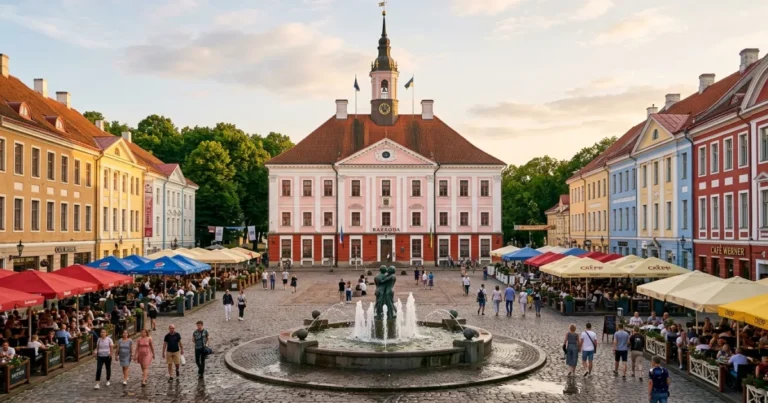
Southern Estonia stands as the cultural soul and ecological heart of the nation. Unlike the flatter coastal plains of northern Estonia, this southern sector is defined by undulating moraine landscapes formed by retreating glaciers, creating rolling hills around Haanja and hundreds of hidden kettle lakes. It is anchored intellectually and culturally by Tartu, Estonia's oldest city and acclaimed university center, where neo-classical riverside architecture meets cutting-edge contemporary culture at the Estonian National Museum (ERM).
Venture beyond the university squares, and the rhythm of life slows gracefully. In Võrumaa, ancestral practices thrive around the smoke sauna ritual—a sacred space of purification, storytelling, and physical renewal. Further east, along the tranquil shores of Lake Peipus, religious Old Believers preserve centuries-old gardening techniques, harvesting sweet braided onions and fresh lake fish. With extensive network boardwalks crisscrossing ancient peat bogs in Meenikunno and Karula, Southern Estonia offers one of Europe's purest destinations for mindful exploration, forest wellness, and deep culinary roots.
Reasons to Visit
- UNESCO Smoke Sauna Culture: Experience the transformative, age-old heat, whisking (vihtlemine), and forest immersion in Võromaa.
- Estonian National Museum (ERM): Marvel at the architectural marvel built on an old Soviet runway, housing world-class Finno-Ugric anthropological collections.
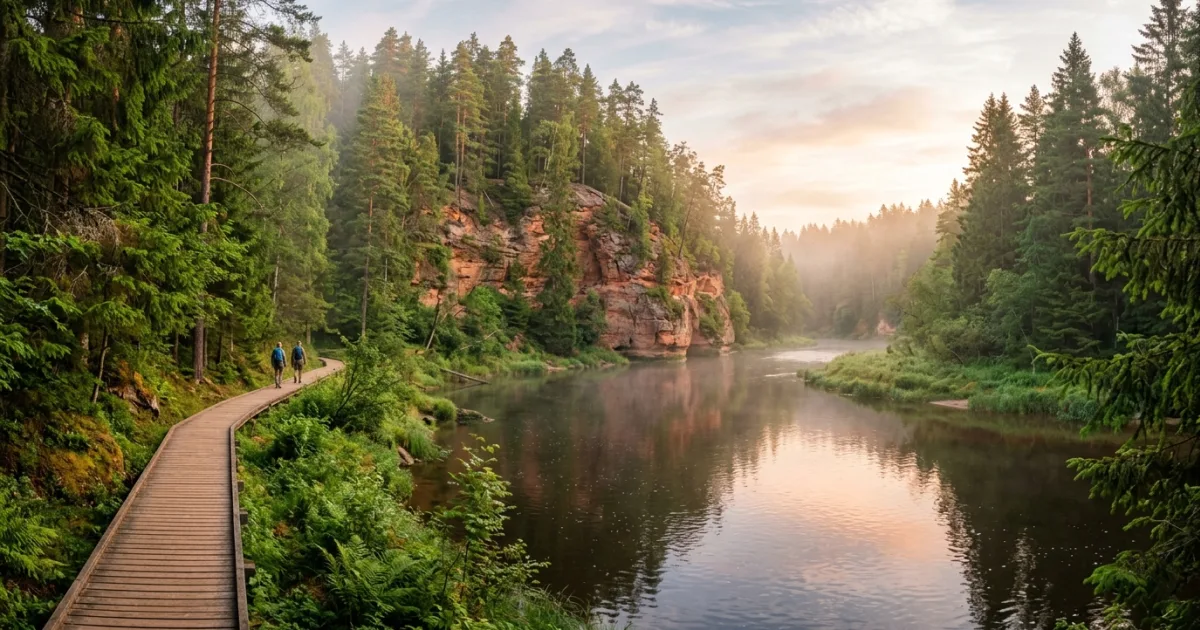
- Sandstone Bluffs of Taevaskoja: Walk along the pristine Ahja River framed by towering Devonian sandstone outcrops and spruce forests.
- The Onion Route & Old Believers: Explore quiet lakeside villages along Lake Peipus known for samovar tea traditions, chicory coffee, and braided onions.
- Untamed Bog Boarding: Trek across peat bogs at Meenikunno and Valgesoo with birdwatching towers and midnight-sun viewpoints.
Things to Avoid
- Do not step off marked wooden paths onto sensitive bog ecosystems, as centuries of delicate peat moss can be permanently damaged.
- Avoid rushing between towns; Southern Estonia's quiet backroads and heritage villages demand a measured, contemplative pace.
- Do not skip sauna etiquette: wash thoroughly before entering, use a sitting towel, and respect the quiet, contemplative atmosphere of the steam room.
- Avoid visiting the rural Onion Route villages on Mondays or off-season winter weekdays without checking restaurant and museum opening times.
Local Transportation Tips
Train connections run swiftly and comfortably between Tallinn and Tartu or Viljandi via Elron passenger trains equipped with free Wi-Fi and power outlets. Regional bus lines operated by Lux Express and local transit networks connect Tartu to Võru, Otepää, and Põlva. However, to discover hidden manor houses, remote smoke saunas, and hiking trailheads throughout Karula National Park and Lake Peipus, renting a private passenger vehicle is the most efficient and liberating choice.
Travel Etiquette
- Remove shoes when entering private homes, boutique rural guesthouses, and designated traditional indoor areas.
- Embrace personal space and quiet; Estonians value calm demeanor, low speaking volumes, and peaceful co-existence in public spaces.
- In saunas, nudity is traditional and non-sexualized; bring a clean cotton towel to sit on and always ask permission before pouring water on hot sauna stones (leil).
- When foraging wild mushrooms or berries in public RMK forests, follow 'Everyman's Right' principles: harvest only what you need and leave zero trace behind.
Recommended Age Group
Southern Estonia offers accessible outdoor adventures and cultural wonder suited for almost every generation, with distinct advantages for specific life stages.
- Babies (0-2 years): Neutral. While forest boardwalks are stroller-friendly in some RMK parks, rural backroads and historic wooden manor stairs can present minor mobility hurdles.
- Kids (3-12 years): Recommended. Hands-on discovery shines at the AHHAA Science Centre and Toy Museum in Tartu, alongside safe lake beaches and canopy adventure parks.
- Teens (13-19 years): Recommended. Excellent canoeing, wakeboarding at Otepää, high-ropes courses, and Tartu's vibrant student café and gaming scenes hold strong appeal.
- Adults (20-64 years): Recommended. Perfect match for craft beer aficionados, hikers, wellness seekers, romantic getaways, and authentic smoke sauna immersion.
- Seniors (65+ years): Recommended. Level bog boardwalks, peaceful scenic drives, rich museum exhibits, and restorative countryside manor spa hotels provide exceptional leisure.
Accessibility Level: Medium
- The Estonian National Museum in Tartu features world-standard barrier-free access with level entryways, tactile exhibits, wide elevators, and accessible restrooms.
- Select RMK bog trails, including sections of Meenikunno and Valgesoo, offer widened wooden boardwalks and wheelchair-accessible viewing platforms.
- Modern Elron trains connecting to Tartu feature roll-on low floors, dedicated wheelchair spaces, and accessible boarding ramps.
- Historic cobblestone pathways in Tartu Old Town and rural heritage smoke sauna cabins can present uneven footing and step barriers.
Did You Know?
Estonia’s highest natural summit, Suur Munamägi ('Great Egg Hill'), is located in Southern Estonia; while reaching an elevation of only 318 meters (1,043 feet) above sea level, its observation tower provides sweeping panoramic views over thousands of square kilometers of untouched Baltic forest canopy.
Cool Statistics
- Over 50% of Southern Estonia's land area is covered by dense mixed pine, birch, and spruce forest.
- Lake Peipus, forming the region's eastern border, is the fifth-largest lake in all of Europe.
- The UNESCO-inscribed smoke sauna ritual in Võromaa takes up to 8 hours just to heat the stones properly before bathers enter.







Buy a compatible power adapter for your trip