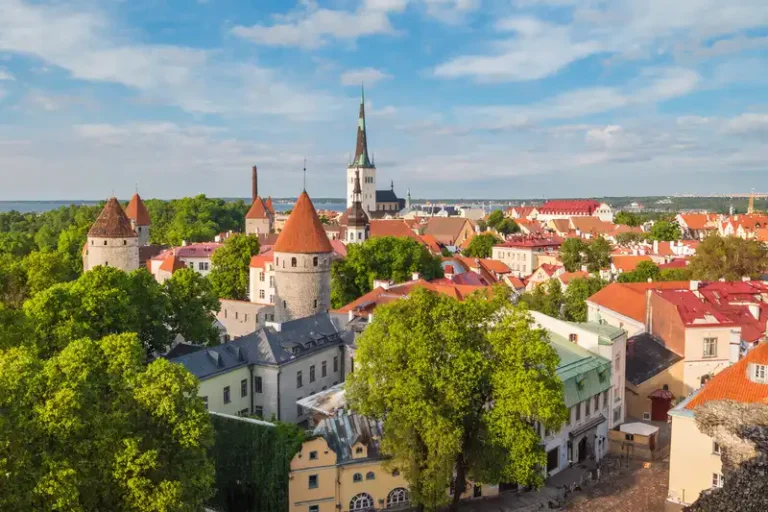
Estonia is a country of contrasts, where ancient traditions meet a highly advanced digital society. Situated on the eastern shores of the Baltic Sea, it offers a unique blend of Nordic, Baltic, and Eastern European influences. The capital, Tallinn, is famous for its exceptionally intact medieval Old Town, complete with cobblestone streets, gothic spires, and historic city walls. Yet, just outside these ancient walls lies a modern, tech-savvy metropolis that birthed companies like Skype and Wise.
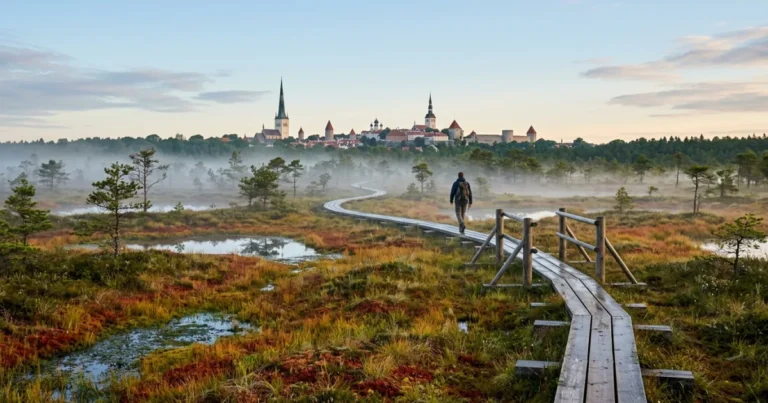
Nature is an integral part of the Estonian identity. With a population of just over 1.3 million spread across a country larger than Denmark, there is an abundance of space and tranquility. Over 50% of the land is forested, and the country is dotted with thousands of lakes, rivers, and unique peat bogs. Exploring these bogs via wooden boardwalks, especially at sunrise, is a quintessential Estonian experience. The coastline is equally impressive, featuring over 2,000 islands, with Saaremaa and Hiiumaa being the largest, offering a glimpse into a slower, more traditional way of life.
Reasons to Visit
- Medieval Architecture: Tallinn's Old Town is one of the best-preserved Hanseatic city centers in the world.
- Pristine Nature: Experience the unique landscapes of Estonian bogs, dense forests, and national parks like Lahemaa and Soomaa.
- Digital Nomad Paradise: Enjoy seamless connectivity, widespread free Wi-Fi, and a welcoming environment for remote workers.
- Sauna Culture: Immerse yourself in the UNESCO-listed smoke sauna tradition in Võromaa.
- Island Hopping: Discover the untouched beauty, lighthouses, and windmills of Estonia's 2,000+ islands.
Things to Avoid
- Ignoring Reflectors in Winter: It is legally required to wear a small safety reflector on your clothing when walking outside in the dark during winter months.
- Sticking Only to Tallinn: While the capital is beautiful, missing out on the countryside, bogs, and islands means missing the true heart of Estonia.
- Loud Behavior: Estonians generally value personal space and quietness; being overly loud in public spaces can be frowned upon.
- Assuming It's Eastern Europe: Estonians identify strongly with Nordic and Baltic culture; referring to the country as a former Soviet state rather than a modern Nordic-leaning nation can be a faux pas.
Local Transportation Tips
Estonia has a highly efficient and affordable public transportation network. In Tallinn, buses, trams, and trolleybuses connect all major districts, and tickets can be easily purchased by tapping a contactless bank card on the validators inside the vehicles. For intercity travel, modern and comfortable trains operated by Elron connect major towns like Tartu, Narva, and Viljandi. The Lux Express bus network is another excellent option for traveling between cities, offering spacious seating and free Wi-Fi. To reach the islands, regular ferries operate from the mainland, and renting a car is highly recommended for exploring the rural countryside and national parks at your own pace.
Travel Etiquette
- Greetings: A firm handshake with eye contact is the standard greeting. Estonians are generally reserved, so avoid overly enthusiastic physical contact unless you know the person well.
- Punctuality: Being on time is highly valued in both social and business settings.
- Shoes Off Indoors: It is customary to take your shoes off when entering someone's home.
- Tipping: Tipping is not strictly mandatory but leaving 10% for good service in restaurants is appreciated.
- Sauna Etiquette: Nudity is common in traditional saunas, especially among people of the same gender, but always follow the lead of your hosts or the specific spa rules.
Recommended Age Group
Estonia is a versatile destination that caters to a wide range of travelers, offering everything from interactive museums for children to serene nature retreats for adults and seniors.
- Babies (0-2 years): Neutral. While the country is very safe and modern facilities are everywhere, the cobblestone streets of Tallinn's Old Town can be challenging to navigate with a standard stroller.
- Kids (3-12 years): Recommended. Children will love the interactive Seaplane Harbour museum, the expansive outdoor Estonian Open Air Museum, and the numerous adventure parks and nature trails.
- Teens (13-19 years): Recommended. The ubiquitous high-speed internet, engaging history, and outdoor activities like bog-shoeing and cycling make it an exciting destination for teenagers.
- Adults (20-64 years): Recommended. Perfect for digital nomads, history enthusiasts, and nature lovers seeking a balanced mix of vibrant city culture and peaceful wilderness.
- Seniors (65+ years): Recommended. Excellent infrastructure, high safety standards, accessible public transport, and world-class spa towns like Pärnu make it highly suitable for older travelers.
Accessibility Level: Medium
- Public Transport: Most modern buses and trams in Tallinn are low-floor and wheelchair accessible.
- Attractions: Many major museums, such as the Kumu Art Museum and Seaplane Harbour, are fully accessible with ramps and elevators.
- Old Town Challenges: The medieval Old Town in Tallinn features steep hills and uneven cobblestones, which can be difficult for wheelchair users or those with limited mobility.
- Nature Trails: Several national parks offer specially designed wooden boardwalks that are wide and flat enough to accommodate wheelchairs and strollers.
Did You Know?
Estonia was the first country in the world to adopt online voting for its general elections in 2005. Today, nearly all government services, from declaring taxes to signing legal documents, can be done entirely online, reflecting its status as one of the most advanced digital societies on the planet.
Cool Statistics
- Over 50% of Estonia's land area is covered by forest.
- Estonia has over 2,222 islands and islets in the Baltic Sea.
- The country has one of the highest numbers of startups per capita in Europe.
- Estonia's literacy rate is among the highest in the world, at 99.8%.
- The Kaali meteorite crater field on Saaremaa island is one of the most recent impact sites on Earth, occurring around 3,500 years ago.








Buy a compatible power adapter for your trip