Pärnu has served as a sanctuary for rest and recuperation since 1838, when its first coastal bathing establishment opened its doors. Situated on the mouth of the Pärnu River where it meets the shallow waters of the Gulf of Riga, this historic seaside town marries centuries of maritime trade with Nordic wellness culture. During the Russian Empire, nobility frequented the therapeutic mud baths, establishing a tradition that evolved through Estonia's first republic into an architectural showcase of Nordic Functionalism, typified by the pristine white curves of Olev Siinmaa's 1937 Rannahotell.
Today, Pärnu balances dual identities: in the warm summer months of July and August, it bursts into a lively resort filled with beach volleyball tournaments, outdoor music festivals, and open-air cocktail terraces. As autumn arrives, the pace slows, giving way to serene seaside walking paths, mist-shrouded coastal meadows, and unhurried spa experiences. Its compact scale allows travelers to wander between historic Swedish bastions, tranquil riverbanks, and pine-fringed coastal dunes in a single afternoon.
Reasons to Visit
- Expansive Sandy Beach: A broad, fine-sand coastline featuring shallow, calm waters ideal for leisurely swimming, paddleboarding, and family beach days.
- Historic Spa Culture: World-renowned wellness centers offering therapeutic Estonian peat and sea mud body wraps, thermal saunas, and contemporary hydrotherapy.
- Nordic Architecture: An enchanting mix of colorful 19th-century wooden summer villas, Swedish Baroque ramparts, and iconic 1930s Functionalist beach structures.
- Gateway to Nature: Close proximity to Soomaa National Park, known for wilderness bog-shoeing, pristine peat bogs, and the seasonal 'fifth season' floods.
- Vibrant Summer Cafe Scene: Supeluse Street transforms into a pedestrian-filled avenue lined with independent specialty coffee roasters, art terraces, and craft bakeries.
Things to Avoid
- Avoid walking onto the Pärnu stone breakwater (Muul) during stormy or windy conditions, as Baltic waves can suddenly wash over the uneven stones.
- Do not expect a bustling nightlife outside the June to August window; during late autumn and winter, Pärnu shifts entirely into a quiet, meditative wellness retreat.
- Avoid driving into the beach district during peak July weekends without verifying parking zones, as parking fees are strictly monitored via mobile cameras.
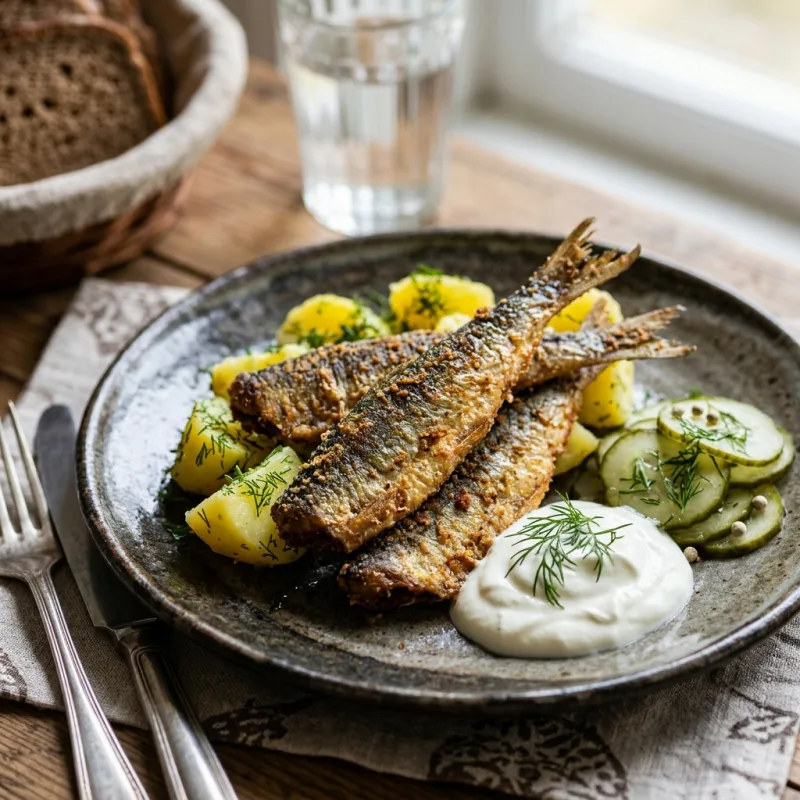
- Do not skip sampling local smoked fish from the central market in favor of only dining along tourist-heavy resort strips.
Local Transportation Tips
Pärnu is exceptionally flat and pedestrian-friendly, meaning walking and cycling are the best methods of transport. Modern asphalt bicycle lanes link the Old Town, riverfront promenades, and the beach district; bike rentals are widely available across town for roughly 12 to 18 Euros per day. For longer connections, Pärnu operates a modern municipal bus network with contactless card readers on board (a single tap fare costs 1.50 Euros). Bolt rideshare operates reliably across the municipality with typical short-ride fares ranging between 4 and 8 Euros.
Travel Etiquette
- Sauna Culture: Always sit on a clean linen towel inside saunas and wash thoroughly before entering communal pools or mineral thermal baths.
- Pedestrian Right-of-Way: Pärnu drivers reliably yield to pedestrians at crosswalks; step out with confidence but adhere strictly to marked crossings.
- Tipping: Tipping is appreciated but not mandatory in Estonia; rounding up the bill or leaving 5% to 10% for exceptional dining service is standard practice.
- Quiet Preservation: Estonians value personal space and quiet public environments; maintain moderate speaking volumes in cafes, parks, and on public transit.
Recommended Age Group
Pärnu provides a welcoming, versatile environment catering to all generations thanks to its gentle geography and comprehensive facilities:
- Babies (0-2 years): Recommended. The flat terrain, extensive paved boardwalks, smooth beach paths, and calm coastal parks offer effortless stroller navigation.
- Kids (3-12 years): Recommended. Extremely safe, shallow coastal waters that stay knee-deep for dozens of meters out, combined with large beachfront adventure playgrounds and the Tervise Paradiis indoor water park.
- Teens (13-19 years): Recommended. Stand-up paddleboarding, windsurfing schools, seaside bicycle cruising, and high-energy beach sports during midsummer provide plenty of activity.
- Adults (20-64 years): Recommended. Premium Nordic spa resorts, contemporary dining, sunset beach bars, and scenic cycling routes create an exceptional leisure getaway.
- Seniors (65+ years): Recommended. Renowned sanatoriums with medical-grade thermal mud therapies, barrier-free park benches, clean sea air, and peaceful, flat walking loops.
Accessibility Level: Medium
- Pärnu Beach features wooden accessibility boardwalk ramps leading directly across the sand, allowing wheelchair and stroller access close to the water's edge.
- The town is virtually devoid of steep hills, featuring curb cuts and flat sidewalk transitions throughout the historic center and beach park.
- Modern city buses operating throughout Pärnu are 100% low-floor vehicles equipped with folding wheelchair ramps and priority seating bays.
- Major spa resorts, including Hedon Spa and Estonia Resort Hotel & Spa, provide step-free elevator access and dedicated accessible treatment rooms.
Did You Know?
Pärnu played a foundational role in modern Estonian independence. On February 23, 1918, the Estonian Declaration of Independence ('Manifesto to the Peoples of Estonia') was read publicly for the very first time from the balcony of the Endla Theatre in Pärnu, one day before it was proclaimed in the capital city of Tallinn.
Cool Statistics
- 2 Kilometers: The exact length of the historic granite boulder breakwater (Muul) stretching out into Pärnu Bay.
- 1838: The year Pärnu established its first official sea bathing clinic, marking over 185 years of therapeutic spa traditions.
- 19 Hours: The duration of midsummer daylight during the June solstice in Western Estonia.
- 24°C: Peak summer water temperature recorded in Pärnu's shallow sheltered bay, making it the warmest sea swimming in Estonia.






Buy a compatible power adapter for your trip