Corse-du-Sud encompasses some of the Mediterranean's most visually dramatic landscapes, stretching from the Gulf of Porto and Ajaccio in the west to the southern tip at Bonifacio and the Gulf of Santa Manza. The territory is defined by its intense geographical variation: white limestone bluffs eroded by crashing waves, pink granite sea needles, dense forests of Laricio pine, and fragrant maquis hillsides. Historically governed by Genoa before joining France in the 18th century, the region preserves a fierce independent spirit evident in its local music, polyphonic singing, and bilingual street signs.
Travelers flock to southern Corsica for its balanced repertoire of activities. Outdoors enthusiasts tackle the demanding granite spires of the Col de Bavella or canyon through crystal-clear pools in the Solenzara valley. Cultural explorers can walk the historic ramparts of Bonifacio's medieval Haute Ville, visit Napoleon's ancestral home Maison Bonaparte in Ajaccio, or discover Bronze Age stone statues at Filitosa. Coupled with world-class beach destinations like Santa Giulia and Porto-Vecchio, the region is a quintessential blend of coastal leisure and rugged alpine adventure.
Reasons to Visit
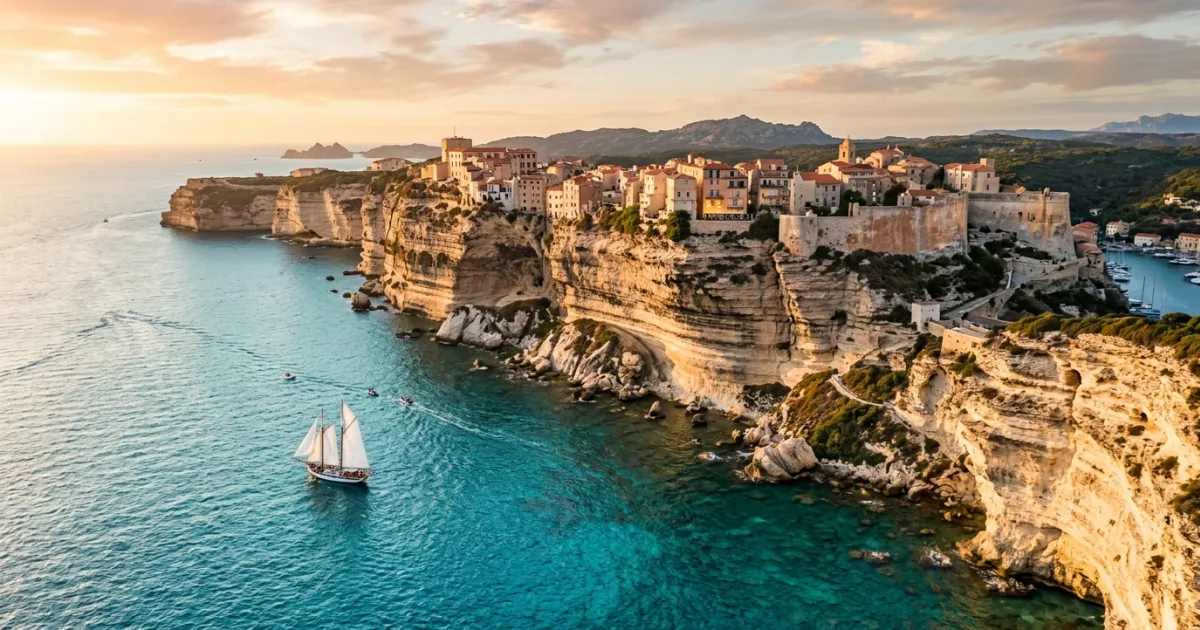
- Cliffs of Bonifacio: Marvel at the medieval citadel perched dramatically over sheer, undercut chalk-white cliffs plunging 70 meters into turquoise waters.
- World-Class Beaches: Swim in transparent waters rimmed by umbrella pines and red granite boulders at Palombaggia, Santa Giulia, and Roccapina.
- Aiguilles de Bavella: Hike beneath majestic granite pinnacles that offer panoramic views connecting mountain passes to the sea.
- Ajaccio's Imperial History: Tour the childhood home of Napoleon Bonaparte and explore vibrant food markets along the city port.
- Filitosa Prehistoric Site: Inspect mysterious carved granite menhirs dating back 8,000 years nestled within an ancient olive grove.
Things to Avoid
- Avoid attempting to rush itineraries; mountain roads are very twisty and driving times take twice as long as mainland highway kilometers suggest.
- Do not wild camp or ignite open fires; summer fire hazards in the dry maquis are severe and heavily penalized by local forestry police.
- Avoid parking outside marked stalls at popular beaches; towing and fines are aggressively enforced during peak season.
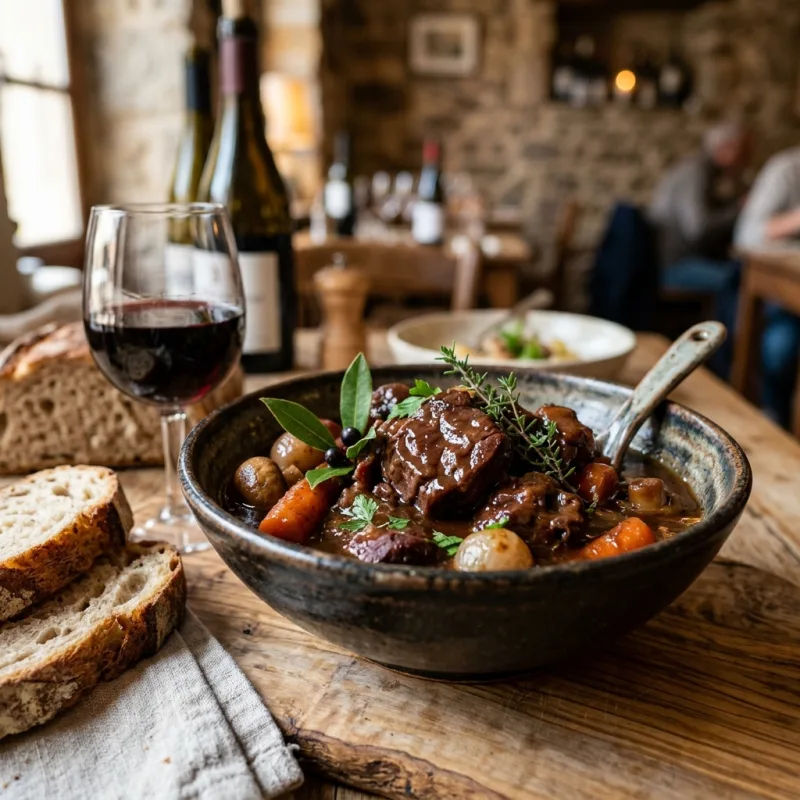
- Do not purchase mass-produced mainland cured meats labeled dishonestly as authentic Corsican; verify the AOP label on charcuterie.
Local Transportation Tips
Personal vehicle transport is almost mandatory to experience the breadth of Corse-du-Sud. Car rental desks operate at both Ajaccio (AJA) and Figari (FSC) airports, as well as the ferry ports. The CFC (Chemins de Fer de la Corse) operates a scenic narrow-gauge railway connecting Ajaccio northward through Corte toward Bastia, but it does not serve the southern perimeter like Bonifacio or Porto-Vecchio. Regional buses run limited schedules between main towns, so a rental car or motorbike affords maximum flexibility for reaching remote coves and trailheads.
Travel Etiquette
- Greet shopkeepers, waitstaff, and bus drivers with a polite 'Bonjour' upon entering and 'Au revoir' upon leaving.
- Do not display overt political opinions regarding island nationalism or local autonomy; maintain neutral respect for local culture.
- Dress appropriately when leaving the beach; walking shirtless or in swimwear through town centers and churches is considered disrespectful and often prohibited by local ordinances.
- Refrain from haggling at municipal produce and craft markets, as prices are fixed and reflect artisanal labor.
Recommended Age Group
Corse-du-Sud appeals to multiple age brackets, particularly active holidaymakers and nature-focused travelers.
- Babies (0-2 years): Neutral. Rocky beaches, high summer heat, and winding roads can challenge stroller mobility and routines.
- Kids (3-12 years): Recommended. Calm, shallow bays like Santa Giulia and intriguing fortresses like Bonifacio offer excellent family outings.
- Teens (13-19 years): Recommended. Fantastic for teenagers interested in sea kayaking, cliff jumping, stand-up paddleboarding, and canyoning.
- Adults (20-64 years): Recommended. Perfect balance of outdoor sports, wine tasting, scenic driving routes, and fine coastal dining.
- Seniors (65+ years): Recommended. Highly rewarding for culture, coastal cruising, and history, though steep citadel stairs require reasonable mobility.
Accessibility Level: Medium
- Citadels in Bonifacio and Ajaccio feature steep inclines and uneven historic cobblestones that present difficulties for manual wheelchairs.
- Select southern beaches such as Santa Giulia have seasonal accessibility mats and Tiralo floating beach wheelchairs managed by lifeguards in peak months.
- Ajaccio and Figari airports offer standardized European PRM assistance services when booked 48 hours in advance.
- Modern car ferry operators (Corsica Ferries, Corsica Linea) feature accessible elevator cabins and vehicle deck assistance.
Did You Know?
The medieval King of Aragon's Stairway (Escalier du Roi d'Aragon) carved directly into the sheer limestone cliff face of Bonifacio features 187 steep steps cut at a dizzying 45-degree angle above the Mediterranean sea.
Cool Statistics
- Over 1,000 kilometers of protected coastline surround the broader perimeter of southern Corsica.
- The Bouches de Bonifacio Marine Reserve spans roughly 80,000 hectares, making it the largest nature reserve in metropolitan France.
- Granite peaks within the Bavella massif reach elevations exceeding 1,800 meters within just 30 kilometers of the coastline.






Buy a compatible power adapter for your trip