Disclosure: This site contains affiliate links. We may earn a commission if you make a purchase, at no extra cost to you.

>
>
>
Corsica
Historic town of Bonifacio perched on white limestone cliffs above the Mediterranean Sea in Corsica

Corsica Overview & Key Highlights

Corsica is a mountainous Mediterranean island located southeast of the French mainland and west of the Italian Peninsula. Known as the "Isle of Beauty," it features diverse landscapes ranging from dense forests and craggy peaks to pristine beaches and coastal towns. Visitors can explore the historic citadel of Bonifacio, hike the challenging GR20 trail, or relax on the white sands of Palombaggia. The island's unique blend of French and Italian cultural influences is evident in its distinct language, rich culinary traditions, and fiercely independent spirit. Whether navigating the winding coastal roads of Cap Corse or delving into the birthplace of Napoleon Bonaparte in Ajaccio, travelers are rewarded with breathtaking vistas and deep historical roots at every turn.

Corsica Travel Guide: Logistics & In-Depth Tips

Corsica offers a striking contrast of landscapes, earning its reputation as a 'mountain in the sea.' The island's interior is dominated by a jagged spine of granite peaks, dense pine forests, and deep gorges, making it a premier destination for outdoor enthusiasts. The coastline, stretching over 1,000 kilometers, is dotted with hidden coves, dramatic limestone cliffs, and some of the most pristine beaches in the Mediterranean.

Beyond its natural beauty, Corsica boasts a rich and complex history. From the prehistoric standing stones of Filitosa to the Genoese watchtowers that guard the coast, the island's past is ever-present. Visitors can wander the narrow, cobbled streets of ancient citadels in Calvi and Bonifacio, or explore Ajaccio, the elegant capital city where Napoleon Bonaparte was born. The local culture is fiercely preserved, evident in the polyphonic singing that echoes through village churches and the traditional crafts still practiced by local artisans.

Reasons to Visit

  • Stunning, diverse landscapes ranging from alpine mountains to white-sand beaches.
  • World-class hiking, including the legendary GR20 and numerous coastal trails.
  • Rich culinary heritage featuring unique charcuterie, cheeses, and wines.
  • Fascinating historical sites, including Genoese citadels and prehistoric ruins.
  • Crystal-clear waters ideal for snorkeling, diving, and sailing.

Things to Avoid

  • Avoid driving in the dark on narrow mountain roads, as they lack guardrails and lighting.
  • Do not underestimate the summer heat; avoid strenuous hikes during midday.
  • Avoid relying solely on public transportation, as schedules are sparse and routes are limited.
  • Do not expect fast-paced service in restaurants; dining is a slow, relaxed affair.

Local Transportation Tips

While Corsica does have a narrow-gauge railway (the 'Trinichellu') that offers incredibly scenic routes between Ajaccio, Bastia, and Calvi, it is slow and does not cover the whole island. Buses connect major towns but run infrequently. Renting a car or a motorcycle is by far the best way to explore Corsica, offering the freedom to reach secluded beaches and mountain passes. Be prepared for winding, narrow roads that require confident driving.

Travel Etiquette

  • Greet shopkeepers and restaurant staff with a polite 'Bonjour' upon entering.
  • Dress modestly when visiting churches and religious sites.
  • Respect the local environment; do not leave trash on beaches or hiking trails.
  • Understand that Corsicans are proud of their distinct identity; avoid referring to them simply as 'French' in a cultural context.

Recommended Age Group

Corsica's diverse offerings make it suitable for various age groups, though its rugged terrain requires some consideration.

  • Babies (0-2 years): Neutral. While beach resorts are accommodating, the winding roads can cause motion sickness, and the summer heat can be intense for infants.
  • Kids (3-12 years): Recommended. Children will love the calm, shallow waters of beaches like Santa Giulia and the numerous boat tours available.
  • Teens (13-19 years): Recommended. Excellent opportunities for water sports, canyoning, and adventurous outdoor activities.
  • Adults (20-64 years): Recommended. Perfect for road trips, challenging hikes, wine tasting, and exploring historical sites.
  • Seniors (65+ years): Recommended. Scenic drives, boat cruises, and rich history offer plenty to enjoy, though mobility-impaired travelers should note that many historic citadels have steep, uneven cobblestone streets.

Accessibility Level: Medium

  • Major airports and ferry terminals in Ajaccio and Bastia offer standard accessibility features.
  • Many historic towns, such as Bonifacio and Corte, feature steep inclines, stairs, and cobblestones, making wheelchair navigation challenging.
  • Some modern resorts and larger hotels provide accessible rooms and facilities.
  • A few beaches offer 'Tiralo' (amphibious wheelchairs) during the peak summer season, but it is advisable to check with local tourist offices in advance.

Did You Know?

Did you know that Corsica has its own distinct breed of dog? The Cursinu is a versatile working dog that has been present on the island since the 16th century, traditionally used for herding and hunting wild boar.

Cool Statistics

  • Corsica has over 1,000 kilometers of coastline.
  • The island features more than 200 beaches.
  • Monte Cinto is the highest peak, reaching an elevation of 2,706 meters (8,878 feet).
  • Nearly half of the island is dedicated to a natural park (Parc Naturel Régional de Corse).

Address:

Corsica, France

Find Nearby Accommodations

Basic Info

address icon

COUNTRY & Region

France,
Europe

ACCESSIBILITY LEVEL​

Medium
Currency icon

LOCAL CURRENCY​

Euro (EUR)
Price level icon
High
Safety Level icon

SAFETY LEVEL

Duration icon

Recommended Duration

• 1-7 days
• More than a week

Electricity

electricity icon

Electricity

220-240V, 
50Hz
Plug Socket icon

Plug Type

• Type C (Round pin)
• Type E (Two round pins with earth pin)
Plug types
Click To View Plug Types
Corsica is part of our
Slow Travel & Nature collection

Activities To Do In Corsica

Best Time To Visit Corsica

The best time to visit Corsica is from May to September when the weather is warm and ideal for both beachgoing and hiking.

  • May to June: Pleasant temperatures, blooming wildflowers, and fewer crowds.
  • July to August: Peak summer season with hot weather, warm seas, and bustling coastal towns.
  • September to October: Mild weather, warm water for swimming, and excellent conditions for outdoor activities.

Average Temperatures Per Month

Remember to check the weather forecast a few days before the trip and before heading to the airport.

Safety Level icon

Safety Level

Corsica is very safe for tourists, with low rates of violent crime. The primary hazards are environmental: winding, narrow mountain roads require cautious driving, and summer heat demands proper hydration. Be aware of strong sea currents on certain unpatrolled beaches, and always check weather conditions before embarking on serious hikes like the GR20.

The rating is based on multi-year peace, crime, and security indices. Before you go, always verify current conditions through official government travel advisories.

Emergency Numbers

Police: 17 (or 112)
Ambulance: 15 (or 112)

No internet needed • Includes local translations • Free for TravelingWiz readers

Spoken Languages

French is the official language. Corsican (Corsu), a Romance language closely related to Italian, is widely spoken and culturally significant. English is understood in major tourist areas and hotels.

Learn The Language

  • Bonjour (Hello)
  • Merci (Thank you)
  • S’il vous plaît (Please)
  • Où est…? (Where is…?)
  • L’addition, s’il vous plaît (The bill, please)
  • Parlez-vous anglais? (Do you speak English?)
  • Au revoir (Goodbye)
  • Salute (Cheers / Hello in Corsican)
Travel Booking Partner - TravelingWiz

Trip Cost & Budgeting for Corsica, 2026

Everything you need to know about money while traveling
Is Corsica expensive for tourists in 2026? Yes, Corsica is generally considered a high-priced destination compared to mainland France. Based on our Human Verified prices, you can expect to pay around 4.00 EUR for a cappuccino, 7.50 EUR for a pint of domestic beer, and about 28.00 EUR for a standard main meal at a mid-range restaurant. Use the data table below to calculate your specific daily budget based on your travel style. With TravelingWiz's Human Verified data, a typical traveler should expect to spend around $200 USD per day for a mid-range trip in Corsica. Click the Trip Cost Calculator button below the table to work out your personal budget for this trip.
Currency icon

LOCAL CURRENCY​:

Euro (EUR)
Price level icon
High
Credit cards are widely accepted across Corsica, but carrying some cash is recommended for small villages and beach kiosks.

Per person, per day – pocket cash for small purchases.

Local: 35
Euro (EUR)
≈ 40 USD

Full daily spend estimation (accommodation, food, transportation, attractions).

Travel Style
Euro (EUR)
≈ USD ($)
Budget
95
109
Mid-range
175
201
Comfort
390
449

The Prices, Daily costs, and calculator results are estimates for planning purposes only. Actual costs may vary based on season, booking timing, personal spending habits, and currency fluctuations. TravelingWiz cannot be held responsible for discrepancies between these estimates and your final trip expenses.

  • • Book your ferry tickets and car rentals months in advance to secure the lowest rates, especially during summer.
  • • Shop at local open-air markets for fresh Corsican cheese, charcuterie, and fruit to enjoy affordable picnic lunches.
  • • Travel during the shoulder seasons of May or September when accommodation prices drop by up to fifty percent.
  • • Opt for campsites or rural farm stays (gîtes) instead of coastal hotels to significantly cut lodging costs.

Pre-Order Tickets

Avoid disappointment when tickets sell out — and skip the long lines by booking online in advance. You’ll often save up to 20% too.
Save up to 20%

Travel Discounts & Coupons

Save on hotels, attractions, transport, and gear — find verified discounts for smarter travel spending.
Verified Coupons

What To Pack

  • Sturdy hiking boots for rugged mountain trails.
  • Lightweight, breathable clothing for summer heat.
  • Windbreaker or light jacket for cooler evenings and high altitudes.
  • Swimwear and water shoes for rocky beaches.
  • High-SPF sunscreen, sunglasses, and a wide-brimmed hat.
  • Motion sickness medication if prone to car sickness on winding roads.
We couldn't find tips for Corsica.
If you got any, please share

Recommended Itineraries for Traveling to Corsica

We couldn't find itineraries for Corsica.
you can contact us for custom trip plan

Food & Drink Highlights

Local Food Overview

Corsican cuisine is a hearty, rustic blend of French and Italian influences, heavily featuring wild boar, chestnuts, local cheeses like Brocciu, and charcuterie. Coastal areas offer excellent fresh seafood, while the mountainous interior focuses on slow-cooked meats and robust stews.
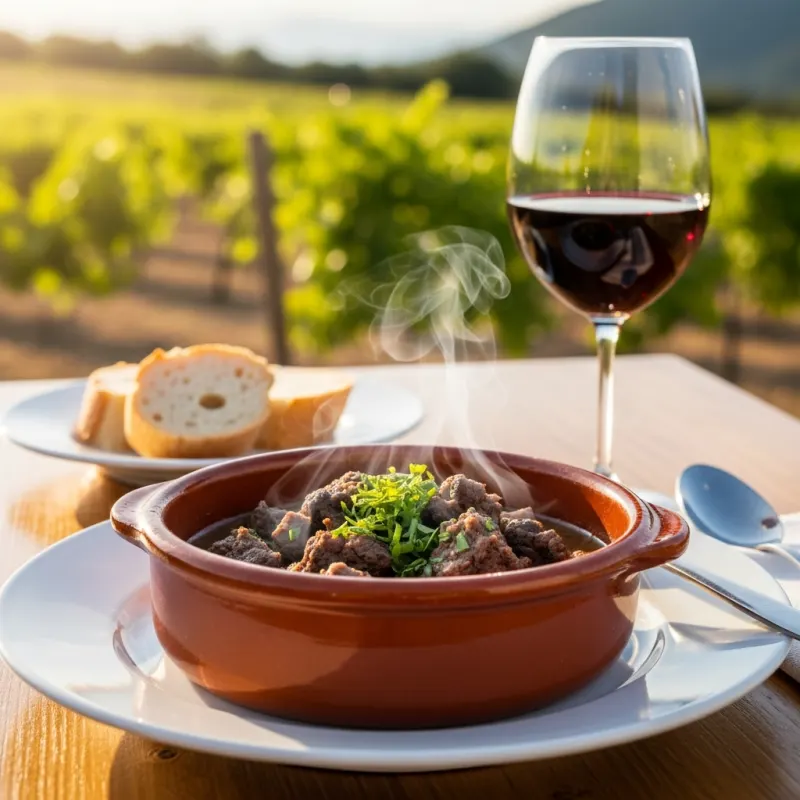
A bowl of traditional Corsican wild boar stew, Civet de Sanglier

Must Try Dish

Civet de Sanglier is a rich, slow-cooked wild boar stew prepared with red wine, onions, carrots, and local herbs. It is traditionally served with pasta or polenta, perfectly capturing the rugged, earthy flavors of the island's mountainous interior.
Food Experiences Title Icon

Food
Experiences

Discover cooking classes, tastings and local food tours

No food experience found
Maya, the human travel expert at TravelingWiz, offering curated, non-AI expertise

Maya’s Final Checklist for Corsica

Logistics shouldn’t be the focus of your trip—the experience should. I’ve hand-vetted these essential partners to ensure your arrival, stay, and exploration are as smooth as an Athenian breeze.

Where to Stay

From boutique hotels to local apartments—compare thousands of options and find the perfect stay in the best neighborhood.

Air Travel

Getting there should be seamless. Compare the best routes and prices across top airlines to start your journey on the right note.

Local Guides

Connect with experts who know the destination best. Get personalized advice and insider tips to help you plan your perfect trip.

Travel Protection

The “Engineer’s” rule: always have a backup. Secure your trip with a plan that covers every “what if” and unexpected change.

Car Rentals

Explore at your own pace with total freedom. Compare reliable rental options and find the right vehicle for your adventure.

Visa Services

Don’t let paperwork slow you down. Get expert assistance with your application to ensure all your entry documents are in order.

FAQs

Yes, renting a car is highly recommended. Public transportation is limited, and a car is essential for exploring the island’s remote beaches, mountain villages, and scenic coastal roads.
No, the GR20 is considered one of the most difficult long-distance trails in Europe. It requires excellent physical fitness, proper gear, and prior mountain trekking experience.
Corsica is a region of France, so the official currency is the Euro (EUR).
Yes, tap water in Corsica is generally safe to drink, though bottled water is widely available if preferred.
The best time to visit is from May to September when the weather is warm and ideal for both beach activities and hiking. May, June, and September offer pleasant temperatures with fewer crowds, while July and August are peak summer months with lively coastal towns and hot weather.
Yes, Corsica is very safe with low rates of violent crime. The main safety concerns are environmental rather than criminal. You should drive carefully on narrow, winding mountain roads, stay hydrated during hot summer days, and monitor weather conditions when hiking in the mountains or swimming in strong currents.
No, you do not need to be fluent in French, though learning a few basic polite phrases like ‘Bonjour’ and ‘Merci’ is greatly appreciated by locals. While French is the official language and Corsican is widely spoken, English is commonly understood in major hotels, restaurants, and tourist destinations across the island.
Yes, Corsica tends to be higher priced than mainland France, especially during the peak summer months. Accommodation, dining, and car rental costs rise considerably in July and August. To see current price breakdowns, average daily expenses, and estimate your trip costs, check the Budget section on this page.

Your Insights Matter

TravelingWiz grows through the stories of our community. If you’ve recently explored ,Corsica share your tips and stories to help us perfect our guides for the next traveler.

Related Articles

Check out our related articles and blog posts to learn even more about the destination.

No related articles found

Don’t Travel Alone

Share with your friends and family

Where should we send your offline card?

We hate spam just as much as you do

newsletter_consent *