Disclosure: This site contains affiliate links. We may earn a commission if you make a purchase, at no extra cost to you.

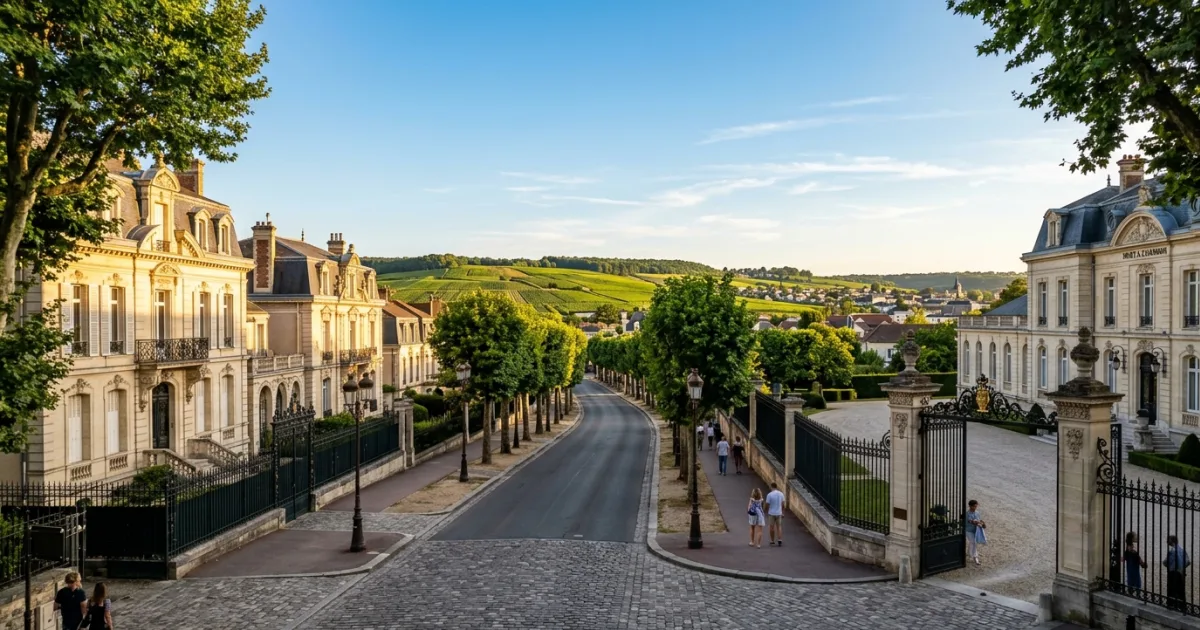
Avenue de Champagne in Epernay lined with historic mansions

Epernay Overview & Key Highlights

Epernay serves as the self-proclaimed capital of Champagne, nestled in the heart of the Grand Est region of France. The town is globally renowned for the Avenue de Champagne, a prestigious street lined with opulent neoclassical mansions and the headquarters of world-famous champagne houses like Moët & Chandon and Perrier-Jouët. Beneath these historic streets lies a vast network of subterranean cellars, stretching for over 110 kilometers and housing millions of bottles of aging champagne. Visitors flock to this elegant destination to explore its rich viticultural heritage and experience the luxurious lifestyle associated with the region's sparkling wine. Beyond the glamorous tasting rooms, Epernay offers a charming provincial atmosphere surrounded by rolling, vine-covered hills that are recognized as a UNESCO World Heritage site. The town provides an excellent base for exploring the wider Montagne de Reims and Côte des Blancs vineyards, where smaller, independent growers offer intimate tasting experiences. Travelers can enjoy scenic cycling routes through the countryside, indulge in refined French gastronomy at local bistros, and visit nearby historical landmarks such as the Abbey of Hautvillers, the resting place of Dom Pérignon. Whether you are a dedicated oenophile or simply seeking a romantic French getaway, Epernay delivers a sophisticated and memorable travel experience.

Epernay Travel Guide: Logistics & In-Depth Tips

Epernay's history is inextricably linked to the chalky soil upon which it is built. This unique terroir not only provides the perfect growing conditions for Pinot Noir, Pinot Meunier, and Chardonnay grapes but also allowed for the excavation of the town's famous cellars (crayères). These subterranean galleries maintain a constant temperature and humidity, creating the ideal environment for the secondary fermentation and aging process that gives champagne its signature bubbles. In 2015, the Champagne hillsides, houses, and cellars were inscribed as a UNESCO World Heritage site, cementing Epernay's status as a site of global cultural and historical significance.

While the Avenue de Champagne is the undisputed focal point, Epernay's charm extends into its surrounding landscapes. The town sits at the crossroads of three major wine-growing areas: the Montagne de Reims, the Vallée de la Marne, and the Côte des Blancs. This strategic location makes it the perfect launchpad for exploring the Route Touristique du Champagne. Visitors can spend their mornings descending into the historic cellars of grand marques, their afternoons cycling through picturesque villages like Ay and Hautvillers, and their evenings enjoying the region's rich culinary offerings, which perfectly complement the local vintages.

Reasons to Visit

  • Avenue de Champagne: Stroll down this iconic street, admiring the 19th-century architecture and visiting the tasting rooms of world-renowned champagne houses.
  • Subterranean Cellar Tours: Descend into the vast network of chalk cellars to learn about the traditional 'méthode champenoise' and view millions of aging bottles.
  • Vineyard Exploration: Cycle or drive through the stunning, UNESCO-listed rolling hills of the Champagne region, stopping at independent growers for intimate tastings.
  • Hautvillers: Visit the nearby picturesque village and the Abbey of Saint-Pierre, where the famous monk Dom Pérignon contributed to the development of champagne.
  • Gastronomy: Indulge in exquisite French cuisine at local bistros and Michelin-starred restaurants, perfectly paired with regional sparkling wines.

Things to Avoid

  • Driving after tasting: France has strict drink-driving laws. Utilize taxis, walking, or designated drivers if you plan on visiting multiple tasting rooms.
  • Showing up without reservations: Major champagne houses and top-rated restaurants often book out weeks in advance; do not expect to walk in during peak season.
  • Buying champagne without tasting: Take the time to sample different styles (Blanc de Blancs, Blanc de Noirs, Rosé) to find what suits your palate before purchasing bottles to take home.
  • Wearing high heels on cellar tours: The underground cellars often have uneven, damp floors and steep stairs; opt for comfortable, flat walking shoes.
  • Visiting in the dead of winter: Many smaller producers and some restaurants close between November and March, limiting your options.

Local Transportation Tips

Epernay's town center, including the famous Avenue de Champagne, is highly walkable and best explored on foot. For venturing into the surrounding vineyards and villages, renting a bicycle or an e-bike is a popular and scenic option. If you prefer not to cycle, there are numerous guided tour operators offering half-day or full-day excursions in comfortable minivans. The local train station provides excellent regional TER connections to nearby Reims (about 35 minutes) and direct routes to Paris. While having a rental car offers the most freedom for exploring the wider Grand Est region, it is not strictly necessary if you base yourself in Epernay and utilize local tours or bikes.

Travel Etiquette

  • Greetings: Always say 'Bonjour' (Good morning/Hello) when entering a shop, restaurant, or tasting room, and 'Merci, au revoir' (Thank you, goodbye) when leaving.
  • Tasting Etiquette: When tasting champagne, hold the glass by the stem to avoid warming the liquid, and take time to appreciate the aroma before sipping.
  • Dress Code: While Epernay is a relaxed provincial town, visiting prestigious champagne houses calls for smart-casual attire; avoid overly casual beachwear.
  • Tipping: Service is included by law in French restaurants (service compris), but leaving a small extra tip (pourboire) of 5-10% in cash for exceptional service is appreciated.
  • Punctuality: Arrive on time for your scheduled cellar tours, as they operate on strict timetables and latecomers may be turned away.

Recommended Age Group

Epernay is a destination primarily tailored to adult travelers seeking gastronomy, history, and viticulture, though it can accommodate families with some planning.

  • Babies (0-2 years): Neutral. The town center is stroller-friendly, but the underground cellars are cold, damp, and require navigating stairs, making them less ideal for infants.
  • Kids (3-12 years): Neutral. While kids might enjoy the underground train ride at Mercier cellars or cycling in the countryside, the primary focus of the town is alcohol tourism.
  • Teens (13-19 years): Neutral. Teens can appreciate the beautiful architecture, history, and outdoor activities, but they cannot participate in the region's main draw—wine tasting.
  • Adults (20-64 years): Recommended. Epernay is a paradise for adults, offering world-class wine tasting, romantic vineyard walks, and exceptional culinary experiences.
  • Seniors (65+ years): Recommended. The slow pace of travel, luxurious accommodations, and accessible tasting rooms on the Avenue de Champagne make it an excellent destination for mature travelers.

Accessibility Level: Medium

  • The main streets of Epernay, including the Avenue de Champagne, are relatively flat and paved, making them accessible for wheelchair users.
  • Many of the modern tasting rooms and ground-floor facilities of the major champagne houses are fully accessible.
  • However, the historic underground cellars often involve steep, uneven stairs and lack elevators. It is crucial to contact specific houses in advance; for example, Moët & Chandon and Mercier offer accessible tour options with prior notice.
  • Accessible public restrooms are available in the town center and at the tourist information office.
  • When booking transportation or guided vineyard tours, confirm wheelchair accessibility directly with the operator, as standard minivans may not be equipped with ramps.

Did You Know?

Beneath the streets of Epernay lies a hidden, subterranean city. There are over 110 kilometers (68 miles) of chalk cellars winding beneath the town, housing an estimated 200 million bottles of champagne. Because of the staggering value of the inventory stored underground, the Avenue de Champagne is frequently referred to as the most expensive street in the world.

Cool Statistics

  • Over 110 kilometers of subterranean chalk cellars exist beneath Epernay.
  • An estimated 200 million bottles of champagne are currently aging under the town.
  • The Avenue de Champagne features over 100 kilometers of cellars belonging to just a few major houses.
  • The Champagne hillsides, houses, and cellars were designated a UNESCO World Heritage site in 2015.
  • Epernay is surrounded by over 30,000 hectares of vineyards in the Champagne appellation.

Address:

Epernay, France

Find Nearby Accommodations

Basic Info

address icon

COUNTRY & Region

France,
Europe

ACCESSIBILITY LEVEL​

Medium
Currency icon

LOCAL CURRENCY​

Euro (EUR)
Price level icon
Medium
Safety Level icon

SAFETY LEVEL

Duration icon

Recommended Duration

• Full day
• 1-7 days

Electricity

electricity icon

Electricity

220-240V, 
50Hz
Plug Socket icon

Plug Type

• Type C (Round pin)
• Type E (Two round pins with earth pin)
Plug types
Click To View Plug Types
Epernay is part of our
Silver Nomads collection

Activities To Do In Epernay

Best Time To Visit Epernay

The best time to visit Epernay is from May to October, when the weather is mild and the vineyards are lush and green. September is particularly special as it marks the beginning of the grape harvest (vendange), offering a lively and authentic glimpse into the champagne-making process.

  • Spring (May - June): Pleasant temperatures, blooming landscapes, and fewer crowds make this an ideal time for cycling through the vineyards.
  • Summer (July - August): Warm weather perfect for outdoor dining, though it is peak tourist season so advance booking for cellar tours is essential.
  • Autumn (September - October): The harvest season brings vibrant autumn colors and a bustling atmosphere to the region.
  • Winter (November - April): Many smaller champagne houses close for the season, and the weather can be cold and damp, though December offers charming Christmas markets.

Average Temperatures Per Month

Remember to check the weather forecast a few days before the trip and before heading to the airport.

Safety Level icon

Safety Level

Epernay is a very safe and affluent town with a low crime rate. Standard travel precautions apply: keep an eye on your belongings in crowded tourist areas and during festivals. If you are participating in multiple wine tastings, ensure you have a designated driver or use local taxis, as French drink-driving laws are strictly enforced.

The rating is based on multi-year peace, crime, and security indices. Before you go, always verify current conditions through official government travel advisories.

Emergency Numbers

Police: 17
Ambulance: 15

No internet needed • Includes local translations • Free for TravelingWiz readers

Spoken Languages

French is the primary language. English is widely spoken in hotels, major restaurants, and by tour guides at the large champagne houses, but learning a few basic French phrases is highly appreciated by locals.

Learn The Language

  • Bonjour (Hello / Good morning)
  • Merci beaucoup (Thank you very much)
  • S’il vous plaît (Please)
  • L’addition, s’il vous plaît (The bill, please)
  • Où sont les toilettes? (Where are the toilets?)
  • Parlez-vous anglais? (Do you speak English?)
  • Une coupe de champagne (A glass of champagne)
  • Santé! (Cheers!)
Travel Booking Partner - TravelingWiz

Trip Cost & Budgeting for Epernay, 2026

Everything you need to know about money while traveling
Is Epernay expensive for tourists in 2026? Epernay falls into a moderate price tier, though Champagne tastings can add up quickly. Based on our Human Verified prices, expect to pay around 3.80 EUR for a cappuccino, 6.50 EUR for a pint of domestic beer, and 22.00 EUR for a standard restaurant main meal. Accommodation and dining remain reasonable outside high-end estates. Use the data table below to calculate your specific daily budget based on your travel style.
Currency icon

LOCAL CURRENCY​:

Euro (EUR)
Price level icon
Medium
Credit cards are widely accepted throughout Epernay, though carrying a little cash is helpful for small bakeries or markets.

Per person, per day – pocket cash for small purchases.

Local: 16
Euro (EUR)
≈ 19 USD

Full daily spend estimation (accommodation, food, transportation, attractions).

Travel Style
Euro (EUR)
≈ USD ($)
Budget
85
99
Mid-range
155
181
Comfort
340
397

The Prices, Daily costs, and calculator results are estimates for planning purposes only. Actual costs may vary based on season, booking timing, personal spending habits, and currency fluctuations. TravelingWiz cannot be held responsible for discrepancies between these estimates and your final trip expenses.

  • • Take advantage of lunch formule set menus at local bistros for lower-priced multi-course meals.
  • • Visit smaller family-owned champagne growers nearby instead of costly big-name Avenue de Champagne houses.
  • • Travel between Epernay and Reims using the regional TER train to save on car rentals and parking fees.
  • • Grab fresh produce, bread, and local cheeses at market stalls for an affordable vineyard picnic.

Pre-Order Tickets

Avoid disappointment when tickets sell out — and skip the long lines by booking online in advance. You’ll often save up to 20% too.
Save up to 20%

Travel Discounts & Coupons

Save on hotels, attractions, transport, and gear — find verified discounts for smarter travel spending.
Verified Coupons

What To Pack

  • Smart-casual attire for visiting prestigious champagne houses and dining at upscale restaurants.
  • A light jacket or sweater, as the underground champagne cellars remain at a cool 10-12°C (50-54°F) year-round.
  • Comfortable walking shoes for exploring the town on foot and navigating the uneven floors and stairs of historic cellars.
  • A reusable water bottle to stay hydrated between wine tastings.
  • An umbrella or light raincoat, as the Grand Est region can experience unpredictable showers.
We couldn't find tips for Epernay.
If you got any, please share

Recommended Itineraries for Traveling to Epernay

We couldn't find itineraries for Epernay.
you can contact us for custom trip plan

Food & Drink Highlights

Local Food Overview

The gastronomy of Epernay and the wider Champagne region is deeply intertwined with its wine production. Local cuisine features rich, comforting dishes designed to complement the acidity and effervescence of champagne. Expect to find specialties incorporating local cheeses, truffles, and pork, alongside delicate pastries.
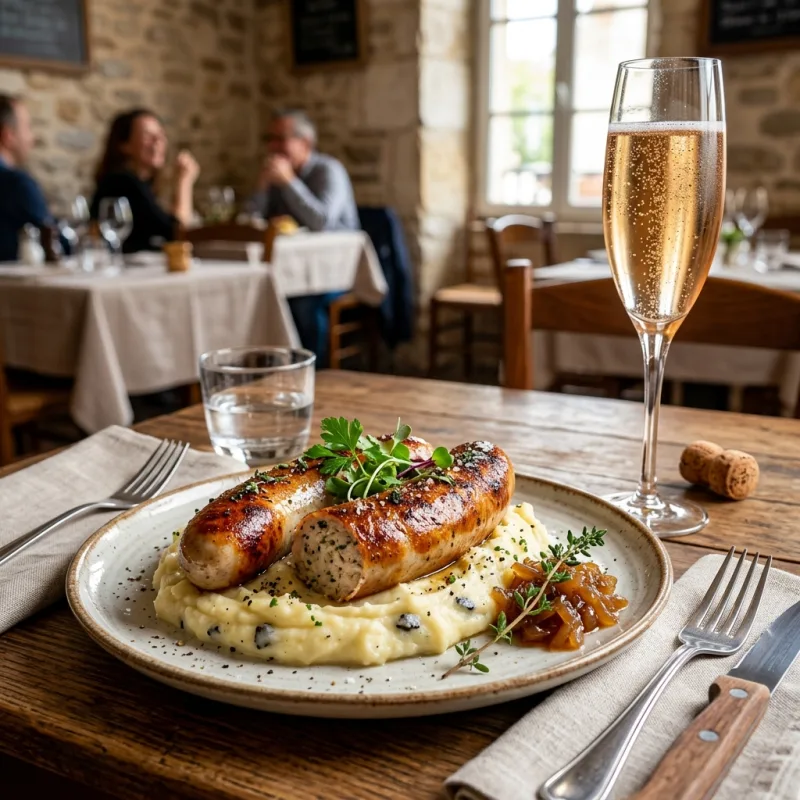
Boudin Blanc de Rethel served with mashed potatoes and champagne

Must Try Dish

Boudin Blanc de Rethel. This delicate, finely textured white sausage is a regional specialty of the Champagne-Ardenne area, traditionally made with premium pork, milk, and fresh eggs. When pan-seared to a golden crisp and served alongside creamy mashed potatoes and a flute of local champagne, it offers a sublime taste of authentic French terroir.
Food Experiences Title Icon

Food
Experiences

Discover cooking classes, tastings and local food tours

No food experience found
Maya, the human travel expert at TravelingWiz, offering curated, non-AI expertise

Maya’s Final Checklist for Epernay

Logistics shouldn’t be the focus of your trip—the experience should. I’ve hand-vetted these essential partners to ensure your arrival, stay, and exploration are as smooth as an Athenian breeze.

Where to Stay

From boutique hotels to local apartments—compare thousands of options and find the perfect stay in the best neighborhood.

Air Travel

Getting there should be seamless. Compare the best routes and prices across top airlines to start your journey on the right note.

Local Guides

Connect with experts who know the destination best. Get personalized advice and insider tips to help you plan your perfect trip.

Travel Protection

The “Engineer’s” rule: always have a backup. Secure your trip with a plan that covers every “what if” and unexpected change.

Car Rentals

Explore at your own pace with total freedom. Compare reliable rental options and find the right vehicle for your adventure.

Visa Services

Don’t let paperwork slow you down. Get expert assistance with your application to ensure all your entry documents are in order.

FAQs

Yes, it is highly recommended to book tours at major houses like Moët & Chandon or Mercier several weeks in advance, especially during the peak summer months and harvest season.
Epernay is easily accessible by train from Paris. You can take a high-speed TGV from Paris Gare de l’Est to Reims, and then a quick regional TER train to Epernay, or take a direct TER train from Paris to Epernay, which takes about 1 hour and 20 minutes.
Yes, while a car offers the most flexibility, you can rent bicycles or e-bikes in Epernay to explore nearby vineyard villages like Hautvillers. There are also guided minivan tours available from the town center.
Yes, children are generally allowed on cellar tours, and some houses like Mercier offer a fun underground train ride. However, the tours are heavily focused on wine production and tasting, which may not be engaging for younger children.
The Avenue de Champagne is the main street in Epernay, famous for being lined with the magnificent headquarters and mansions of some of the world’s most prestigious champagne producers. It is often referred to as the most expensive street in the world due to the millions of bottles stored in the cellars beneath it.

Your Insights Matter

TravelingWiz grows through the stories of our community. If you’ve recently explored ,Epernay share your tips and stories to help us perfect our guides for the next traveler.

Related Articles

Check out our related articles and blog posts to learn even more about the destination.

No related articles found

Don’t Travel Alone

Share with your friends and family

Where should we send your offline card?

We hate spam just as much as you do

newsletter_consent *