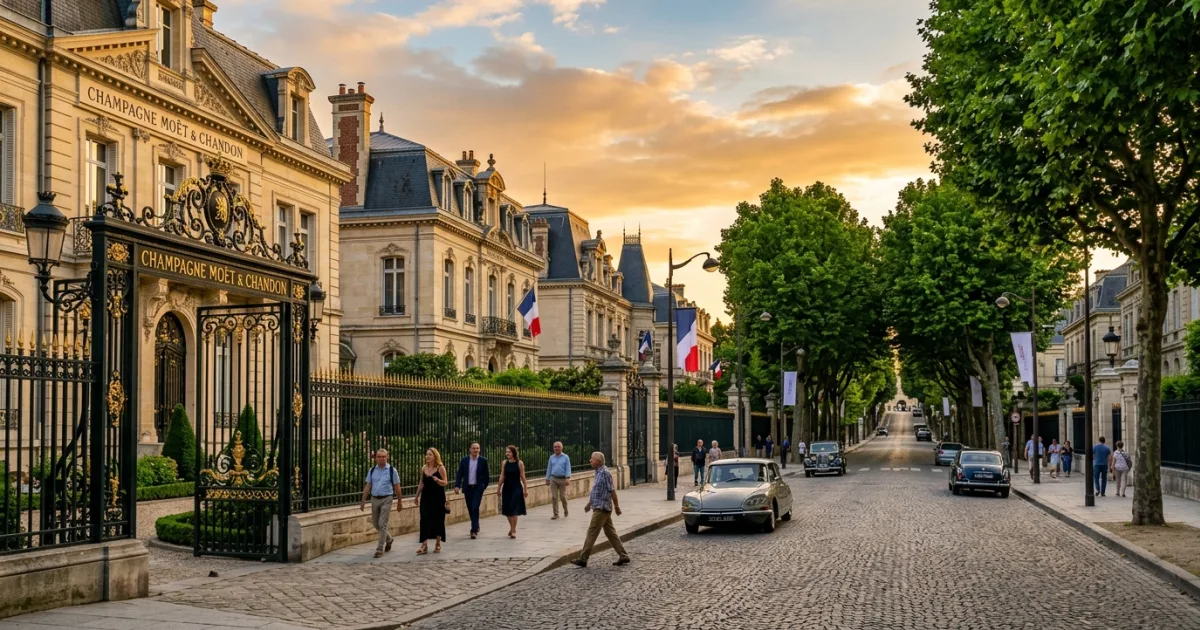
Epernay City Center is a destination where history, luxury, and gastronomy converge. The town's identity is inextricably linked to the chalky soil upon which it sits, providing the perfect conditions for both growing Pinot Noir, Pinot Meunier, and Chardonnay grapes, and for excavating the deep cellars required to age the wine. The Avenue de Champagne is the undisputed highlight, often referred to as the most expensive street in the world due to the millions of bottles resting beneath its pavement. Here, visitors can admire the grand architecture of 19th-century mansions built by the original Champagne barons.
Beyond the famous avenue, the city center features charming squares like Place de la République, surrounded by cafes and boutiques. The local covered market, Halle Saint Thibault, offers a glimpse into the daily life of residents and a chance to sample regional produce. Epernay is not just a place to drink wine; it is a place to understand the meticulous craftsmanship, the strict regulations, and the centuries of tradition that go into every bottle of authentic Champagne.
Reasons to Visit
- Avenue de Champagne: Walk along the iconic street lined with the world's most prestigious Champagne houses.
- Underground Cellars: Explore the vast, UNESCO-listed network of chalk cellars that stretch for over 110 kilometers beneath the city.
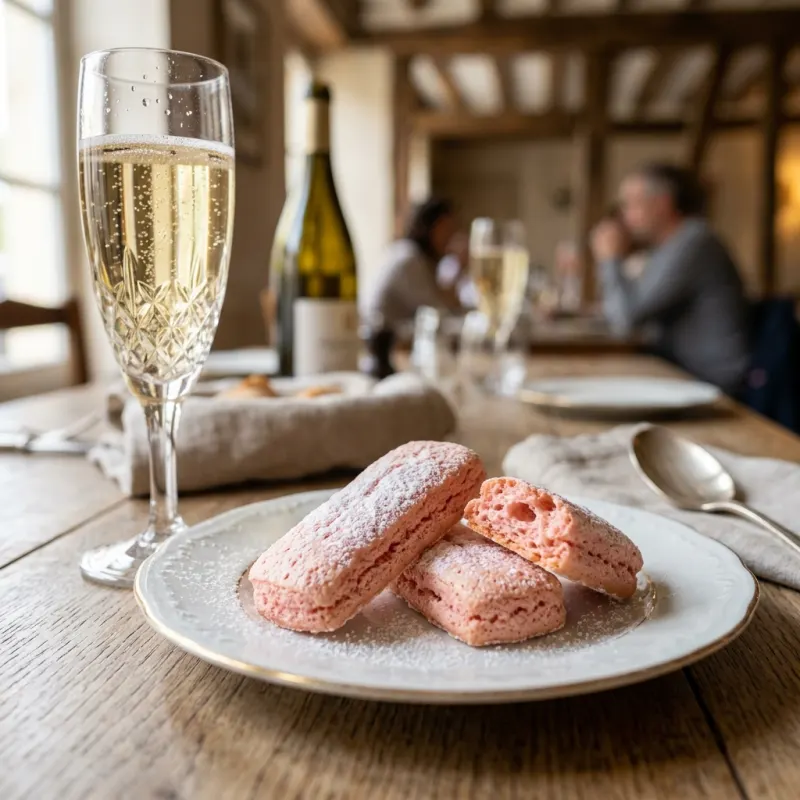
- Gastronomy: Indulge in exquisite French cuisine perfectly paired with local vintages at top-tier restaurants and cozy bistros.
- Historical Architecture: Admire the blend of classical, Renaissance, and Art Deco architectural styles throughout the city center.
Things to Avoid
- Arriving Without Reservations: Do not expect to walk into major Champagne houses for a tour without a prior booking.
- Underestimating the Cellar Temperature: Avoid wearing only light summer clothing on tours; the cellars are cold and damp.
- Driving After Tastings: France has strict drink-driving laws. Utilize the walkable city center or local transport.
Local Transportation Tips
Epernay City Center is best explored on foot. The area is compact, well-paved, and pedestrian-friendly, particularly around the main attractions. For traveling outside the center to nearby vineyards or villages like Hautvillers, renting a bicycle (including e-bikes) is a popular and scenic option. Taxis are available at the train station and can be booked via hotels, but ride-sharing apps like Uber have very limited presence in the area. The local train station connects Epernay directly to Reims and Paris.
Travel Etiquette
- Punctuality: Arrive on time for your scheduled cellar tours; groups often leave promptly.
- Tasting Etiquette: It is acceptable to spit wine during professional tastings, though many visitors choose to drink it. Hold your glass by the stem to avoid warming the Champagne.
- Greetings: Always say 'Bonjour' when entering a shop or restaurant, and 'Merci, au revoir' when leaving.
- Tipping: Service is included in French restaurant bills (service compris), but leaving a small extra tip (5-10%) for exceptional service is appreciated.
Recommended Age Group
Epernay City Center offers a sophisticated experience primarily tailored to adult travelers seeking culinary and historical enrichment.
- Babies (0-2 years): Neutral. The streets are generally stroller-friendly, but the cold, dark cellar tours are not suitable or engaging for infants.
- Kids (3-12 years): Neutral. While there are some parks, the heavy focus on wine tasting and long historical tours offers limited entertainment for young children.
- Teens (13-19 years): Neutral. Teens can appreciate the grand architecture and history, but they cannot participate in the primary attraction of wine tasting.
- Adults (20-64 years): Recommended. The perfect demographic for enjoying the gastronomy, romantic atmosphere, and premium Champagne tastings.
- Seniors (65+ years): Recommended. The city center is highly accessible, flat, and offers slow-paced, luxurious cultural and culinary experiences ideal for mature travelers.
Accessibility Level: Medium
- Street Navigation: The city center is mostly flat with well-maintained sidewalks, making it generally accessible for wheelchair users, though some side streets feature cobblestones.
- Champagne Houses: Many of the major Champagne houses on the Avenue de Champagne have adapted their ground-floor tasting rooms for wheelchair access.
- Cellar Tours: Accessibility in the underground cellars varies greatly. Some houses have elevators (like Moët & Chandon), while others require descending steep, narrow stairs. Always contact the house in advance to confirm accessibility.
- Public Transport: The Epernay train station offers basic accessibility features, but arranging specialized paratransit or accessible taxis in advance is recommended.
Did You Know?
Did you know that there are an estimated 200 million bottles of Champagne aging in the chalk cellars directly beneath the streets of Epernay? The cellars were originally excavated by the Romans to extract chalk for building, and their constant cool temperature and high humidity were later discovered to be the perfect environment for the secondary fermentation process that gives Champagne its bubbles.
Cool Statistics
- Cellar Length: Over 110 kilometers (68 miles) of subterranean cellars exist beneath Epernay.
- Bottle Count: Approximately 200 million bottles are stored underground.
- Avenue Length: The Avenue de Champagne stretches for about 1 kilometer.
- UNESCO Status: The Champagne hillsides, houses, and cellars were inscribed as a UNESCO World Heritage site in 2015.






Buy a compatible power adapter for your trip