

Disclosure: This site contains affiliate links. We may earn a commission if you make a purchase, at no extra cost to you.

>
>
>
Ile-de-France

Ile-de-France

Ile-de-France Overview & Key Highlights

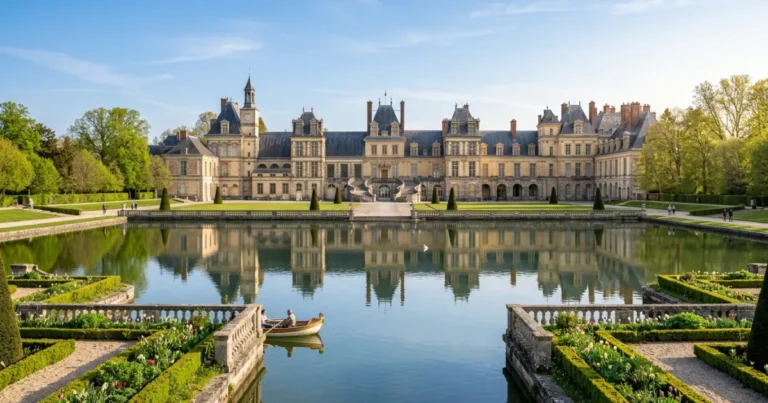
Ile-de-France encompasses Paris and its surrounding departments, serving as the cultural, historical, and economic epicenter of France. This region offers an unparalleled concentration of world-renowned museums, historic châteaux, and gastronomic excellence. Beyond the bustling capital, visitors can explore the opulent Palace of Versailles, the medieval town of Provins, and the expansive Fontainebleau forest, providing a diverse array of experiences within a relatively compact geographic area. The extensive public transportation network makes it incredibly easy to navigate between urban centers and tranquil countryside retreats. Whether you are marveling at the Gothic architecture of Saint-Denis Basilica, enjoying the thrills of Disneyland Paris, or simply savoring a freshly baked croissant in a local village square, Ile-de-France seamlessly blends high-paced city life with the timeless charm of the French provinces.

Ile-de-France Travel Guide: Logistics & In-Depth Tips

Ile-de-France is divided into eight administrative departments, with Paris at its core. The inner ring (Petite Couronne) includes Hauts-de-Seine, Seine-Saint-Denis, and Val-de-Marne, offering a mix of modern business districts like La Défense and rich industrial heritage. The outer ring (Grande Couronne) comprises Seine-et-Marne, Yvelines, Essonne, and Val-d'Oise, where visitors can find sprawling royal estates, vast national forests, and picturesque farming villages that inspired Impressionist painters.

Reasons to Visit

  • World-class art and history museums, including the Louvre and Musée d'Orsay.
  • Architectural marvels ranging from the Eiffel Tower to the Palace of Versailles.
  • Exceptional culinary experiences, from street-side crêperies to haute cuisine.
  • Family-friendly entertainment at Disneyland Paris and Parc Astérix.
  • Beautiful natural escapes like the Forest of Fontainebleau, perfect for hiking and bouldering.

Things to Avoid

  • Taking taxis during rush hour; the Metro or RER is usually much faster.
  • Eating at restaurants with menus translated into ten languages right next to major monuments, as they are often overpriced tourist traps.
  • Assuming cars will stop for you at pedestrian crossings without traffic lights; always make eye contact with the driver first.
  • Leaving your phone or wallet on the table at outdoor café terraces, making them easy targets for thieves.

Local Transportation Tips

The public transportation system in Ile-de-France is extensive and efficient. The RER network connects the city center to the suburbs and major airports (CDG and Orly), while the Transilien trains serve destinations further out in the region. Within Paris and its immediate borders, the Metro and a growing network of tramways provide quick transit. For a scenic option, the Batobus offers hop-on-hop-off travel along the Seine River.

Travel Etiquette

  • Always say 'Bonjour' (Good morning/hello) when entering a shop or restaurant, and 'Au revoir' (Goodbye) when leaving.
  • Keep your voice down in public transport and restaurants; loud conversations are considered impolite.
  • When dining, keep your hands (but not your elbows) visible on the table.
  • Tipping is not obligatory as a service charge is included in the bill, but leaving a few euros for exceptional service is appreciated.

Recommended Age Group

Ile-de-France offers a diverse range of attractions suitable for travelers of all ages, from theme parks to historic monuments.

  • Babies (0-2 years): Recommended. Many parks and gardens are perfect for strolling, though navigating older Metro stations with a stroller can be challenging due to a lack of elevators.
  • Kids (3-12 years): Recommended. Disneyland Paris, Parc Astérix, and interactive museums like the Cité des Sciences provide endless entertainment.
  • Teens (13-19 years): Recommended. The region offers great shopping, iconic pop-culture landmarks, and vibrant street art scenes.
  • Adults (20-64 years): Recommended. World-class dining, nightlife, extensive art galleries, and romantic settings make it ideal for adults.
  • Seniors (65+ years): Recommended. Rich history, accessible river cruises, and leisurely café culture appeal to older travelers, though care should be taken with cobblestones and stairs.

Accessibility Level: Medium

  • The public bus network in Paris and the surrounding region is highly accessible, with ramps and designated spaces for wheelchair users.
  • Many major museums (Louvre, Musée d'Orsay, Versailles) offer excellent accessibility features, including elevators, ramps, and free wheelchair rentals.
  • The historical Paris Metro system is notoriously difficult for wheelchair users, with only line 14 being fully accessible. The RER and newer tram lines offer better accessibility.
  • Cobblestone streets in historic districts like Montmartre or Provins can pose challenges for mobility devices.

Did You Know?

Despite being the most densely populated region in France, nearly 80% of the land in Ile-de-France is actually composed of agricultural areas, forests, and natural spaces.

Cool Statistics

  • Ile-de-France welcomes over 50 million tourists annually.
  • The region is home to 4 UNESCO World Heritage sites: the Banks of the Seine, the Palace of Versailles, the Palace of Fontainebleau, and the medieval town of Provins.
  • The Paris Metro has 304 stations, making it one of the densest subway networks in the world.

Address:

Ile-de-France, France

Find Nearby Accommodations

Basic Info

address icon

COUNTRY & Region

France,
Europe

ACCESSIBILITY LEVEL​

Medium
Currency icon

LOCAL CURRENCY​

Euro (EUR)
Price level icon
High
Safety Level icon

SAFETY LEVEL

Duration icon

Recommended Duration

• 1-7 days
• More than a week

Electricity

electricity icon

Electricity

220-240V, 
50Hz
Plug Socket icon

Plug Type

• Type C (Round pin)
• Type E (Two round pins with earth pin)
Plug types
Click To View Plug Types
Ile-de-France is part of our
Accessible Travel collection

Things To Do In Ile-de-France

Total: 1

Paris France
Complete Paris travel guide with a curated itinerary & local secrets. Includes 2026 updated prices and a daily budget breakdown.

Activities To Do In Ile-de-France

Best Time To Visit Ile-de-France

The best times to visit Ile-de-France are during the spring (April to June) and autumn (September to October).

  • Spring: Mild temperatures and blooming gardens, especially beautiful at Versailles.
  • Autumn: Crisp air, fewer crowds, and stunning fall foliage in the region's forests.
  • Summer: Can be hot and crowded, though it offers vibrant outdoor festivals and long daylight hours.
  • Winter: Chilly and damp, but magical with Christmas markets and fewer tourists at major indoor attractions.

Average Temperatures Per Month

Remember to check the weather forecast a few days before the trip and before heading to the airport.

Safety Level icon

Safety Level

Ile-de-France is generally safe for travelers, but petty crime such as pickpocketing is common in crowded tourist areas, major train stations (like Gare du Nord), and on the Metro. Keep your belongings secure, avoid engaging with street petition scammers, and stay aware of your surroundings, especially at night in unfamiliar neighborhoods.

The rating is based on multi-year peace, crime, and security indices. Before you go, always verify current conditions through official government travel advisories.

Emergency Numbers

Police: 17
Ambulance: 15

No internet needed • Includes local translations • Free for TravelingWiz readers

Spoken Languages

French is the official language. English is widely spoken in tourist areas, hotels, and major restaurants, though learning a few basic French phrases is highly appreciated by locals.

Learn The Language

  • Bonjour (Hello)
  • Merci (Thank you)
  • S’il vous plaît (Please)
  • Oui / Non (Yes / No)
  • Où sont les toilettes? (Where are the toilets?)
  • L’addition, s’il vous plaît (The bill, please)
  • Parlez-vous anglais? (Do you speak English?)
  • Au revoir (Goodbye)
Travel Booking Partner - TravelingWiz

Trip Cost & Budgeting for Ile-de-France, 2026

Everything you need to know about money while traveling
Is Ile-de-France expensive for tourists in 2026? Yes, the region is generally high-priced, but smart planning helps. Based on our Human Verified prices, expect to pay around 4.50 EUR for a cappuccino, 7.00 EUR for a pint of domestic beer, and 22.00 EUR for a standard main meal at a mid-range restaurant. Use the data table below to calculate your specific daily budget based on your travel style. With TravelingWiz's Human Verified data, a typical traveler should expect to spend around $251 USD per day for a mid-range trip in Ile-de-France. Click the Trip Cost Calculator button below the table to work out your personal budget for this trip.
Currency icon

LOCAL CURRENCY​:

Euro (EUR)
Price level icon
High
Credit cards are universally accepted in Ile-de-France, though carrying a few euros in cash is useful for small bakeries.

Per person, per day – pocket cash for small purchases.

Local: 45
Euro (EUR)
≈ 52 USD

Full daily spend estimation (accommodation, food, transportation, attractions).

Travel Style
Euro (EUR)
≈ USD ($)
Budget
120
138
Mid-range
220
253
Comfort
480
553

The Prices, Daily costs, and calculator results are estimates for planning purposes only. Actual costs may vary based on season, booking timing, personal spending habits, and currency fluctuations. TravelingWiz cannot be held responsible for discrepancies between these estimates and your final trip expenses.

  • Order a "carafe d'eau" at restaurants to get free, high-quality tap water instead of paying for expensive bottled water.
  • Take advantage of the midday "formule" (set lunch menu) at local bistros for high-quality meals at a fraction of dinner prices.
  • Buy a Navigo Easy pass or weekly Navigo ticket for public transport rather than purchasing single-use metro tickets.
  • Stand at the bar (comptoir) to drink your coffee, as sitting at outdoor terrace tables often doubles the price.

Pre-Order Tickets

Avoid disappointment when tickets sell out — and skip the long lines by booking online in advance. You’ll often save up to 20% too.
Save up to 20%

Travel Discounts & Coupons

Save on hotels, attractions, transport, and gear — find verified discounts for smarter travel spending.
Verified Coupons

What To Pack

  • Comfortable walking shoes for cobblestone streets and expansive museum floors.
  • Layered clothing to adapt to unpredictable spring and autumn weather.
  • A universal power adapter for Type C and Type E outlets.
  • Chic, smart-casual evening wear for dining in upscale restaurants.
  • A secure daypack or cross-body bag to deter pickpockets in crowded areas.
We couldn't find tips for Ile-de-France.
If you got any, please share

Recommended Itineraries for Traveling to Ile-de-France

We couldn't find itineraries for Ile-de-France.
you can contact us for custom trip plan

Food & Drink Highlights

Local Food Overview

The culinary scene in Ile-de-France ranges from rustic bistros serving traditional French fare to avant-garde Michelin-starred restaurants. Bakeries and patisseries are cornerstones of daily life, offering fresh baguettes, buttery croissants, and intricate, world-class pastries.
Paris-Brest dessert on a porcelain plate

Must Try Dish

Paris-Brest - A classic French dessert made of choux pastry and a praline flavored cream. Created in 1910 to commemorate the Paris–Brest–Paris bicycle race, its circular shape represents a bicycle wheel.
Food Experiences Title Icon

Food
Experiences

Discover cooking classes, tastings and local food tours

No food experience found
Maya, the human travel expert at TravelingWiz, offering curated, non-AI expertise

Maya’s Final Checklist for Ile-de-France

Logistics shouldn’t be the focus of your trip—the experience should. I’ve hand-vetted these essential partners to ensure your arrival, stay, and exploration are as smooth as an Athenian breeze.

Where to Stay

From boutique hotels to local apartments—compare thousands of options and find the perfect stay in the best neighborhood.

Air Travel

Getting there should be seamless. Compare the best routes and prices across top airlines to start your journey on the right note.

Local Guides

Connect with experts who know the destination best. Get personalized advice and insider tips to help you plan your perfect trip.

Travel Protection

The “Engineer’s” rule: always have a backup. Secure your trip with a plan that covers every “what if” and unexpected change.

Car Rentals

Explore at your own pace with total freedom. Compare reliable rental options and find the right vehicle for your adventure.

Visa Services

Don’t let paperwork slow you down. Get expert assistance with your application to ensure all your entry documents are in order.

FAQs

The region is highly connected by the RER (suburban trains), Transilien trains, and the Paris Metro. Purchasing a Navigo pass is the most efficient way to travel.
While not strictly necessary in tourist-heavy areas, knowing basic French greetings is considered polite and will greatly improve your interactions with locals.
No, Ile-de-France includes Paris and seven surrounding departments, featuring major attractions like the Palace of Versailles, Fontainebleau, and Disneyland Paris.
Yes, tap water across Ile-de-France is completely safe to drink and meets strict health standards. You can comfortably refill your reusable water bottle at hotels and public fountains, or ask for a complimentary “carafe d’eau” (tap water) when dining at restaurants and bistros throughout the region.
Spring from April to June and autumn from September to October are ideal times to visit. You will experience pleasant temperatures, blooming estate gardens or rich fall foliage, and fewer crowds at major landmarks. Summer offers long daylight hours but high heat and peak crowds, while winter is chilly yet festive.
Yes, the region is generally very safe for travelers. However, you should stay vigilant against opportunistic petty crime like pickpocketing in crowded tourist landmarks, on the Metro, and around major railway hubs. Keep your belongings zipped away, avoid leaving phones unattended on outdoor café tables, and bypass common street petition distractions.
The regional bus network and newer tram lines are fully accessible with boarding ramps and dedicated spaces. While newer transit options like Metro Line 14 and major RER stations provide elevators, the majority of the historic Paris Metro is difficult to navigate with mobility devices due to extensive stairs and a lack of step-free access.

Your Insights Matter

TravelingWiz grows through the stories of our community. If you’ve recently explored ,Ile-de-France share your tips and stories to help us perfect our guides for the next traveler.

Related Articles

Check out our related articles and blog posts to learn even more about the destination.

No related articles found

Don’t Travel Alone

Share with your friends and family

Where should we send your offline card?

We hate spam just as much as you do

newsletter_consent *