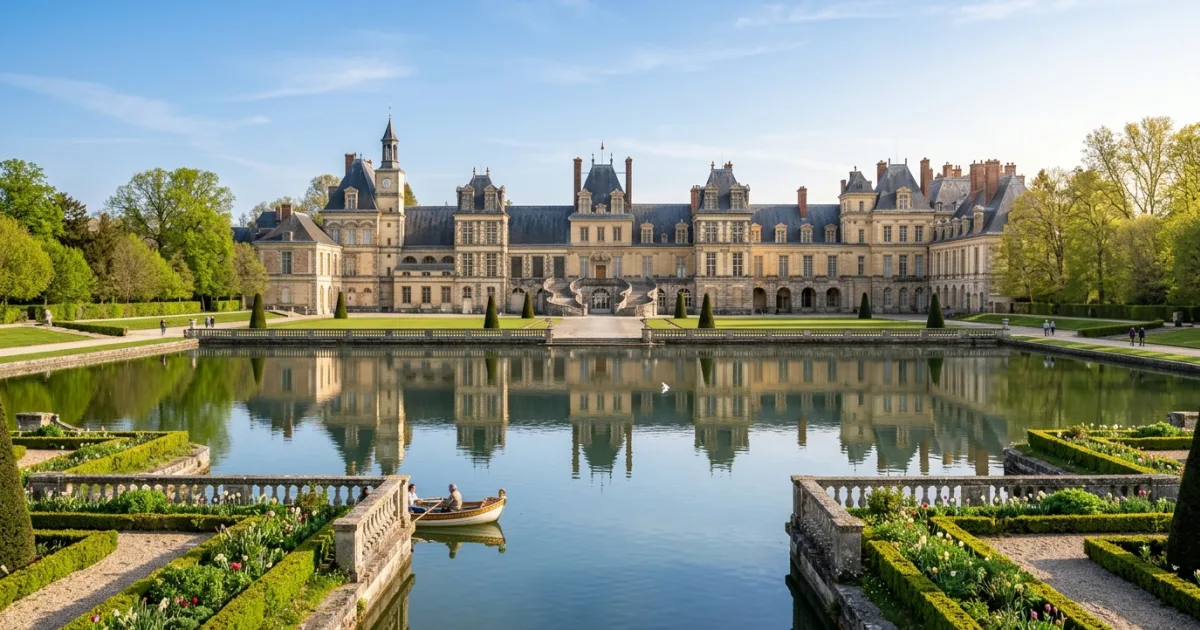
Seine-et-Marne represents the green heart of the Île-de-France region, comprising over half of the administrative territory that surrounds Paris. Historically favored by French royalty and nobility for its fertile soil and dense hunting forests, the department developed into a powerhouse of cultural patronage and royal architecture. The UNESCO World Heritage-listed Château de Fontainebleau served as an imperial residence from the 12th to the 19th centuries, displaying seamless transitions between medieval, Renaissance, and Classical French design. Nearby, Vaux-le-Vicomte stands as the premier example of 17th-century French formal garden design and baroque architecture that directly inspired the construction of Versailles.
Beyond its imperial châteaux, Seine-et-Marne preserves remarkable urban heritage. The hilltop commune of Provins survives as one of the best-preserved medieval fair towns in Europe, enclosed by authentic 13th-century ramparts and fortified watchtowers. In the 19th century, the hamlet of Barbizon on the edge of the forest became the cradle of plein-air naturalism, where painters like Jean-François Millet and Théodore Rousseau established the Barbizon School. Today, the department harmoniously bridges classic French countryside culture, world-renowned family entertainment resorts, and vast public woodlands that draw outdoor adventurers from across the globe.
Reasons to Visit
- World-Class Châteaux: Tour the grand royal chambers of Château de Fontainebleau and experience the candlelit summer evenings across the grounds of Vaux-le-Vicomte.
- UNESCO Medieval Heritage: Walk along the ramparts, underground tunnels, and defensive Caesar Tower in the medieval trade city of Provins.
- World-Renowned Bouldering: Climb the fine sandstone rocks and traverse iconic sandy trails within the protected Forest of Fontainebleau.
- Artistic Trailblazing: Explore the studios and historic inns of Barbizon where artists pioneered modern landscape painting.
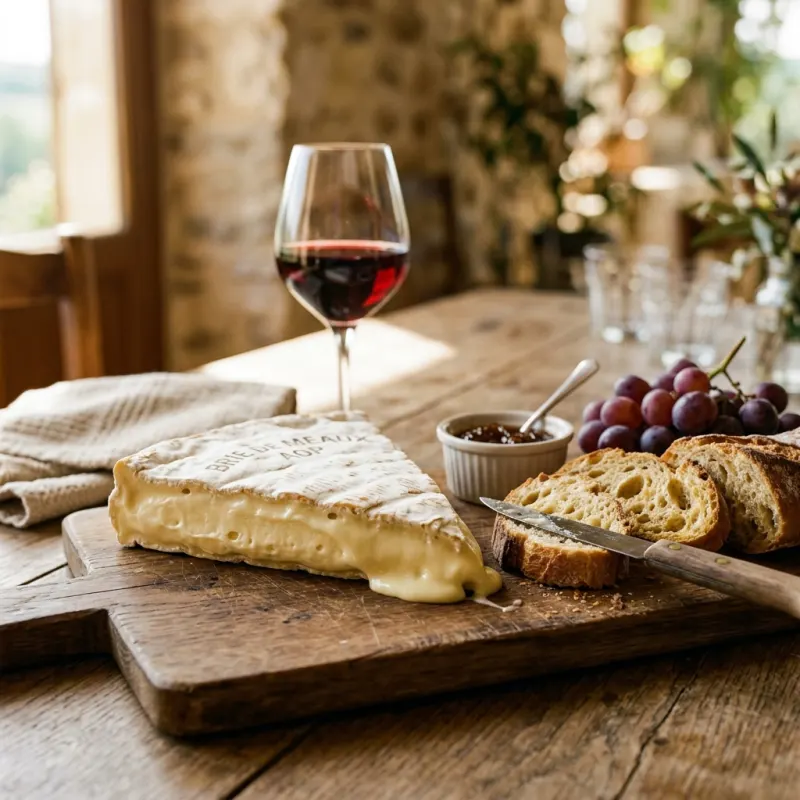
- Culinary Excellence: Sample certified raw-milk Brie de Meaux and Brie de Melun cheeses directly from regional affineurs and village markets.
Things to Avoid
- Avoid attempting to rely exclusively on taxis or rideshare apps in rural villages; pre-book transport or align schedules with local Transilien trains and bus connectors.
- Do not light open fires, camp without a permit, or discard trash in the Forest of Fontainebleau, as environmental protection regulations are strictly enforced.
- Avoid visiting major châteaux on summer weekend afternoons without advance skip-the-line tickets to prevent prolonged wait times.
- Do not assume all shops and restaurants in small villages operate daily; many close on Mondays and Tuesdays or observe mid-afternoon breaks.
Local Transportation Tips
Seine-et-Marne is integrated into the Île-de-France Mobilités transit system. Major destinations are accessible via train lines departing from central Paris: Transilien Line R links Paris-Gare de Lyon to Fontainebleau-Avon, Melun, and Moret-sur-Loing; Transilien Line P links Paris-Gare de l'Est to Meaux and Provins; RER Line A serves Marne-la-Vallée–Chessy. Local bus networks connect train stations with châteaux and outlying villages. While public transit effectively connects primary tourist sites, renting a vehicle is advantageous for navigating smaller agricultural hamlets, secondary forest trails, and remote artisanal cheese farms.
Travel Etiquette
- Always greet shopkeepers, museum attendants, and restaurant servers with a polite 'Bonjour Madame' or 'Bonjour Monsieur' before making requests.
- Keep voices moderate when traveling on regional public transit and inside historic religious structures.
- Respect marked trails and wildlife protection zones within forested and rural agricultural areas; leave crops and flora undisturbed.
- Tipping in restaurants is customary as a gesture of appreciation for good service (€1 to €3 for casual meals; 5-10% for fine dining), although a service charge is legally included in the bill.
Recommended Age Group
Seine-et-Marne offers versatile attractions that cater comfortably to all demographics, combining high-energy family attractions with quiet historical and cultural venues.
- Babies (0-2 years): Recommended. Palace gardens, paved estate paths, and scenic parks offer stroller-friendly navigation and ample quiet green spaces.
- Kids (3-12 years): Recommended. Disneyland Paris provides world-tier amusement attractions, while medieval falconry shows in Provins and easy forest scrambles keep children engaged.
- Teens (13-19 years): Recommended. World-famous outdoor bouldering in Fontainebleau and high-thrill rides at theme parks deliver active, memorable experiences.
- Adults (20-64 years): Recommended. Rich architectural itineraries, renowned gastronomy, historical museums, and scenic hiking trails make it a premier regional escape.
- Seniors (65+ years): Recommended. Accessible transit connections, tranquil gardens, guided cultural tours, and low-strenuosity sightseeing in historic villages suit mature travelers well.
Accessibility Level: Medium
- Major monuments like Château de Fontainebleau and Château de Vaux-le-Vicomte offer dedicated wheelchair access routes, accessible elevators inside main halls, and golf cart rentals for expansive garden paths.
- Main rail stations such as Marne-la-Vallée–Chessy and Fontainebleau-Avon are equipped with step-free platform access and passenger assistance services upon booking.
- The medieval town of Provins features cobblestone surfaces and steep gradients that may present challenges for manual wheelchair users; however, accessible tourist shuttles operate during the main season.
- Public forest trails vary in terrain; designated paved loops exist near the Grand Parquet and Barbizon access gates.
Did You Know?
Nicolas Fouquet's lavish inauguration fête at Château de Vaux-le-Vicomte in August 1661 so enraged and envied young King Louis XIV that the king had Fouquet arrested shortly after and requisitioned the chateau's entire creative team—architect Louis Le Vau, painter Charles Le Brun, and landscape designer André Le Nôtre—to build the Palace of Versailles.
Cool Statistics
- Area: 5,915 square kilometers, representing roughly 49% of the entire Île-de-France region.
- Woodland Cover: Over 135,000 hectares of forest, including the 25,000-hectare Forêt de Fontainebleau.
- Heritage Landmarks: Features 2 UNESCO World Heritage sites: Château de Fontainebleau and the Medieval Town of Provins.
- Historical Scale: Château de Fontainebleau boasts over 1,500 rooms, making it one of the largest sovereign palaces in France.






Buy a compatible power adapter for your trip