Essonne occupies a pivotal position in the southern crown of the Île-de-France region, spanning over 1,800 square kilometers of diverse terrain. While its northern borders form part of the vibrant Paris metropolitan tech corridor—headlined by the cutting-edge Paris-Saclay research campus—its southern two-thirds open out into expansive woodlands, peaceful valleys, and pastoral farmland. This geographical duality makes Essonne one of the most multifaceted departments in northern France, appealing equally to heritage enthusiasts and outdoor seekers.
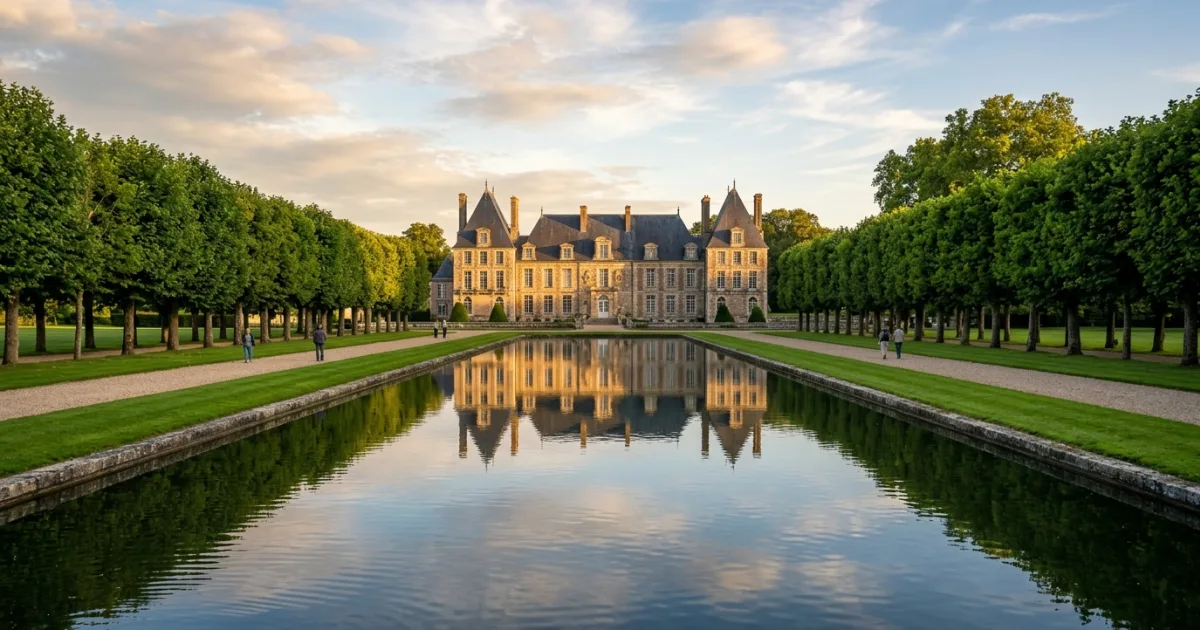
Historically, the territory served as a preferred retreat for French royalty, nobility, and intellectuals who erected splendid country seats away from court intrigues. Estates such as the Château du Marais, Château de Courson, and Domaine de Chamarande illustrate the evolution of French landscape architecture from fortified strongholds to classical pleasure pavilions. Simultaneously, towns like Étampes showcase Romanesque and Gothic religious monuments alongside royal keeps, preserving deep ties to early Capetian monarchy.
Reasons to Visit
- Magnificent Châteaux & Historic Water Gardens: Explore the Renaissance water features of Domaine de Courances and the contemporary art park at Domaine de Chamarande.
- Jean Cocteau's Artistic Heritage: Tour the preserved home, garden, and frescoed Chapelle Saint-Blaise-des-Simples of poet Jean Cocteau in Milly-la-Forêt.
- Parc Naturel Régional du Gâtinais Français: Hike through protected sandstone formations, pine groves, and ancient beeches just an hour from Paris.
- Medieval Architecture in Étampes and Dourdan: Walk through fortified bastions, dry moats, and Gothic collegiate churches dating back to the 12th century.
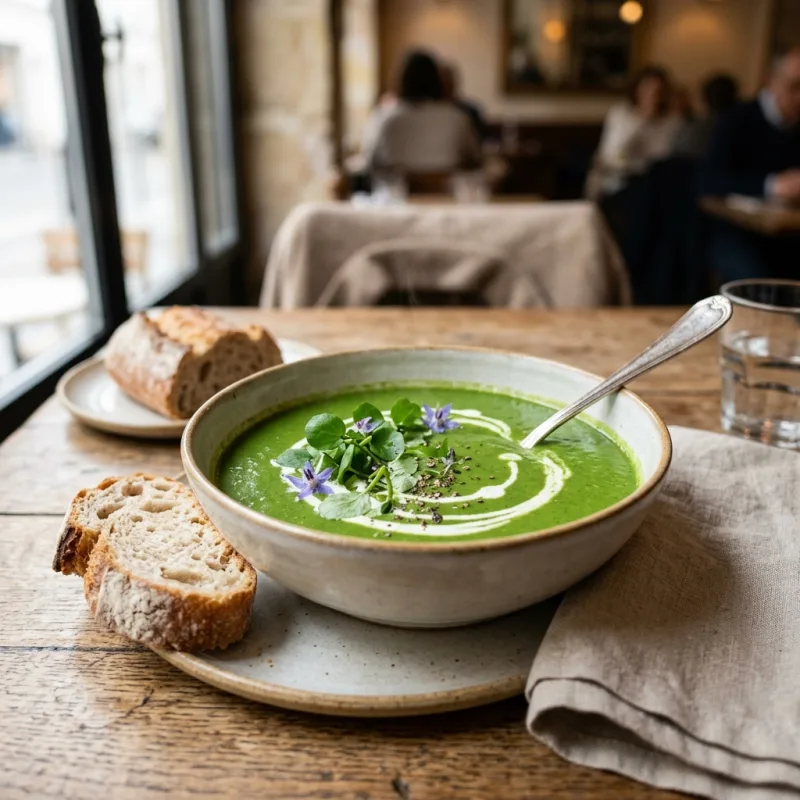
- Authentic Farm-to-Table Gastronomy: Discover working cressonnières in Méréville, local honey houses, and weekly market halls selling regional artisanal cheeses.
Things to Avoid
- Avoid attempting to visit rural estates without checking seasonal opening hours, as many châteaux operate strictly from April through November and only on weekends.
- Avoid relying purely on buses in rural areas on Sundays; regional bus schedules between small villages are sharply curtailed outside weekday commuter windows.
- Avoid staying exclusively along the northern RER corridors if you seek quiet pastoral landscapes; venture south toward Étampes or the Juine Valley for authentic countryside charm.
- Avoid skipping reservations for sit-down village restaurants on Sunday lunchtimes, which are consistently booked by local families.
Local Transportation Tips
Essonne is well integrated into the Île-de-France transport network. RER lines B, C, and D provide efficient commuter links between central Paris and major municipal hubs like Massy-Palaiseau, Juvisy, Dourdan, and Étampes. For rural exploration within the Parc Naturel Régional du Gâtinais Français or visits to isolated estates like Courances and Le Marais, renting a car is strongly recommended. Cycling is increasingly popular, with dedicated greenways along the Juine Valley and well-marked country lanes connecting village train stations to forest trailheads.
Travel Etiquette
- Always greet shopkeepers, café staff, and bus drivers with a clear 'Bonjour' upon entering and 'Au revoir' when departing.
- When hiking in the regional natural park, respect private property boundaries, stay strictly on blazed trails, and carry out all personal waste.
- Dress neatly when dining at traditional countryside auberges; casual attire is acceptable, but beachwear and athletic gym clothes are discouraged in evening settings.
- Keep speaking volumes low while traveling on RER commuter trains and regional public buses.
Recommended Age Group
Essonne provides varied attractions suited across multiple generations, from vast parklands to accessible historic fortresses.
- Babies (0-2 years): Neutral. Estate grounds like Chamarande offer wide gravel paths suitable for robust strollers, but historic castle interiors and cobblestone villages present accessibility challenges.
- Kids (3-12 years): Recommended. Children enjoy exploring the medieval towers of Château de Dourdan, running along the open lawns of departmental parks, and visiting local equestrian centers.
- Teens (13-19 years): Recommended. Outdoor climbing among sandstone boulders in the Gâtinais, cycling tracks, and tree-top adventure parks offer engaging active pursuits.
- Adults (20-64 years): Recommended. Excellent opportunities for château tours, cultural trails, quiet wine and dining experiences, and peaceful countryside road trips.
- Seniors (65+ years): Recommended. Gentle garden strolls at Courances, manageable museum visits, and relaxed heritage sightseeing with manageable walking distances.
Accessibility Level: Medium
- Major train stations including Massy-Palaiseau and Evry-Courcouronnes feature step-free platform access, functional elevators, and tactile paving.
- Large public estates such as Domaine de Chamarande offer designated accessible paths, flat paved circuits, and accessible modern sanitary facilities.
- Medieval fortresses like Château de Dourdan and historic village centers in Étampes have uneven cobblestones, steep staircases, and narrow passages that pose difficulties for wheelchair users.
- Regional Île-de-France Mobilités buses operating on primary suburban corridors are equipped with low floors and wheelchair ramps.
Did You Know?
Méréville, situated in southern Essonne, is officially designated the 'Watercress Capital of France,' responsible for producing around 40% of the entire country's culinary watercress crop in pure, spring-fed natural basins.
Cool Statistics
- Over 40% of Essonne's total land area is covered by agriculture, and nearly 25% consists of protected forests and green spaces.
- The Domaine de Courances features 14 operational spring-fed water pools and canals engineered without pumps since the 16th century.
- Essonne is home to the Paris-Saclay scientific cluster, which accounts for roughly 15% of all French scientific research output.






Buy a compatible power adapter for your trip