Calvados constitutes the core of Lower Normandy, framing France's northern shoreline with an enticing mix of chalk cliffs, sandy coastlines, and verdant agricultural hinterlands. The region is internationally acknowledged for profound 20th-century history, containing critical World War II landmarks including Omaha Beach, the Normandy American Cemetery at Colleville-sur-Mer, and the artificial harbor remains at Arromanches-les-Bains. In medieval times, Caen served as the seat of William the Conqueror, whose vast stone ramparts still overlook the city alongside the Romanesque abbeys of Abbaye-aux-Hommes and Abbaye-aux-Dames.
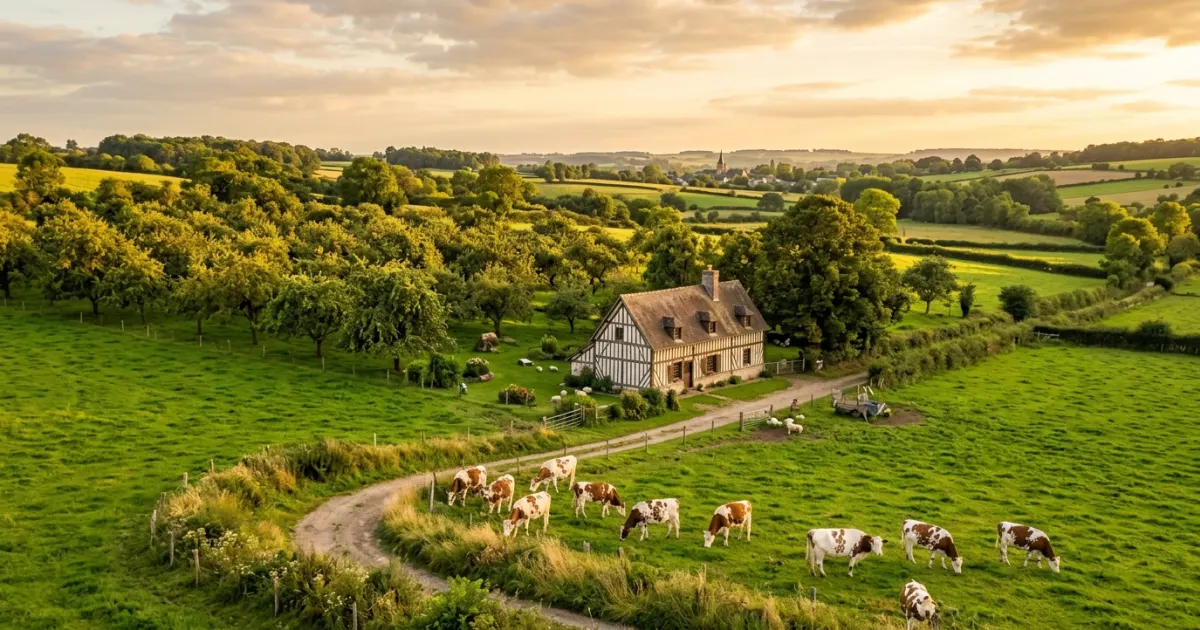
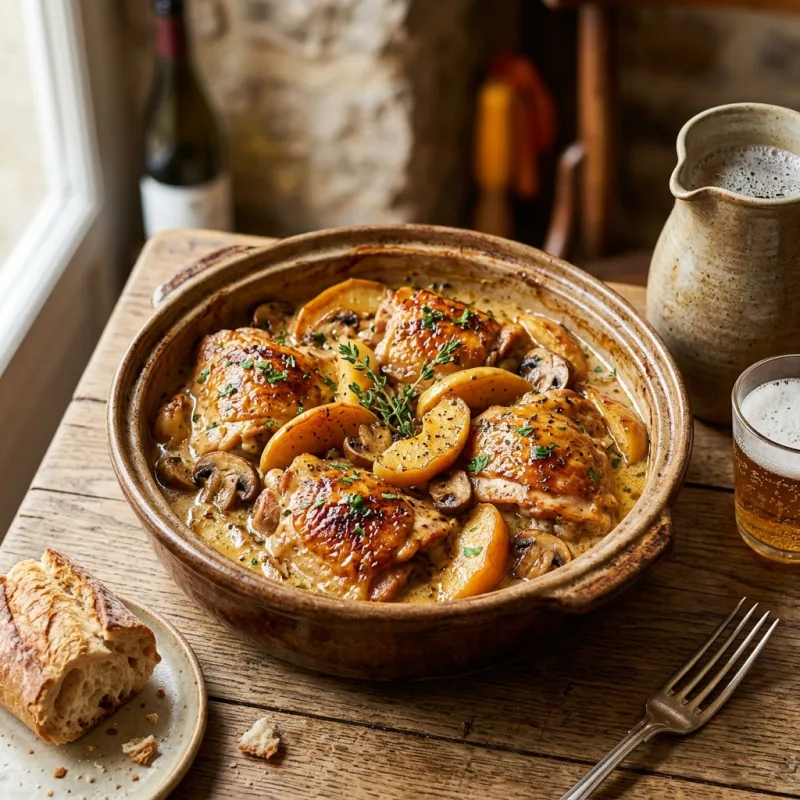
Eastward, the Pays d'Auge unfolds as a pastoral postcard of half-timbered manor houses, grazing dairy cattle, and neat rows of cider apple trees. The coastal towns of the Côte Fleurie—including the picturesque harbor basin of Honfleur that inspired Monet and Boudin, and the grand promenade of Deauville—offer relaxed seaside leisure. With its celebrated culinary repertoire anchored by butter, raw-milk cheeses, and double-distilled spirits, Calvados delivers a rich and grounded French travel experience.
Reasons to Visit
- Remarkable World War II heritage sites and evocative coastal memorials
- The UNESCO-listed 11th-century Bayeux Tapestry depicting the Norman Conquest
- The scenic Route du Cidre winding through picturesque half-timbered villages
- Classic coastal beauty in Honfleur, Trouville, and Deauville
- World-renowned gastronomic traditions featuring Camembert and artisanal apple brandy
Things to Avoid
- Avoid relying exclusively on public transit if you plan to visit rural cideries or remote memorial sectors.
- Do not ignore beach tide warning boards, as English Channel tides rise with remarkable speed.
- Avoid visiting major D-Day memorial sites during the first week of June without booking accommodations months in advance.
- Avoid eating solely on the primary harbor promenade of Honfleur; venture one street back for superior local dining.
Local Transportation Tips
Calvados is served by direct SNCF trains running from Paris Saint-Lazare to Caen, Bayeux, Lisieux, and Trouville-Deauville. Within the department, the Nomad regional bus network links major towns, but services to rural villages and specific landing beaches are infrequent outside the peak summer months. Renting a vehicle or organizing guided excursions remains the most practical way to traverse the diverse landscapes of Calvados efficiently.
Travel Etiquette
- Always greet shopkeepers and hosts with a clear 'Bonjour, Madame' or 'Bonjour, Monsieur' upon entering an establishment.
- Maintain a quiet, reverent demeanor when touring war memorials and military cemeteries.
- Wait for all diners to be served and say 'Bon appétit' before eating at regional tables.
Recommended Age Group
Calvados offers a balanced balance of educational exploration, seaside relaxation, and culinary indulgence suitable across generations.
- Babies (0-2 years): Neutral. Cobblestone medieval streets require sturdy strollers, though flat beach promenades are easy to navigate.
- Kids (3-12 years): Recommended. Expansive sandy beaches, interactive WWII exhibits, and dairy farm visits provide great outdoor engagement.
- Teens (13-19 years): Recommended. World War II historic sites, coastal watersports, and cycling routes offer vivid educational and active outings.
- Adults (20-64 years): Recommended. Outstanding culinary heritage, distillery visits, historic architecture, and scenic driving routes suit adult travelers exceptionally.
- Seniors (65+ years): Recommended. Flat coastal boardwalks, rich historical narratives, and comfortable regional touring make it an ideal slow-travel destination.
Accessibility Level: Medium
- Major museums such as the Caen Memorial and the Arromanches 360 Cinema offer step-free access and modern elevators.
- The Bayeux Tapestry Museum accommodates wheelchair users with dedicated lifts and adapted ramps.
- Historic village centers in the Pays d'Auge present uneven cobblestones and narrow sidewalks that may require extra assistance.
Did You Know?
Calvados apple brandy must be aged in oak barrels for a minimum of two years, with premium blends resting for decades to achieve deep aromas of baked apple, vanilla, and spice.
Cool Statistics
- Home to over 50 kilometers of World War II landing beach coastline.
- More than 6 million apple trees flourish across Normandy's historic orchards.
- The Bayeux Tapestry measures nearly 70 meters long and dates to the late 11th century.






Buy a compatible power adapter for your trip