Normandy is geographically diverse, split historically into Upper Normandy (centered around Rouen and the Seine Valley) and Lower Normandy (encompassing Caen, the Cotentin Peninsula, and Mont Saint-Michel). The Alabaster Coast in the north features stunning white chalk cliffs, most notably at Étretat, which have inspired countless Impressionist painters. Inland, the 'Bocage' landscape is characterized by rolling green hills, apple orchards, and half-timbered farmhouses.
The region's history is layered and complex. In 1066, William the Conqueror set sail from Normandy to claim the English throne, an event immortalized in the Bayeux Tapestry. Centuries later, the region became the focal point of the liberation of Europe during WWII. Today, Normandy balances its solemn historical sites with vibrant cultural festivals, thriving agricultural markets, and a relaxed coastal lifestyle.
Reasons to Visit
- World War II History: Walk the hallowed grounds of Omaha, Utah, Gold, Juno, and Sword beaches, and visit the poignant American Cemetery at Colleville-sur-Mer.
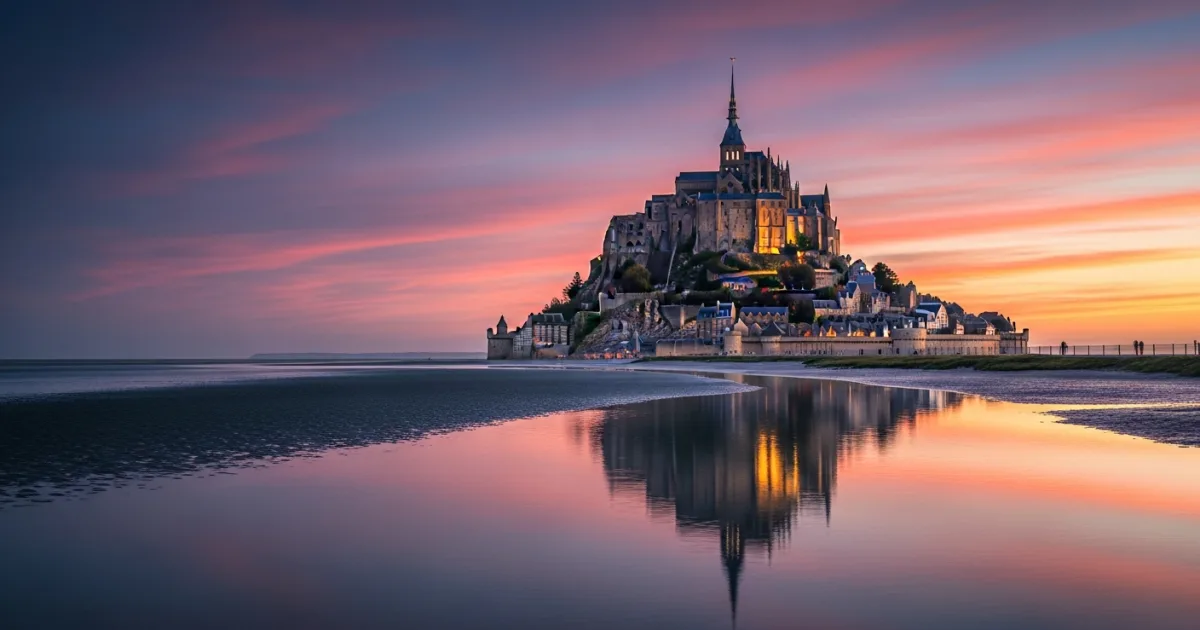
- Mont Saint-Michel: Marvel at the gravity-defying medieval abbey perched on a rocky tidal island, one of France's most iconic sights.
- Impressionist Art: Visit Claude Monet's house and spectacular gardens in Giverny, the birthplace of Impressionism.
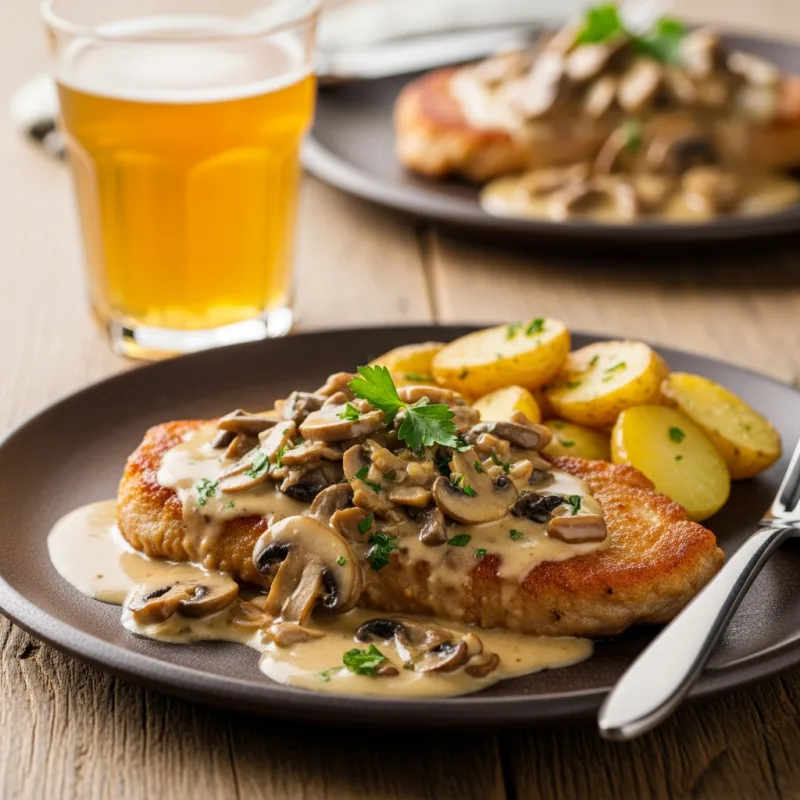
- Culinary Delights: Indulge in authentic Camembert, Livarot, and Pont-l'Évêque cheeses, paired with local cider and Calvados.
- Medieval Architecture: Explore the remarkably preserved Bayeux Tapestry and the gothic spires of Rouen Cathedral.
Things to Avoid
- Rushing the Beaches: Avoid trying to see all five D-Day landing sectors in a single afternoon; the sites are spread out and require time to appreciate.
- Midday at Mont Saint-Michel: Avoid visiting between 11 AM and 3 PM during summer, as the narrow medieval streets become overwhelmingly crowded.
- Ignoring the Tides: Never venture onto the sandbanks around Mont Saint-Michel without a licensed guide, as the tides rise dangerously fast.
- Driving in Rouen Center: Avoid driving in the historic center of Rouen, which is largely pedestrianized and has complex one-way systems.
Local Transportation Tips
Renting a car is the most efficient way to experience Normandy, offering the freedom to navigate the rural Bocage, coastal roads, and scattered historical sites. Major rental agencies are available at train stations in Caen, Rouen, and Bayeux. For those relying on public transit, the SNCF Nomad train network connects Paris (Gare Saint-Lazare) to major Norman cities. Local bus networks (like Nomad Car) serve smaller towns and the coastline, though schedules can be sparse on weekends and outside the summer season. Guided bus tours are a popular and stress-free option for visiting the D-Day beaches from Bayeux or Caen.
Travel Etiquette
- Greetings: Always say 'Bonjour' (Good morning/hello) when entering a shop or restaurant, and 'Au revoir' (Goodbye) when leaving.
- Respect at Memorials: Maintain a quiet, respectful demeanor at war cemeteries and memorials. Dress modestly and avoid loud conversations.
- Dining: Bread is typically placed directly on the table, not on a separate plate. Wait for the host to say 'Bon appétit' before eating.
- Tipping: Service is included in the bill by law in France, but leaving a small coin or rounding up the bill is appreciated for good service.
Recommended Age Group
Normandy offers a diverse range of experiences that cater to almost every age group, balancing education, nature, and relaxation.
- Babies (0-2 years): Neutral. While the countryside is peaceful, navigating cobblestone streets, abbey stairs, and uneven beach terrain with a stroller can be challenging.
- Kids (3-12 years): Recommended. Children will enjoy the wide-open beaches, exploring medieval castles, and interactive exhibits at places like the Cité de la Mer in Cherbourg.
- Teens (13-19 years): Recommended. The profound WWII history provides a powerful educational experience, while outdoor activities like sand yachting and hiking keep them engaged.
- Adults (20-64 years): Recommended. Adults can fully appreciate the culinary heritage, cider tasting, deep historical context, and scenic road trips.
- Seniors (65+ years): Recommended. The region offers excellent slow travel opportunities, comfortable accommodations, and accessible museums, though some historic sites require navigating stairs.
Accessibility Level: Medium
- Museums: Most major WWII museums, including the Caen Memorial and the Overlord Museum, are fully wheelchair accessible with ramps and elevators.
- Historical Sites: Ancient sites like Mont Saint-Michel present significant challenges due to steep inclines, numerous stairs, and cobblestones. However, the shuttle to the island is accessible.
- Beaches: Several D-Day beaches have paved promenades, and some offer specialized beach wheelchairs (Tiralo) during the summer months.
- Transport: Modern regional trains and major stations offer accessibility services, but it is highly recommended to book assistance in advance.
Did You Know?
Did you know that the Bayeux Tapestry is not actually a tapestry at all? It is an embroidery. Measuring nearly 70 meters (230 feet) long, this 11th-century masterpiece was hand-stitched with woolen yarns on linen cloth to depict the events leading up to the Norman Conquest of England.
Cool Statistics
- Coastline: Normandy boasts over 600 kilometers (370 miles) of diverse coastline.
- D-Day Landings: On June 6, 1944, nearly 160,000 Allied troops crossed the English Channel to land on the beaches of Normandy.
- Mont Saint-Michel Visitors: The island abbey receives over 3 million visitors annually, making it one of France's most visited landmarks outside of Paris.
- Apple Orchards: Normandy produces over 800 different varieties of apples, primarily used for cider and Calvados production.








Buy a compatible power adapter for your trip