Hérault offers an authentic slice of southern French life, stretching from the azure waters of the Golfe du Lion up to the southern slopes of the Massif Central. The department centers economically and culturally around Montpellier, one of Europe's oldest university cities, characterized by elegant 17th-century mansions, broad pedestrian plazas, and a vibrant contemporary art scene. Beyond the urban core, the landscape unfolds into historic canal routes, medieval hill villages, and limestone plateaus sculpted by ancient rivers.
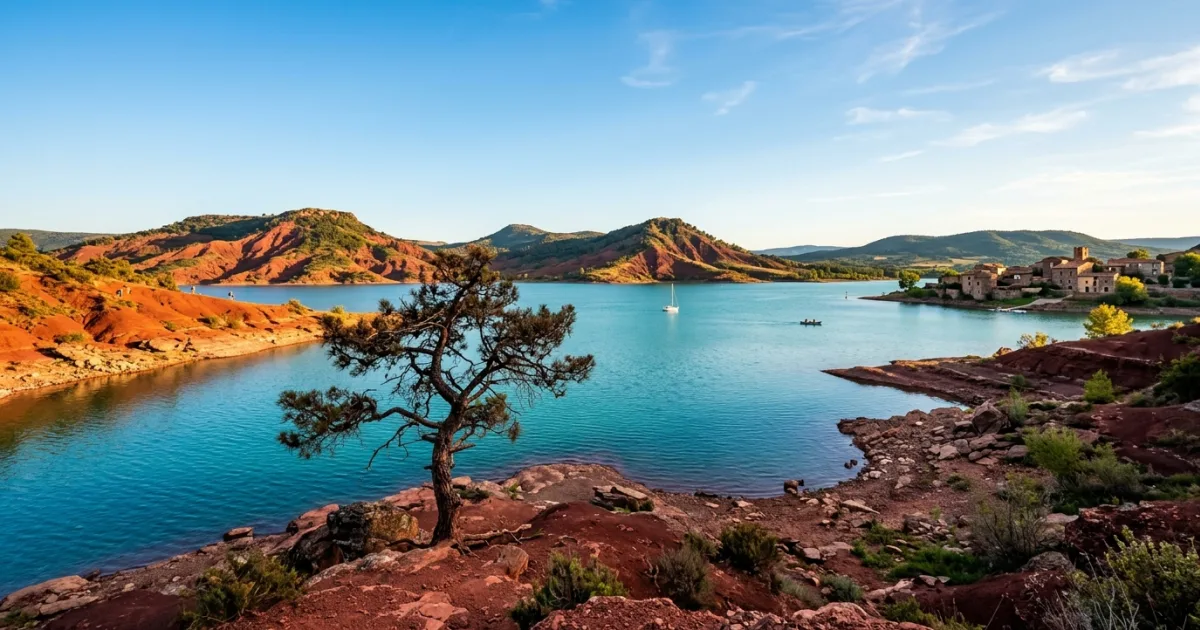
The department serves as a bridge between rich maritime culture and ancient pastoral history. Engineering marvels like the 17th-century Fonseranes Locks on the Canal du Midi demonstrate the region's historic significance, while natural attractions such as the Cirque de Navacelles and Lac du Salagou draw geologists and hikers from around the world. Whether cruising quiet waterways, sampling fresh oysters along the Thau lagoon, or touring storied Romanesque abbeys, Hérault delivers varied experiences across short driving distances.
Reasons to Visit
- Canal du Midi: Cruise along this UNESCO World Heritage engineering masterpiece, shaded by towering plane trees and lined with historic locks.
- Diverse Landscapes: Hike from the red Martian hills of Lac du Salagou to the dramatic drop-offs of the Cirque de Navacelles.
- Pristine Medieval Villages: Explore cobblestone streets in Saint-Guilhem-le-Désert, Minerve, and Olargues.
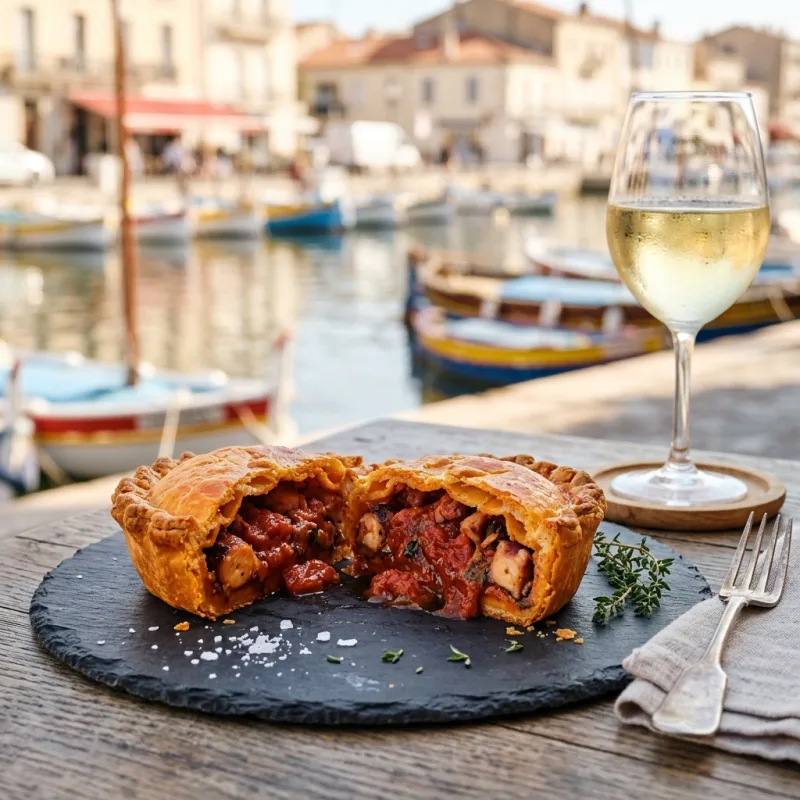
- Culinary and Wine Heritage: Taste Bouzigues oysters at water's edge and tour historic vineyards across the Languedoc wine country.
- Mediterranean Coastline: Relax on long sandy beaches like Espiguette and explore artistic port towns like Sète.
Things to Avoid
- Avoid driving into the historic pedestrian center (Écusson) of Montpellier, as parking is heavily restricted and streets are strictly camera-monitored.
- Do not leave luggage or electronics visible inside rental vehicles at remote hiking parking lots.
- Avoid visiting popular sites like Saint-Guilhem-le-Désert at midday in July and August when tour buses create heavy foot traffic and parking is full.
- Do not swim in rivers immediately after heavy autumn storms (Cévenol episodes), which cause sudden flash flooding.
Local Transportation Tips
Hérault has an extensive regional transit network operated by liO (Lignes Intermodales d'Occitanie). Fast TER trains run frequently along the coastal rail corridor connecting Montpellier, Sète, Agde, and Béziers. Montpellier features a modern four-line tramway network designed by Christian Lacroix. Rural valleys and smaller villages are connected by regional liO buses, which offer affordable flat-rate fares (€1.60 per journey). To access remote natural landmarks like Cirque de Navacelles, Gorges d'Héric, or Lac du Salagou, renting a car at Montpellier Méditerranée Airport or Montpellier Saint-Roch train station provides optimal flexibility.
Travel Etiquette
- Always greet shopkeepers and servers with a polite 'Bonjour Madame' or 'Bonjour Monsieur' upon entering any establishment before asking questions.
- Dress respectfully when entering ancient churches and active religious sites such as the Abbey of Gellone.
- Tipping is discretionary in restaurants since a service charge is included by law; leaving €1 to €2 for casual meals or 5% to 10% for exceptional dining is customary.
- Adhere to quiet hours in small villages during the midday heat when locals take lunch and rest.
Recommended Age Group
Hérault offers diverse activities that appeal to multi-generational travelers, though infants require planning due to steep cobbled village terrains.
- Babies (0-2 years): Neutral. Cobblestone medieval streets and steep canyon paths are impractical for strollers, though coastal resorts and flat beach promenades are manageable with baby carriers.
- Kids (3-12 years): Recommended. Shallow sandy beaches, safe canoe trips on calm river sections, cave tours at Grotte des Demoiselles, and open space around Lac du Salagou make it exciting for children.
- Teens (13-19 years): Recommended. Excellent opportunities for adventure sports like kayaking, paddleboarding, canyoning, mountain biking, and exploring vibrant Montpellier.
- Adults (20-64 years): Recommended. Perfect balance of world-class vineyard tours, oyster shacks, fine dining, architecture, hiking, and cultural festivals.
- Seniors (65+ years): Recommended. Flat coastal promenades, scenic boat tours along the Canal du Midi, rich art museums, and comfortable guided day excursions offer great accessibility.
Accessibility Level: Medium
- Montpellier's tramway system and all modern city buses feature 100% low-floor access and audible/visual station announcements.
- Paved coastal promenades in towns like La Grande-Motte and Carnon offer level, step-free strolls along the seaside.
- Major heritage sites like the Fonseranes Locks have paved ramps and dedicated disabled parking bays, though medieval villages like Saint-Guilhem-le-Désert retain uneven cobblestones and steep inclines.
- Regional TER trains offer designated wheelchair spaces, ramp assistance, and accessible station platforms at main transit hubs.
Did You Know?
The University of Montpellier's Faculty of Medicine, established in 1220, is the oldest continuously operating medical school in the Western world, where famous figures like Nostradamus and François Rabelais once studied.
Cool Statistics
- Over 300 days of sunshine recorded annually across Hérault's Mediterranean coastal plain.
- Home to over 500 square kilometers of classified AOC Languedoc vineyards.
- Contains 9 interconnected locks at the monumental Fonseranes staircase along the Canal du Midi in Béziers.






Buy a compatible power adapter for your trip