Disclosure: This site contains affiliate links. We may earn a commission if you make a purchase, at no extra cost to you.
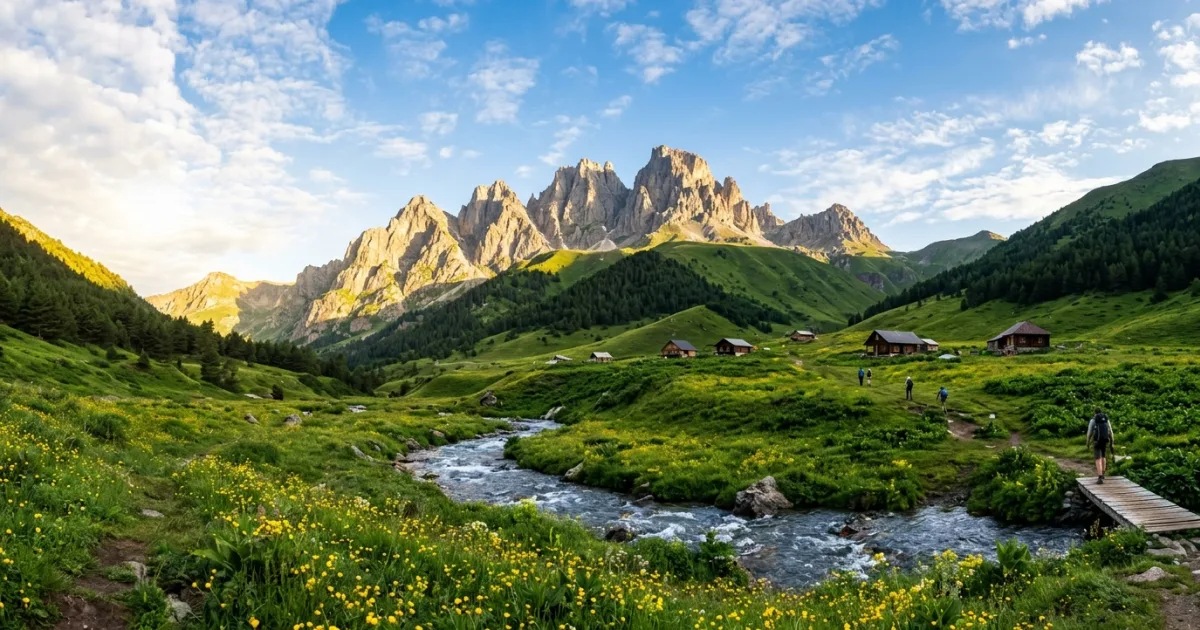
Panoramic view of the green Juta valley and the sharp peaks of the Chaukhi Massif in the Caucasus mountains

Basic Info

COUNTRY & Region

Georgia,
Europe

ACCESSIBILITY LEVEL​

  • High: Widely accessible with good facilities for disabilities.
  • Medium: Some accessible options, but limitations exist.
  • Low: Limited accessibility; many barriers for disabilities.
Medium

LOCAL CURRENCY​

Georgian Lari (GEL)

Price Level

Low – budget‑friendly basics

Medium – moderate mid‑range costs

High – pricey lodging, dining & transport

Low

SAFETY LEVEL

5 shields = Excellent – very low crime or conflict.

4 shields = Safe – low risk, routine care.

3 shields = Relatively safe – use normal street smarts.

2 shields = Use caution – higher crime or periodic unrest.

1 shields = Avoid – active conflict or extreme danger.

Scores are derived from multi-year peace, homicide and security indices blended into a single 1-to-5 scale.

Recommended Duration

1-7 days, Full day

Juta Overview & Key Highlights

Juta sits at an elevation of 2,214 meters in the Sno Valley of northern Georgia, serving as one of the highest continuously inhabited settlements in Europe. The village functions as the premier alpine trailhead for expeditions into the Chaukhi Massif, a dramatic cluster of jagged peaks frequently referred to by mountaineers as the Georgian Dolomites. With no paved roads traversing the upper valley, the settlement maintains an unvarnished alpine character marked by rushing glacial streams, green pastures, and unobstructed views of soaring limestone walls. Travelers typically reach Juta via an unpaved mountain road from Stepantsminda, leaving motorized transport behind at the village base to ascend on foot or horseback. Life here revolves around simple mountain hospitality, panoramic eco-lodges, and backcountry exploration ranging from gentle meadow strolls to demanding high-altitude passes leading into Khevsureti. The short summer window transforms this quiet farming outpost into a haven for trekkers, landscape photographers, and trail runners seeking raw Caucasian wilderness away from highway traffic.

Juta Travel Guide: Logistics & In-Depth Tips

Juta stands as one of the quintessential trekking outposts of the Greater Caucasus. Located at the terminus of the Sno Valley, the village transitions rapidly from traditional stone-walled pastoral huts to sweeping alpine scree. The jagged five-tower skyline of Mount Chaukhi (3,842 m) dominates every vantage point, creating a dramatic amphitheater that has earned the area international acclaim among alpine enthusiasts. While neighboring Stepantsminda thrives on the busy flow of the Georgian Military Highway, Juta feels separated by geology and stillness.

The settlement functions both as an accessible retreat for casual day hikers and as a launching pad for serious multi-day expeditions. The route traversing Chaukhi Pass (3,075 m) connects the historical provinces of Khevi and Khevsureti, dropping down toward the remote Abudelauri Colored Lakes and the fortified settlement of Shatili. Even for non-trekkers, simply sitting on the wooden terraces of Juta's hillside chalets with tea in hand offers an unmatched vantage point to watch clouds drift over high-altitude glaciers.

Reasons to Visit

  • Witness the majestic Chaukhi Massif, featuring some of the most dramatic sheer rock spires in the Greater Caucasus.
  • Hike the scenic trail to the Chaukhi Glacial Lake through wide alpine pastures carpeted with rhododendrons.
  • Unplug at mountain refuges like Fifth Season and Zeta Camp, offering panoramic terrace dining above the clouds.
  • Experience dark-sky stargazing with zero light pollution, revealing crystal-clear views of the Milky Way over rugged ridgelines.
  • Access the legendary cross-Caucasus pass route into the wild, historic valley of Khevsureti.

Things to Avoid

  • Do not attempt to hike up from the village car park with heavy wheeled suitcases; pack your gear in a sturdy rucksack or arrange horseback portage.
  • Do not head past Chaukhi Lake toward the high pass in the afternoon without proper alpine equipment, warm layers, and sufficient daylight.
  • Avoid crossing fast-flowing snowmelt torrents barefoot; unfasten backpack chest straps when crossing deep water to prevent being pulled down in a slip.
  • Never leave trash or food packaging behind along the trail; carry all waste back down to the village disposal points.

Local Transportation Tips

There is no public marshrutka (minibus) line running directly into Juta. Most travelers hire private 4WD Delica vans or SUVs from the central taxi rank in Stepantsminda (Kazbegi), which take roughly 50 minutes along the scenic, unpaved Sno gorge. Once you arrive at the designated car park at the edge of Juta village, all internal transit is entirely non-motorized: travel is strictly on foot or via locally hired horses managed by resident guides.

Travel Etiquette

  • Keep trail gates closed behind you; local herders rely on these wooden barriers to contain horses and cows within grazing pastures.
  • Ask for permission before photographing village elders, livestock corrals, or family home gardens.
  • Greet hikers you pass on the trail with a nod or a warm 'Gamarjoba'—trail courtesy is deeply respected across Georgian mountain passes.
  • Dress modestly when walking through the lower residential village hamlet before reaching the open hiking plateau.

Recommended Age Group

Due to rough gravel terrain, high elevation, and the steep initial foot climb, Juta appeals most strongly to active visitors capable of mountain walking.

  • Babies (0-2 years): Not Recommended. The terrain is entirely unsuitable for strollers, emergency medical services are distant, and sudden mountain altitude shifts can distress infants.
  • Kids (3-12 years): Neutral. Capable outdoor children who enjoy walking can manage the meadows around the lower chalets, but narrow scree paths near the upper lakes require constant parental supervision.
  • Teens (13-19 years): Recommended. An outstanding environment for energetic adolescents interested in horse riding, day hikes, camping, and mountain photography.
  • Adults (20-64 years): Recommended. The primary demographic for Juta's trail network, active day hikes, wilderness backpacking, and alpine lodge hospitality.
  • Seniors (65+ years): Neutral. Highly rewarding for fit older travelers with sturdy balance, but the steep 200-meter climb from the parking lot can pose a significant barrier for those with joint or cardiac concerns.

Accessibility Level: Medium

  • Wheelchair accessibility is not available; the village and surrounding trails feature unpaved, steep, rocky dirt paths with no ramps or paved infrastructure.
  • Visual accessibility features (such as tactile paving, high-contrast signs, or audio guides) are absent throughout the trail routes and mountain lodges.
  • The initial path from the vehicle drop-off point to the primary accommodation plateau requires ascending a rough, 25-degree gradient dirt trail.
  • Accommodations consist of wooden alpine chalets with multi-level staircases, step-up bunk platforms, and rustic gravel pathways.

Did You Know?

Despite receiving massive snow blankets that frequently cut off vehicle access for half the year, several resilient families reside in Juta year-round, keeping heritage mountain cattle and living in near-complete winter isolation.

Cool Statistics

  • Village base elevation: 2,214 meters above sea level, making it one of the highest permanent European settlements.
  • Chaukhi Main Peak elevation: 3,842 meters.
  • Average summer hiking window: roughly 100 to 120 days between June and October.
  • Distance from Stepantsminda: approximately 24 kilometers.

Address:

Juta, Kazbegi Municipality, Georgia

Find Nearby Accommodations

Electricity

220-240V, 
50Hz

Plug Type

Type C (Round pin), Type F (Two round pins with earth clips)
Plug types
Click To View Plug Types
Juta is part of our
Off-Grid Glamping collection

Activities To Do In Juta

Best Time To Visit Juta

Juta is heavily seasonal due to extreme winter snow accumulation and sub-zero temperatures that close valley road access for nearly eight months of the year.

  • June to early July: Wildflower blooming season across the valley meadows with roaring snowmelt waterfalls, though upper passes may still harbor snow drifts.
  • Late July to August: The absolute peak window offering warm daytime temperatures (18°C to 24°C), clear skies, and fully open trekking routes across Chaukhi Pass.
  • September to mid-October: Crisp autumn air, golden valley foliage, and thinning crowds, though nighttime frost becomes frequent and seasonal huts begin winter hibernation.
  • November to May: Impassable for standard travelers; deep snow cut-offs leave the village largely isolated and mountain lodges shut.

Average Temperatures Per Month

Average monthly temperaturesMonthly source values, with Celsius and Fahrenheit equivalents in the following data table.-15°5°-6°21°3°37°11°52°20°68°JanJan: -9°C / 16°FFebFeb: -8°C / 18°FMarMar: -4°C / 25°FAprApr: 2°C / 36°FMayMay: 5°C / 41°FJunJun: 11°C / 52°FJulJul: 13°C / 55°FAugAug: 13°C / 55°FSepSep: 9°C / 48°FOctOct: 4°C / 39°FNovNov: -1°C / 30°FDecDec: -7°C / 19°F
View temperature data
Average monthly temperatures
Month°C°F
Jan-916
Feb-818
Mar-425
Apr236
May541
Jun1152
Jul1355
Aug1355
Sep948
Oct439
Nov-130
Dec-719

Remember to check the weather forecast a few days before the trip and before heading to the airport.

Safety Level

5 shields = Excellent – very low crime or conflict.

4 shields = Safe – low risk, routine care.

3 shields = Relatively safe – use normal street smarts.

2 shields = Use caution – higher crime or periodic unrest.

1 shields = Avoid – active conflict or extreme danger.

Scores are derived from multi-year peace, homicide and security indices blended into a single 1-to-5 scale.

Juta has an exceptionally low crime rate with virtually zero risk of theft, but the alpine environment presents real objective hazards. Mountain weather changes with extreme velocity; clear morning skies can deteriorate into violent lightning storms and torrential rain within forty minutes. Always carry offline GPS maps such as Maps.me or OsmAnd, as trails leading toward the Chaukhi Pass and Roshka lack dense trail marking and mobile phone reception drops out past the lower lakes. Watch for livestock guardian dogs near sheep herds—give working dogs a wide berth and keep walking calmly without brandishing sticks aggressively.

The rating is based on multi-year peace, crime, and security indices. Before you go, always verify current conditions through official government travel advisories.

Emergency Numbers

Police: 112
Ambulance: 112

No internet needed • Includes local translations • Free for TravelingWiz readers

Spoken Languages

Georgian, Russian (widely understood by elders), basic English (spoken by lodge staff and younger mountain guides)
Travel Booking Partner - TravelingWiz

Learn The Language

  • Gamarjoba: Hello
  • Madloba: Thank you
  • Tu sheidzleba: Please
  • Ki / Ara: Yes / No
  • Nakhvamdis: Goodbye
  • Ra girs?: How much does this cost?
  • Tskhali: Water
  • Gza: Road / Trail

Trip Cost & Budgeting for Juta, 2026

Everything you need to know about money while traveling
Is Juta expensive for tourists in 2026? No, Juta remains an affordable mountain destination, offering incredible scenery at budget-friendly rates. You can expect to pay around 6 GEL for a cappuccino, 6 GEL for a domestic beer, and 30 GEL for a hearty Georgian main meal at a local guesthouse. Based on Human Verified prices, daily expenses stay low for travelers. Use the data table below to calculate your specific daily budget based on your travel style.

LOCAL CURRENCY​:

Georgian Lari (GEL)

Price Level:

Low – budget‑friendly basics

Medium – moderate mid‑range costs

High – pricey lodging, dining & transport

Low

Cards Vs. Cash

Cash is essential in Juta since mountain guesthouses, taxis, and village cafes rarely accept credit cards.

How Much Cash to Carry (on you)

Per person, per day – pocket cash for small purchases.

Local: 20
Georgian Lari (GEL)
≈ 55 USD

Average Daily Costs (per person)

Full daily spend estimation (accommodation, food, transportation, attractions).

Travel Style
Georgian Lari (GEL)
≈ USD ($)
Budget
120
28
Mid-range
220
60
Comfort
480
133
Note

The Prices, Daily costs, and calculator results are estimates for planning purposes only. Actual costs may vary based on season, booking timing, personal spending habits, and currency fluctuations. TravelingWiz cannot be held responsible for discrepancies between these estimates and your final trip expenses.

Best Value Tips

  • • Take a shared 4x4 or marshrutka from Stepantsminda to Juta to split transportation costs with other hikers.
  • • Book family guesthouses that include home-cooked breakfast and dinner to save significantly on food.
  • • Stock up on snacks, water, and trail supplies in Stepantsminda or Tbilisi, where mini-marts are much cheaper than mountain cafes.
  • • Carry plenty of local cash in GEL before heading up into the valley, as there are no ATMs in Juta.

Tours & Tickets

Explore tours, attractions, and ticket options to plan your visit.
Plan ahead

Travel Offers & Coupons

Browse travel offers and coupons from our affiliate partners.
Affiliate partner offers

What To Pack

  • Sturdy waterproof trekking boots with aggressive tread for loose scree and river crossings
  • Windproof and waterproof shell jacket alongside thermal base layers for sudden high-altitude weather shifts
  • Trekking poles to manage the steep initial 200-meter ascent from the village car park
  • High-SPF sunscreen, polarized sunglasses, and UV-blocking lip balm for intense mountain glare
  • Compact portable power bank, as localized power cuts occur during alpine storms
  • Quick-drying synthetic socks and blister treatment patches for multi-hour ridge treks
Only the good stuff!
Browse recommended travel gear
Check out our free packing list tool

Recommended Itineraries for Traveling to Juta

Take your itinerary with you

Choose a ready-made itinerary, plan your own trip, and keep TravelingWiz by your side while you travel.

Get the TravelingWiz app

Food & Drink Highlights

Local Food Overview

The cuisine of the Kazbegi highland region is hearty, energy-dense, and built to sustain mountain shepherds through harsh weather. Staples center on dairy, mountain herbs, potatoes, and boiled dough dishes. Unlike lowland Georgian cuisine which heavily incorporates walnuts and fresh coriander, highland food focuses on salted cheeses, clarified butter, and mountain meats seasoned with dried wild caraway. Fresh trout caught from glacial tributaries and hot bread baked in wood-fired hearths round out traditional valley meals.

Must Try Dish

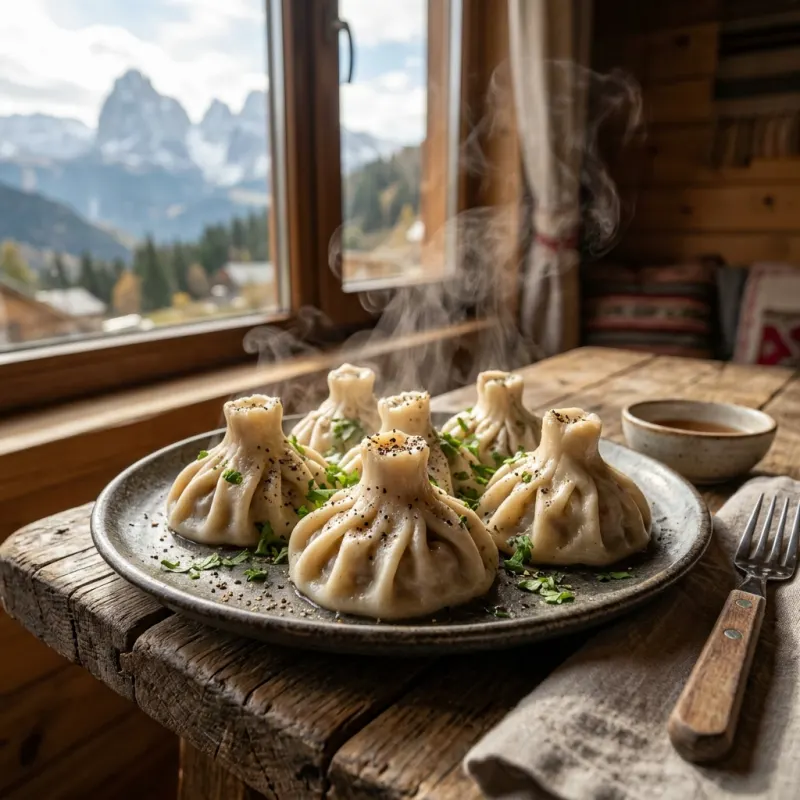
Mokhevian Khinkali - Regional mountain dumplings filled with coarse-minced beef, pork, and wild mountain herbs, folded into thick pleated dough pockets that hold a steaming, aromatic broth. They are consumed exclusively by hand, biting a small opening to drink the savory juices before eating the rest.
Authentic Mokhevian Khinkali mountain dumplings on a rustic wooden table with mountain views

Maya’s Final Checklist for Juta

Logistics shouldn’t be the focus of your trip—the experience should. I’ve hand-vetted these essential partners to ensure your arrival, stay, and exploration are as smooth as an Athenian breeze.

Maya, the human travel expert at TravelingWiz, offering curated, non-AI expertise

Where to Stay

Compare accommodation options and choose a stay that suits your plans and budget.

Air Travel

Compare flight options and find a route that fits your plans.

Local Guides

Connect with local guides for personalized help planning and exploring.

Travel Protection

The “Engineer’s” rule: always have a backup. Secure your trip with a plan that covers every “what if” and unexpected change.

Car Rentals

Compare rental options and choose a car that suits your trip.

Visa Information

Don’t let paperwork slow you down. Get expert assistance with your application to ensure all your entry documents are in order.

FAQs

Driving a standard two-wheel-drive sedan is not recommended. The final 8 kilometers of the road from Sno to Juta consists of unpaved, uneven gravel with rocks, potholes, and occasional washouts. A high-clearance 4WD vehicle (such as a Mitsubishi Delica or Toyota 4Runner) is standard practice.
Yes, Juta makes a straightforward day trip. The drive takes approximately 45 to 60 minutes each way, leaving 4 to 6 hours to hike from the car park up to the Chaukhi Lake and return before nightfall.
The walk begins with a very steep dirt and gravel incline gaining about 150 vertical meters over half a kilometer. It takes around 20 to 30 minutes of steady uphill walking with bags to reach the main plateau lodges.
Yes, clear mountain springs flow near the trail, but using a water filter or purification tablets is advised because free-grazing horses and cattle occupy the pastures throughout the summer.

Your Insights Matter

TravelingWiz grows through the stories of our community. If you’ve recently explored ,Juta share your tips and stories to help us perfect our guides for the next traveler.

Where should we send your offline card?

We hate spam just as much as you do

newsletter_consent *