Cologne's history dates back to the first century AD when it was established as a Roman provincial capital. Remnants of this ancient past can still be seen today, most notably at the Romano-Germanic Museum. Despite suffering heavy destruction during World War II, the city was meticulously rebuilt, preserving its historical layout while integrating modern infrastructure. Today, Cologne is a major cultural and media hub in Germany, known for its vibrant arts scene, numerous galleries, and international trade fairs.
The city's identity is deeply intertwined with the Rhine River, which serves as a vital commercial artery and a picturesque backdrop for recreation. Locals and tourists alike flock to the riverbanks to enjoy parks, promenades, and boat cruises. Cologne is also famous for its distinct local dialect (Kölsch), its unique beer (also called Kölsch), and its spirited Carnival, which transforms the city into a massive, colorful celebration every winter.
Reasons to Visit
- Cologne Cathedral: Marvel at Germany's most visited landmark and a masterpiece of Gothic architecture.
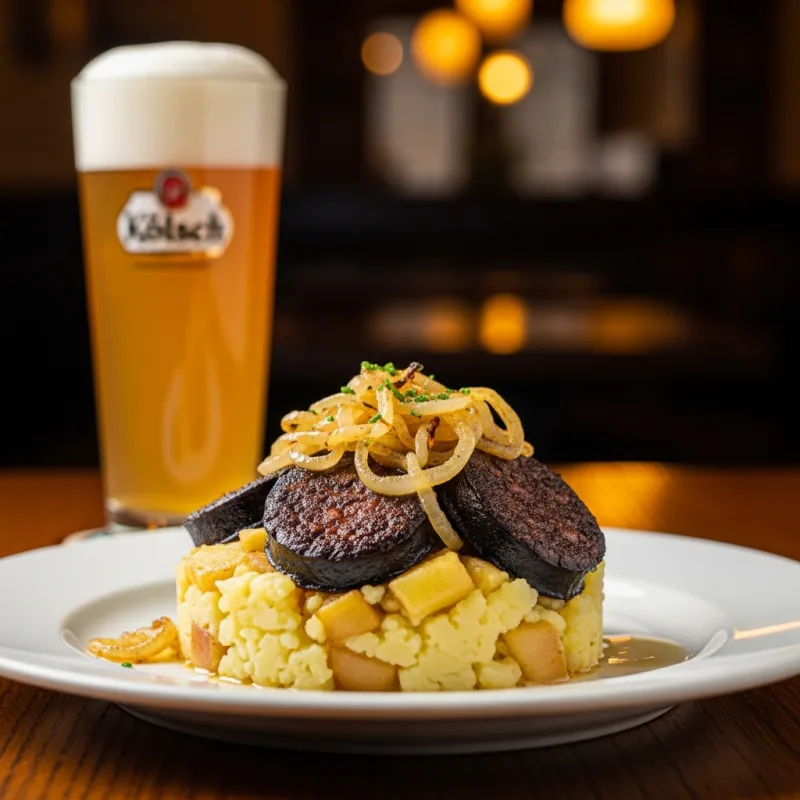
- Brauhaus Culture: Experience the unique tradition of drinking Kölsch beer in lively, historic pubs.
- Museums: Explore world-class institutions like the Museum Ludwig (modern art) and the Imhoff-Schokoladenmuseum (Chocolate Museum).
- Rhine River: Enjoy scenic boat cruises, riverside walks, and panoramic views from the Rheinpark.
- Historic Old Town: Wander through charming alleys, colorful houses, and vibrant squares like Alter Markt.
Things to Avoid
- Walking in bike lanes: Cyclists in Cologne move fast; always check before stepping onto the red-paved bike paths.
- Ordering a large beer: Embrace the local culture by drinking Kölsch from the traditional small 0.2L glasses.
- Eating right next to the Cathedral: Restaurants immediately surrounding the Dom are often overpriced tourist traps; walk a few streets away for better quality and value.
- Forgetting cash: Don't assume every place takes cards, especially small bakeries and traditional pubs.
Local Transportation Tips
Cologne boasts a highly efficient and comprehensive public transportation network operated by the KVB. The system includes trams (U-Bahn/Stadtbahn) and buses that cover the entire city and surrounding suburbs. For longer distances or trips to neighboring cities, the S-Bahn and regional trains from the Hauptbahnhof (Central Station) are incredibly convenient. The city center is compact and very walkable, making it easy to explore major sights on foot. Bicycles are also a popular mode of transport, with numerous rental options available.
Travel Etiquette
- Tipping: It is customary to tip around 5-10% in restaurants and cafes. Hand the tip directly to the server when paying, rather than leaving it on the table.
- Drinking Kölsch: The waiter (Köbes) will continue bringing you fresh glasses of Kölsch until you place your coaster on top of your glass to signal you are finished.
- Cheers: When saying 'Prost' (cheers), it is essential to make eye contact with the person you are clinking glasses with.
- Quiet Sundays: Most shops and supermarkets are closed on Sundays, which is traditionally a day of rest. Plan your shopping accordingly.
Recommended Age Group
Cologne is a versatile destination that caters to a wide range of travelers, offering everything from interactive museums to historic architecture and vibrant nightlife.
- Babies (0-2 years): Neutral. While the city is generally stroller-friendly, crowded tourist areas and narrow Old Town streets can be challenging to navigate.
- Kids (3-12 years): Recommended. Children will love the interactive Chocolate Museum, the Cologne Zoo, and the spacious parks along the Rhine.
- Teens (13-19 years): Recommended. Teens can enjoy the vibrant shopping districts, modern art museums, and the lively, youthful atmosphere of the city.
- Adults (20-64 years): Recommended. Adults will appreciate the rich history, excellent dining, traditional brauhauses, and dynamic nightlife.
- Seniors (65+ years): Recommended. The city center is mostly flat and walkable, public transport is accessible, and river cruises offer a relaxing way to sightsee.
Accessibility Level: Medium
- Most U-Bahn and S-Bahn stations are equipped with elevators and tactile paving for visually impaired travelers.
- The Cologne Cathedral is wheelchair accessible on the main floor, though the tower climb is not.
- Many major museums, including the Museum Ludwig and the Chocolate Museum, are fully accessible with ramps and elevators.
- The Old Town has some cobblestone streets which may be bumpy for wheelchair users, but the Rhine promenade is smooth and easy to navigate.
Did You Know?
Cologne is the birthplace of 'Eau de Cologne' (Water of Cologne). It was invented in 1709 by Italian expatriate Johann Maria Farina, who named his citrus-scented creation in honor of his new hometown. The famous brand 4711, named after the house number assigned during the French occupation, later popularized the fragrance globally.
Cool Statistics
- The Cologne Cathedral took over 600 years to build, starting in 1248 and finishing in 1880.
- The Cathedral's twin spires stand at 157 meters (515 feet) tall, making it the tallest twin-spired church in the world.
- Cologne has over 3,000 pubs, bars, and restaurants, offering one of the highest densities of eateries in Germany.
- The city's Roman history is so rich that construction projects frequently unearth ancient artifacts and ruins.






Buy a compatible power adapter for your trip