Disclosure: This site contains affiliate links. We may earn a commission if you make a purchase, at no extra cost to you.

Germany

Basic Info

COUNTRY & Region

Germany,
Europe

ACCESSIBILITY LEVEL​

  • High: Widely accessible with good facilities for disabilities.
  • Medium: Some accessible options, but limitations exist.
  • Low: Limited accessibility; many barriers for disabilities.
High

LOCAL CURRENCY​

Euro (EUR)

Price Level

Low – budget‑friendly basics

Medium – moderate mid‑range costs

High – pricey lodging, dining & transport

Medium

SAFETY LEVEL

5 shields = Excellent – very low crime or conflict.

4 shields = Safe – low risk, routine care.

3 shields = Relatively safe – use normal street smarts.

2 shields = Use caution – higher crime or periodic unrest.

1 shields = Avoid – active conflict or extreme danger.

Scores are derived from multi-year peace, homicide and security indices blended into a single 1-to-5 scale.

Recommended Duration

1-7 days, More than a week

Germany Overview & Key Highlights

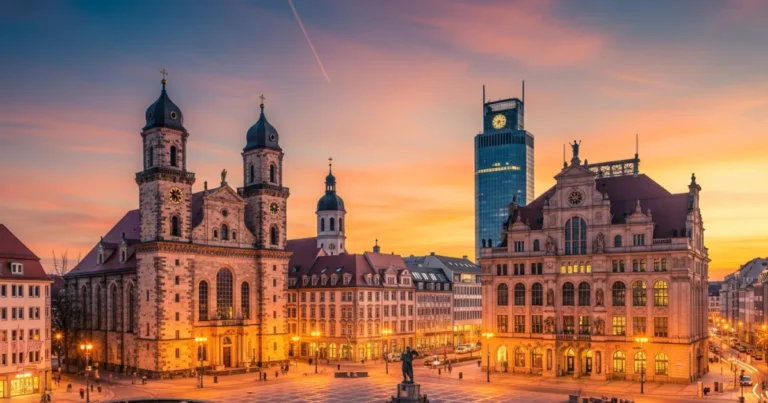
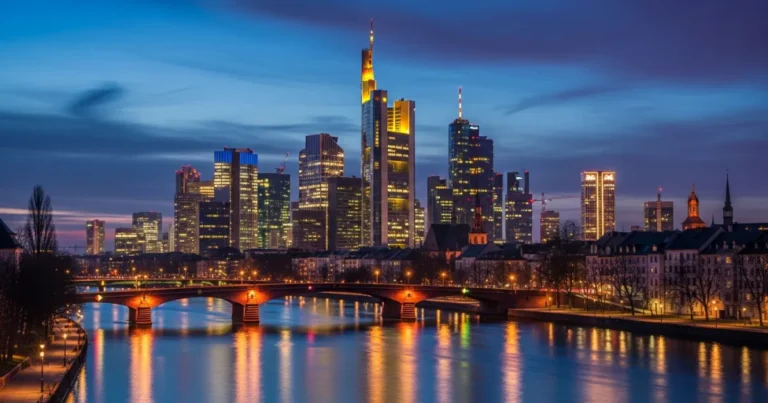
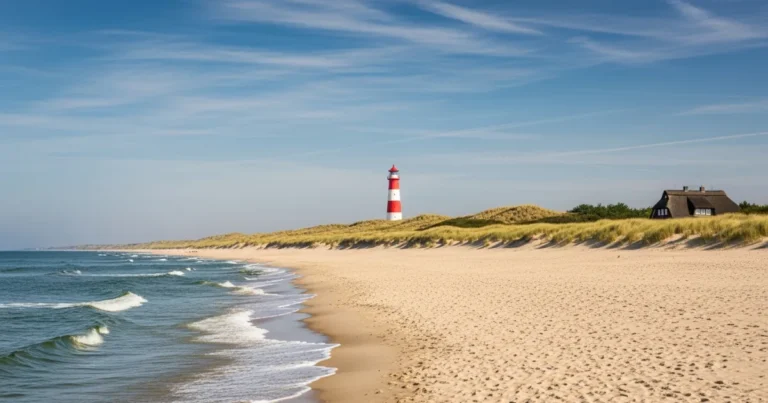
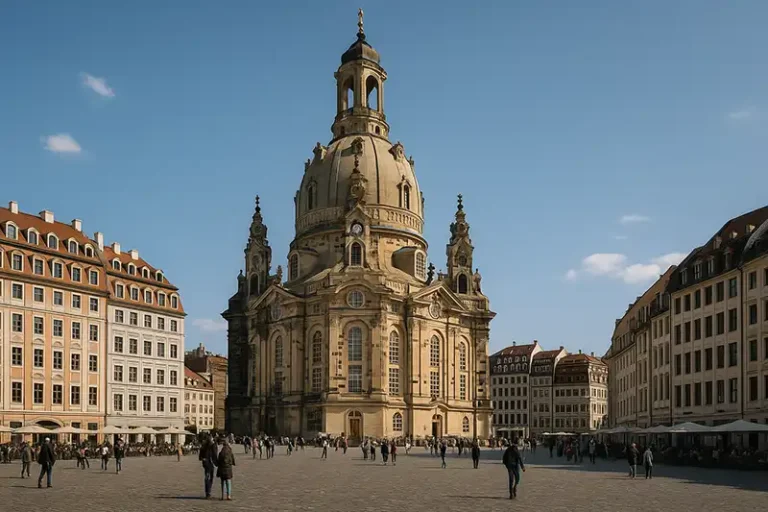
Germany offers a diverse array of attractions, from historic cities and medieval towns to scenic landscapes and cultural landmarks. Visitors can explore architectural marvels, immerse themselves in rich history, and enjoy the country's natural beauty.

Germany Travel Guide: Logistics & In-Depth Tips

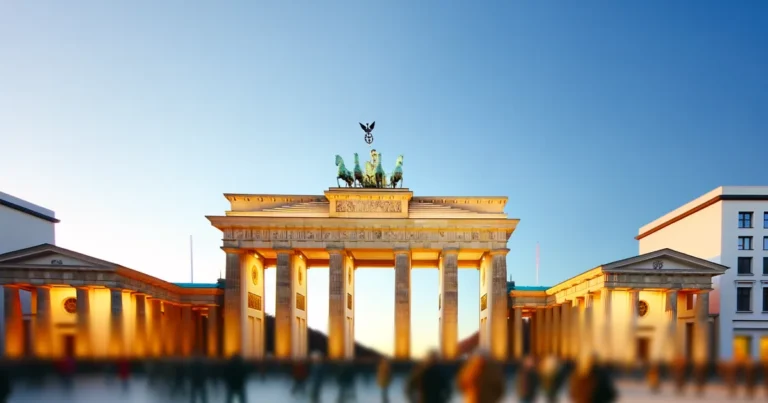
Germany's capital, Berlin, is renowned for its vibrant arts scene and modern landmarks like the Brandenburg Gate and the Reichstag building. Munich, in the south, is famous for its Oktoberfest and beer halls, including the 16th-century Hofbräuhaus. The country is also home to numerous UNESCO World Heritage sites, such as the Cologne Cathedral and the Würzburg Residence.


Reasons to Visit

  • Explore historic cities with rich cultural heritage.
  • Experience world-class museums and art galleries.
  • Enjoy diverse natural landscapes, from the Bavarian Alps to the Black Forest.
  • Participate in traditional festivals like Oktoberfest.
  • Savor a variety of regional cuisines and beverages.


Things to Avoid

  • Avoid assuming all establishments accept credit cards; carry some cash.
  • Avoid jaywalking; adhere to pedestrian signals.
  • Avoid discussing sensitive historical topics without understanding local perspectives.


Did You Know?

Germany is home to over 20,000 castles, many of which are open to the public and offer a glimpse into the country's medieval past.

Cool Germany Stats

  • Germany boasts over 1,500 types of sausages, reflecting its rich culinary diversity.
  • The country has more than 6,000 museums, covering a wide range of topics and interests.
  • Germany is a global leader in automotive engineering, home to brands like Volkswagen, BMW, and Mercedes-Benz.


Accessibility Level: High

Germany is known for its well-developed infrastructure, including accessible public transportation, accommodations, and public facilities, making it suitable for travelers with various accessibility needs.


Recommended Age Group

Germany is most suitable for Adults and Seniors due to its rich cultural heritage, historical sites, and well-developed infrastructure.

  • Babies (0-2 years): Recommended; Germany is highly stroller-friendly with excellent nursery facilities in public spaces.
  • Kids (3-12 years): Recommended; world-class theme parks like Europa-Park and fairytale castles are ideal for children.
  • Teens (13-19 years): Recommended; safe public transport and vibrant urban culture in cities like Berlin appeal to older children.
  • Adults (20-64 years): Recommended for adults interested in cultural and historical exploration.
  • Seniors (65+ years): Recommended due to the country's accessibility and cultural offerings.

Address:

Germany

Find Nearby Accommodations

Electricity

220-240V, 
50Hz

Plug Type

Type C (Round pin), Type F (Two round pins with earth clips)
Plug types
Click To View Plug Types
Germany is part of our
Accessible Travel collection

Want a deeper experience in Germany?

Explore private guides and find an experience that suits your interests.

Activities To Do In Germany

Best Time To Visit Germany

The best time to visit Germany is from May to September.

  • Spring (March-May): Mild temperatures and blooming landscapes make it ideal for sightseeing and outdoor activities.
  • Summer (June-August): Warm weather and longer days are perfect for festivals and exploring cities.
  • Autumn (September-November): Cooler temperatures and colorful foliage provide a picturesque setting, especially in wine regions.
  • Winter (December-February): Cold temperatures and snow in some regions; a great time for Christmas markets and winter sports.

Average Temperatures Per Month

Average monthly temperaturesMonthly source values, with Celsius and Fahrenheit equivalents in the following data table.-5°23°3°37°10°50°18°64°25°77°JanJan: 2°C / 36°FFebFeb: 3°C / 37°FMarMar: 5°C / 41°FAprApr: 7°C / 45°FMayMay: 12°C / 54°FJunJun: 18°C / 64°FJulJul: 18°C / 64°FAugAug: 19°C / 66°FSepSep: 15°C / 59°FOctOct: 11°C / 52°FNovNov: 5°C / 41°FDecDec: 3°C / 37°F
View temperature data
Average monthly temperatures
Month°C°F
Jan236
Feb337
Mar541
Apr745
May1254
Jun1864
Jul1864
Aug1966
Sep1559
Oct1152
Nov541
Dec337

Remember to check the weather forecast a few days before the trip and before heading to the airport.

Safety Level

5 shields = Excellent – very low crime or conflict.

4 shields = Safe – low risk, routine care.

3 shields = Relatively safe – use normal street smarts.

2 shields = Use caution – higher crime or periodic unrest.

1 shields = Avoid – active conflict or extreme danger.

Scores are derived from multi-year peace, homicide and security indices blended into a single 1-to-5 scale.

Germany is generally very safe for tourists, with low rates of violent crime and reliable infrastructure. Remain vigilant against pickpocketing and luggage theft in busy transit hubs, major railway stations (Hauptbahnhöfe), and crowded tourist attractions. Always carry a valid form of photo identification, as German authorities periodically conduct spot identity checks, especially near borders and major transport hubs.

The rating is based on multi-year peace, crime, and security indices. Before you go, always verify current conditions through official government travel advisories.

Emergency Numbers

Police: 112 (Universal) / 110
Ambulance: 112 (Universal)

No internet needed • Includes local translations • Free for TravelingWiz readers

Spoken Languages

The official language is German, but English is widely spoken in tourist areas, especially in larger cities.
Travel Booking Partner - TravelingWiz

Learn The Language

  • Hello – Hallo
  • Goodbye – Auf Wiedersehen / Tschüss
  • Thank you – Danke
  • Please – Bitte
  • Excuse me – Entschuldigung
  • How much does it cost? – Wie viel kostet das?
  • Where is the bathroom? – Wo ist die Toilette?
  • I don’t speak German – Ich spreche kein Deutsch
  • Can you help me? – Können Sie mir helfen?
  • Do you speak English? – Sprechen Sie Englisch?

Trip Cost & Budgeting for Germany, 2026

Everything you need to know about money while traveling
Is Germany expensive for tourists in 2026? Germany offers moderate costs compared to neighboring Western European nations. Based on Human Verified prices, you can expect to pay around 3.80 EUR for a cappuccino, 4.50 EUR for a pint of domestic beer, and 20 EUR for a main meal at a mid-range restaurant. While major hubs like Munich are pricier, smart planning keeps expenses reasonable. Use the data table below to calculate your specific daily budget based on your travel style.

LOCAL CURRENCY​:

Euro (EUR)

Price Level:

Low – budget‑friendly basics

Medium – moderate mid‑range costs

High – pricey lodging, dining & transport

Medium

Cards Vs. Cash

Cards are widely accepted, but cash is still essential for small bakeries, public toilets, and traditional kiosks.

How Much Cash to Carry (on you)

Per person, per day – pocket cash for small purchases.

Local: 18
Euro (EUR)
≈ 21 USD

Average Daily Costs (per person)

Full daily spend estimation (accommodation, food, transportation, attractions).

Travel Style
Euro (EUR)
≈ USD ($)
Budget
100
116
Mid-range
180
209
Comfort
400
464
Note

The Prices, Daily costs, and calculator results are estimates for planning purposes only. Actual costs may vary based on season, booking timing, personal spending habits, and currency fluctuations. TravelingWiz cannot be held responsible for discrepancies between these estimates and your final trip expenses.

Best Value Tips

  • * Buy regional transit day passes or local transport day tickets for huge savings on public transportation.
  • * Eat lunch specials (Mittagstisch) at sit-down restaurants or grab quick bites at local bakeries and imbiss stands.
  • * Return empty plastic bottles and cans to supermarket vending machines to claim back your Pfand cash deposit.
  • * Book Deutsche Bahn intercity train tickets weeks in advance to secure discount Sparpreis fares.

Travel Offers & Coupons

Browse travel offers and coupons from our affiliate partners.
Affiliate partner offers

What To Pack

  • Comfortable walking shoes for exploring cities and historical sites.
  • A light raincoat or umbrella, as weather can be unpredictable.
  • A universal power adapter for electronic devices.
  • Season-appropriate clothing, considering regional climate variations.
Only the good stuff!
Browse recommended travel gear
Check out our free packing list tool

Recommended Itineraries for Traveling to Germany

Take your itinerary with you

Choose a ready-made itinerary, plan your own trip, and keep TravelingWiz by your side while you travel.

Get the TravelingWiz app

Maya’s Final Checklist for Germany

Logistics shouldn’t be the focus of your trip—the experience should. I’ve hand-vetted these essential partners to ensure your arrival, stay, and exploration are as smooth as an Athenian breeze.

Maya, the human travel expert at TravelingWiz, offering curated, non-AI expertise

Where to Stay

Compare accommodation options and choose a stay that suits your plans and budget.

Air Travel

Compare flight options and find a route that fits your plans.

Local Guides

Connect with local guides for personalized help planning and exploring.

Travel Protection

The “Engineer’s” rule: always have a backup. Secure your trip with a plan that covers every “what if” and unexpected change.

Car Rentals

Compare rental options and choose a car that suits your trip.

Visa Information

Don’t let paperwork slow you down. Get expert assistance with your application to ensure all your entry documents are in order.

FAQs

The best time to visit Germany is from May to September for warm weather, outdoor activities, and festivals. Winter is great for Christmas markets and skiing.
Citizens of the EU, US, Canada, Australia, and several other countries can visit Germany visa-free for up to 90 days within 180 days. Check visa requirements before traveling.
Yes, Germany has an excellent public transportation system, including trains, buses, and trams. The Deutsche Bahn (DB) rail network connects major cities efficiently.
Must-try German foods include bratwurst (sausage), schnitzel, pretzels, sauerkraut, and traditional cakes like Black Forest cake.
Germany is famous for its castles, beer culture, Oktoberfest, Christmas markets, historic cities, the Autobahn, and high-quality engineering (cars like BMW, Mercedes, and Volkswagen).
Germany has a moderate price level, with budget, mid-range, and luxury options available. Cities like Munich are pricier, while Berlin offers more affordable travel options.
Dress according to the season. Summers are warm but not extremely hot, while winters can be very cold, requiring heavy coats. Germans typically dress in a stylish yet practical manner.
Yes, you can safely drink tap water throughout Germany. Tap water is strictly regulated and meets high safety and hygiene standards across the country. Carrying a reusable water bottle during your daily sightseeing is practical and cost-effective, though be aware that sit-down restaurants will almost always serve bottled water for a fee rather than complimentary tap water.
Yes, you should always carry some cash when exploring Germany. Although major retailers, hotels, and department stores accept credit and debit cards, traditional restaurants, bakeries, public toilets, and small street kiosks often operate on a cash-only basis. Keeping a reserve of physical money on hand will prevent inconvenience during your daily travels.

Your Insights Matter

TravelingWiz grows through the stories of our community. If you’ve recently explored ,Germany share your tips and stories to help us perfect our guides for the next traveler.

Where should we send your offline card?

We hate spam just as much as you do

newsletter_consent *