Browse:
>
>
>
Bavaria

Bavaria Overview & Key Highlights

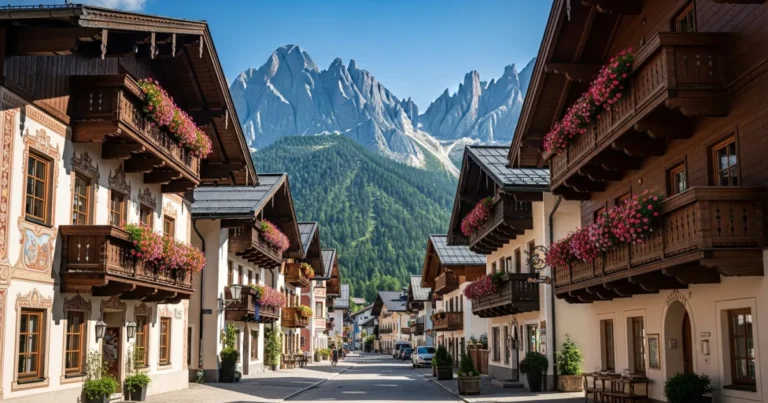
Bavaria, a southeastern German state, is a land of captivating contrasts. From the majestic Alps to rolling hills dotted with vineyards, and from bustling cities to quaint, fairytale villages, Bavaria offers a diverse range of experiences for every traveler. Steeped in history and tradition, Bavaria is renowned for its rich cultural heritage, stunning architecture, and world-famous beer culture. Whether you're exploring medieval castles, hiking through breathtaking landscapes, or indulging in hearty Bavarian cuisine, this region promises an unforgettable journey. Bavaria's allure extends beyond its natural beauty and historical landmarks. The region is a vibrant hub of innovation and modern industry, seamlessly blending tradition with progress. Visitors can immerse themselves in the local culture through lively festivals, traditional music, and warm hospitality. With its efficient infrastructure and welcoming atmosphere, Bavaria is an ideal destination for both first-time visitors and seasoned travelers seeking an authentic and enriching European experience. Discover the magic of Bavaria, where history, nature, and culture converge to create a truly remarkable destination.

Essential Bavaria Logistics & In-Depth Travel Tips

Bavaria, Germany's largest state, is a captivating blend of natural beauty, rich history, and vibrant culture. From the majestic Alps in the south to the rolling hills and vineyards of Franconia in the north, Bavaria offers a diverse landscape that appeals to every traveler. The region is home to iconic landmarks such as Neuschwanstein Castle, the inspiration for Disney's fairytale castles, and the historic city of Munich, known for its world-famous beer gardens and cultural attractions. Bavaria's charm extends beyond its famous sights, with countless picturesque villages, charming towns, and hidden gems waiting to be discovered. Whether you're seeking outdoor adventures, cultural experiences, or simply a relaxing getaway, Bavaria promises an unforgettable journey.

Reasons to Visit

  • Explore fairytale castles like Neuschwanstein and Hohenschwangau.
  • Experience the vibrant culture of Munich, including its beer gardens and museums.
  • Hike or ski in the stunning Bavarian Alps.
  • Drive along the scenic Romantic Road, visiting charming towns and villages.
  • Attend the world-famous Oktoberfest beer festival.
  • Discover the region's rich history and traditions.
  • Indulge in hearty Bavarian cuisine and local beers.
  • Visit the historic city of Nuremberg, known for its medieval architecture.
  • Explore the beautiful lakes and forests of the Bavarian countryside.
  • Enjoy the festive atmosphere of the Christmas markets in winter.

Things to Avoid

  • Visiting during peak season (summer and Oktoberfest) if you prefer fewer crowds.
  • Underestimating the cost of accommodation and activities in popular tourist areas.
  • Relying solely on English, especially in smaller towns and villages.
  • Missing out on the local cuisine and beer culture.
  • Not booking accommodation and tours in advance, especially during peak season.
  • Ignoring the weather forecast, as conditions can change rapidly in the mountains.
  • Disrespecting local customs and traditions.
  • Overpacking, as public transportation can be crowded.
  • Not carrying cash for smaller establishments and markets.
  • Forgetting to validate your train tickets before boarding.

Local Transportation Tips

Bavaria has an excellent public transportation system, making it easy to get around without a car. The regional train network is extensive and efficient, connecting major cities and smaller towns. Buses and trams are also available in urban areas. The Bayern Ticket offers unlimited travel on regional trains within Bavaria for a day, making it a cost-effective option for exploring the region. Rental cars are available, but parking can be limited and expensive in cities.

Travel Etiquette

  • Be punctual, as Germans value timeliness.
  • Greet people with a handshake and direct eye contact.
  • Use formal titles (Herr and Frau) unless invited to use first names.
  • Be mindful of noise levels, especially in residential areas.
  • Respect personal space and avoid loud conversations in public places.
  • Tip service staff (around 5-10%) in restaurants and bars.
  • Dress appropriately when visiting religious sites.
  • Be aware of local customs and traditions.
  • Recycle and dispose of waste properly.
  • Be respectful of the environment and wildlife.

Recommended Age Group

Bavaria is a fantastic destination for travelers of all ages, offering a wide array of activities and attractions to suit diverse interests and abilities. From historical sites to outdoor adventures, there's something for everyone to enjoy.

  • Babies (0-2 years): Neutral. While Bavaria is family-friendly, traveling with babies requires careful planning. Consider stroller-friendly routes and accommodations with baby facilities.
  • Kids (3-12 years): Recommended. Bavaria offers numerous kid-friendly attractions, such as theme parks, zoos, and castles. Many restaurants have children's menus, and public transportation is generally easy to navigate with kids.
  • Teens (13-19 years): Recommended. Teens will enjoy the outdoor activities, historical sites, and cultural experiences that Bavaria has to offer. Cities like Munich provide opportunities for shopping and entertainment.
  • Adults (20-64 years): Recommended. Bavaria is an ideal destination for adults, with its rich history, vibrant culture, and stunning landscapes. There are plenty of opportunities for exploration, relaxation, and adventure.
  • Seniors (65+ years): Recommended. Bavaria is well-suited for senior travelers, with its accessible transportation, comfortable accommodations, and numerous cultural attractions. Consider joining guided tours for a more relaxed experience.

Accessibility Level: Medium

  • Many cities in Bavaria offer accessible public transportation options, including buses and trains with ramps or lifts.
  • Major tourist attractions, such as Neuschwanstein Castle and Munich's museums, have accessibility features like ramps, elevators, and accessible restrooms.
  • Accessible accommodation options are available in most cities and towns, but it's recommended to book in advance.
  • Some hiking trails in the Bavarian Alps are accessible to wheelchair users, but it's important to check the trail conditions beforehand.
  • Guided tours specifically designed for travelers with disabilities are available in some cities.
  • The German National Tourist Board provides information on accessible travel in Bavaria.
  • It's advisable to contact attractions and accommodations in advance to confirm accessibility features and make necessary arrangements.
  • Consider using a travel agency specializing in accessible travel for assistance with planning your trip.

Did You Know?

Bavaria is home to the world's oldest brewery, Weihenstephan, which was founded in 1040. The state also has its own distinct dialect of German, which can be difficult for non-Bavarians to understand. Bavaria was an independent kingdom until 1871, when it joined the German Empire. The state's flag features blue and white diamonds, which are also a symbol of Bavaria's identity.

Cool Statistics

  • Bavaria is the largest state in Germany, covering an area of over 70,500 square kilometers.
  • The population of Bavaria is approximately 13 million people.
  • Munich, the capital of Bavaria, is the third-largest city in Germany.
  • Bavaria is home to the highest mountain in Germany, the Zugspitze, which stands at 2,962 meters.
  • Oktoberfest, the world's largest beer festival, is held annually in Munich.

Address:

Bavaria, Germany

Find Nearby Accommodations

Basic Info

address icon

COUNTRY & Region

Germany,
Europe
Medium
Currency icon

LOCAL CURRENCY​

Euro (EUR)
Price level icon
Medium
Safety Level icon
Duration icon

Recommended Duration

• Full day
• Overnight
• 1-7 days
• More than a week

Electricity

electricity icon

Electricity

220-240V,
50Hz
Plug Socket icon

Plug Type

• Type C (Round pin)
• Type F (Two round pins with earth clips)
Plug types
Click To View Plug Types

Things To Do In Bavaria

Total: 13

Activities To Do In Bavaria

Best Time To Visit

The best time to visit Bavaria depends on your interests. Summer (June-August) offers warm weather ideal for hiking and outdoor activities, but it's also the peak tourist season. Spring (April-May) and autumn (September-October) provide pleasant temperatures and fewer crowds, making them great times for sightseeing and exploring the countryside. Winter (November-March) is perfect for Christmas markets and winter sports in the Alps.

  • Spring (April-May): Mild weather, blooming flowers, fewer crowds.
  • Summer (June-August): Warm and sunny, ideal for outdoor activities, but crowded.
  • Autumn (September-October): Pleasant temperatures, colorful foliage, wine festivals.
  • Winter (November-March): Christmas markets, skiing in the Alps, festive atmosphere.

Remember to check the weather forecast a few days before the trip and before heading to the airport.

Safety Level icon

SAFETY Level

Bavaria is generally a safe destination for travelers. However, it's always wise to take precautions to protect yourself from petty theft, especially in crowded areas. Be aware of your surroundings, keep your valuables secure, and avoid walking alone in poorly lit areas at night.

The rating is based on multi-year peace, crime, and security indices. Before you go, always verify current conditions through official government travel advisories.

Emergency Numbers

No internet needed • Includes local translations • Free for TravelingWiz readers

Spoken Languages

The official language of Bavaria is German. English is widely spoken in tourist areas, but learning a few basic German phrases can enhance your experience.

Learn The Language

  • Guten Tag (Good day)
  • Auf Wiedersehen (Goodbye)
  • Bitte (Please)
  • Danke (Thank you)
  • Entschuldigung (Excuse me)
  • Sprechen Sie Englisch? (Do you speak English?)
  • Was kostet das? (How much does it cost?)
  • Ich verstehe nicht (I don’t understand)

Trip Cost & Budgeting for Bavaria, 2026

Everything you need to know about money while traveling
Is Bavaria expensive for tourists in 2026? Bavaria is a moderately expensive destination, especially compared to other German cities. Expect to pay around €3.50 for a cappuccino, €5.00 for a pint of domestic beer, and €20 for a standard main meal in a mid-range restaurant. These are Human Verified prices to help set realistic expectations for your trip. Use the data table below to calculate your specific daily budget based on your travel style.
Currency icon

LOCAL CURRENCY​:

Euro (EUR)
Price level icon
Medium
Credit cards are widely accepted in urban areas, but cash is essential for smaller vendors and rural regions.

Per person, per day – pocket cash for small purchases.

Local: 30
Euro (EUR)
≈ 35 USD

Full daily spend estimation (accommodation, food, transportation, attractions).

Travel Style
Euro (EUR)
≈ USD ($)
Budget
90
106
Mid-range
160
188
Comfort
350
412

The Prices, Daily costs, and calculator results are estimates for planning purposes only. Actual costs may vary based on season, booking timing, personal spending habits, and currency fluctuations. TravelingWiz cannot be held responsible for discrepancies between these estimates and your final trip expenses.

  • Eat at bakeries and street food stalls for cheaper meals.
  • Utilize public transport day passes, which are efficient and cost-effective.
  • Consider visiting during shoulder seasons (April-May, September-October) for lower accommodation prices.
  • Carry small denominations of cash for small purchases and places that might not accept cards.

Pre-Order Tickets

Avoid disappointment when tickets sell out — and skip the long lines by booking online in advance. You’ll often save up to 20% too.
Save up to 20%

Travel Discounts & Coupons

Save on hotels, attractions, transport, and gear — find verified discounts for smarter travel spending.
Verified Coupons

What To Pack

  • Comfortable walking shoes are essential for exploring cities and hiking trails.
  • Pack layers, as the weather can be unpredictable, especially in the mountains.
  • A light rain jacket or umbrella is recommended, as rain showers are common.
  • Don't forget sunscreen and a hat for sunny days, especially during the summer months.
  • Bring a reusable water bottle to stay hydrated while exploring.
  • A universal adapter is necessary for charging electronic devices.
  • Pack a small backpack for day trips and carrying essentials.
  • Consider bringing a phrasebook or translation app for easier communication.

Recommended Itineraries for this Destination

Food & Drink Highlights

Local Food Overview

Bavarian cuisine is hearty and flavorful, featuring dishes made with meat, potatoes, and bread. Traditional Bavarian meals are often accompanied by beer, which is an integral part of the region's culture.
Schweinshaxe

Must Try Dish

Schweinshaxe - This crispy pork knuckle is a Bavarian specialty, known for its succulent meat and crackling skin. Often served with potato dumplings and sauerkraut, it's a must-try for meat lovers.

Food Experiences

No food experience found

GetReady

Plan your trip seamlessly with our trusted partners and expert guidance. Follow these steps to book everything you need or connect with a local tour guide for personalized support

Step 1: Find the Perfect Accommodation

Explore a wide range of hotels, boutique stays, and vacation rentals to suit every traveler’s needs and budget. From luxury options to cozy family stays, find the best place for your trip.

Step 2: Book Your Flights

Secure the best flight deals for your destination. With our trusted partners, booking flights is quick and hassle-free.

Step 3: Let a Tour Guide Help

Not sure where to start? A professional local tour guide can create a customized itinerary or assist you in planning your trip. Make your journey seamless and stress-free.

Step 4: Rent a Car

Travel at your own pace by renting a car. Whether you’re exploring cities or embarking on a road trip, find reliable and convenient car rental options.

Step 5: Get Travel Insurance

Protect yourself and your loved ones with comprehensive travel insurance. Our partners offer plans to cover every aspect of your journey.

Step 6: Need a Visa?

Check visa requirements for your destination and apply quickly with trusted services. Simplify the process and ensure you’re ready to travel without delays.

FAQs

Bavaria has an excellent public transportation system, including trains, buses, and trams. The Bayern Ticket is a great option for unlimited travel on regional trains.
Popular attractions include Neuschwanstein Castle, Munich’s Marienplatz, the Bavarian Alps, and the Romantic Road.
The local currency in Bavaria is the Euro (EUR).
Bavaria is generally very safe with low crime rates, making it an excellent destination for tourists. However, like any popular travel spot, it’s wise to be aware of your surroundings, especially in crowded areas like major train stations or popular festival grounds (e.g., Oktoberfest) where petty theft can occur. Keep an eye on your belongings, use common sense, and avoid walking alone in poorly lit areas late at night. For outdoor activities like hiking, inform someone of your plans and check weather conditions.
In case of an emergency in Bavaria, the most important numbers to remember are: 112: For immediate police, fire brigade, or ambulance services (this is the universal European emergency number). 110: Direct line for the police. These numbers are free to call from any phone, including mobile phones without a SIM card or credit. Clearly state your location and the nature of the emergency. If you need non-emergency medical advice, you can contact a local doctor or pharmacist (“Apotheke”). It’s also wise to have your travel insurance details handy.
While traditional Bavarian cuisine is often meat-heavy, finding vegetarian and increasingly vegan options is becoming much easier, especially in larger cities like Munich, Nuremberg, and Augsburg. Most restaurants will offer at least one vegetarian dish, and many modern eateries are catering to plant-based diets. Look for “vegetarisch” (vegetarian) or “vegan” on menus. Health food stores and supermarkets also stock a good range of suitable products if you plan to self-cater.
Staying connected in Bavaria is easy. You can purchase a local prepaid SIM card from providers like Vodafone, Telekom, or O2, available at mobile stores, supermarkets, or even airports. Ensure your phone is unlocked before you travel. Alternatively, consider using an e-SIM for convenience. Wi-Fi is widely available in hotels, cafes, restaurants, and some public spaces, often for free. For consistent internet access on the go, a portable Wi-Fi hotspot is another option.
The official currency in Bavaria (and throughout Germany) is the Euro (€). While credit and debit cards are widely accepted in larger cities, hotels, and major attractions, it’s highly recommended to carry some cash, especially when visiting smaller towns, local markets, family-run restaurants, or for smaller purchases. ATMs are readily available for cash withdrawals, but inform your bank of your travel plans to avoid card issues.

Help Us Improve

If you visited
Bavaria
click here to share your tips and stories.

This will help us improve our guides for the entire travelers community.

Related Articles

Check out our related articles and blog posts to learn even more about the destination.

Don’t Travel Alone

Share with your friends and family

Where should we send your offline card?

We hate spam just as much as you do

newsletter_consent *