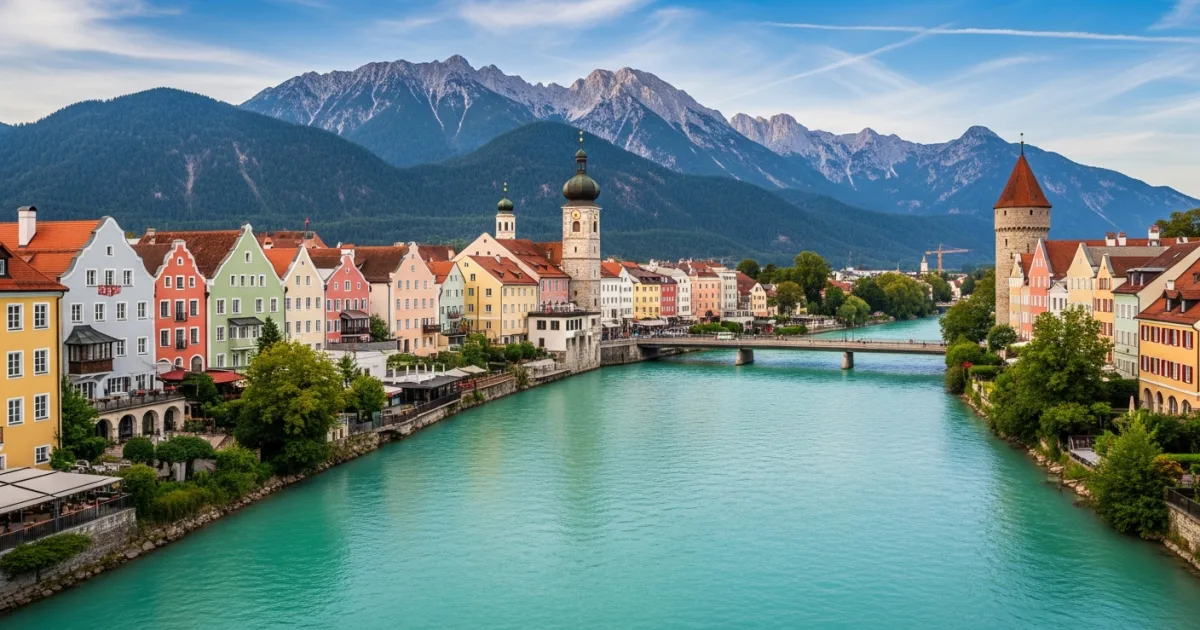
Füssen's history dates back to Roman times when it was a station on the Via Claudia Augusta, an important trade route crossing the Alps. Today, the town beautifully marries its rich historical tapestry with the breathtaking natural beauty of the Allgäu region. The historic center (Altstadt) is a maze of winding cobblestone streets, lined with colorful Gothic and Renaissance buildings that house quaint cafes, traditional Bavarian restaurants, and artisan shops.
Above the town sits the Hohes Schloss (High Castle), one of the best-preserved medieval castle complexes in Bavaria, notable for its fascinating trompe l'œil courtyard facades. Just below it is the former Benedictine Abbey of St. Mang, which now houses the Heritage Museum, showcasing Füssen's historical importance as a center for lute and violin making. Whether you are using Füssen as a base camp for royal castle explorations or seeking a tranquil alpine retreat, the town offers a deeply authentic German experience.
Reasons to Visit
- Gateway to Neuschwanstein: The closest major town to King Ludwig II's world-famous fairy-tale castle.
- Romantic Old Town: A beautifully preserved medieval center perfect for leisurely strolls and photography.
- Alpine Nature: Surrounded by majestic mountains and crystal-clear lakes like the Forggensee and Alpsee.
- Rich Musical Heritage: A historic center for lute and violin making, celebrated in the local museum.
- Outdoor Activities: Endless opportunities for hiking, cycling, and winter sports in the Allgäu Alps.
Things to Avoid
- Arriving Without Castle Tickets: Do not expect to buy Neuschwanstein tickets on the day; book well in advance.
- Ignoring the Town Itself: Many tourists only visit the castles and leave. Don't miss exploring Füssen's charming Old Town.
- Underestimating the Walk: The walk up to Neuschwanstein is steep. If you have mobility issues, plan to take the shuttle bus or horse-drawn carriage.
- Relying Solely on Cards: Always carry some cash, as smaller vendors and buses may not accept credit cards.
Local Transportation Tips
Füssen is highly walkable, and the historic Old Town is largely pedestrianized. To reach the castles in Hohenschwangau, local buses (Routes 73 and 78) run frequently from the Füssen train station. If you stay overnight in a local hotel, you will receive the Füssen Card, which grants free use of the regional bus network. Bicycles are also a very popular and scenic way to get around the surrounding lakes and countryside.
Travel Etiquette
- Greetings: It is polite to greet shopkeepers with a friendly 'Grüß Gott' or 'Hallo' when entering and 'Auf Wiedersehen' when leaving.
- Tipping: Service is included in restaurant bills, but it is customary to round up or add 5-10% for good service. Hand the tip directly to the server when paying.
- Punctuality: Germans value punctuality. If you have a booked tour time for the castles, arrive early; if you are late, you will lose your spot.
- Quiet Hours: Respect 'Ruhezeit' (quiet time) on Sundays and late evenings, keeping noise levels down in residential areas.
Recommended Age Group
Füssen offers a magical experience that appeals to a wide range of travelers, from young families to active seniors.
- Babies (0-2 years): Neutral. The town is peaceful, but cobblestone streets and steep castle paths can make stroller navigation challenging.
- Kids (3-12 years): Recommended. The fairy-tale castles, nearby lakes, and open nature trails provide a magical and active environment for children.
- Teens (13-19 years): Recommended. Excellent opportunities for outdoor adventures like biking and hiking, plus highly Instagrammable scenery.
- Adults (20-64 years): Recommended. A perfect blend of romantic history, Bavarian gastronomy, and outdoor sports.
- Seniors (65+ years): Recommended. The Old Town is flat and walkable, though utilizing shuttle buses or carriages is advised for visiting the hilltop castles.
Accessibility Level: Medium
- Old Town: The historic center is mostly flat, but the cobblestone streets can be uneven for wheelchair users.
- Castles: Neuschwanstein offers an elevator for wheelchair users, but it must be requested in advance. The path to the castle is very steep; specialized transport may be required.
- Public Transport: Most regional buses are equipped with ramps and are accessible for wheelchair users.
- Accommodation: Many modern hotels offer accessible rooms, but older, historic guesthouses may lack elevators. Always confirm with the property beforehand.
Did You Know?
Füssen is the highest town in Bavaria, sitting at an elevation of 808 meters (2,651 feet) above sea level. It is also the southern terminus of the famous 'Romantic Road' (Romantische Straße), a popular scenic route that stretches 460 kilometers from Würzburg in the north, showcasing quintessential German scenery and culture.
Cool Statistics
- Elevation: 808 meters (2,651 feet), making it Bavaria's highest town.
- Castle Visitors: Neuschwanstein Castle attracts over 1.4 million visitors annually.
- Lute Making: Füssen established Europe's first lute makers' guild in 1562.
- Lake Size: The nearby Forggensee is Bavaria's fifth-largest lake, but it is entirely man-made and drained every winter.







Buy a compatible power adapter for your trip