>
>
>
Saxony-Anhalt
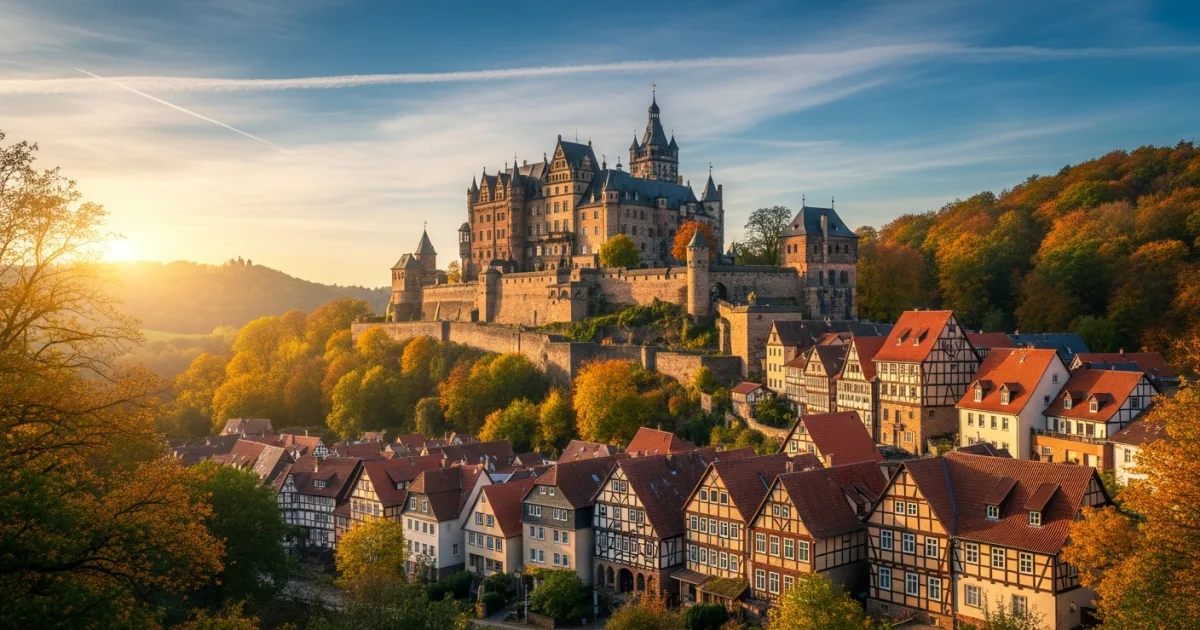
Panoramic view of Wernigerode Castle and the historic town below in Saxony-Anhalt, Germany, bathed in golden autumn light.

Intro

Saxony-Anhalt, nestled in the heart of Germany, is a region brimming with history, culture, and natural beauty. From the birthplace of the Reformation to the architectural marvels of Bauhaus, and the mystical landscapes of the Harz Mountains, this state offers a diverse tapestry of experiences for every traveler. It's a destination where ancient traditions meet modern innovation, inviting visitors to delve deep into Germany's rich heritage. This comprehensive guide will navigate you through Saxony-Anhalt's most captivating attractions, practical travel advice, and unique local insights. Whether you're a history enthusiast, an outdoor adventurer, or a connoisseur of local flavors, prepare to be enchanted by the charm and authenticity of this often-overlooked German gem. Discover its UNESCO World Heritage Sites, picturesque towns, and the warm hospitality of its people.

Additional Information

Saxony-Anhalt, a state in central Germany, is a treasure trove of history, art, and nature. It played a pivotal role in European history, notably as the cradle of the Reformation with Martin Luther's impactful work in Wittenberg. The region is also a beacon of modernism, home to the iconic Bauhaus school in Dessau, which revolutionized architecture and design. Beyond its historical and artistic significance, Saxony-Anhalt captivates with its diverse landscapes, from the rugged peaks and dense forests of the Harz Mountains to the serene river valleys and fertile plains. Its charming medieval towns, Romanesque cathedrals, and picturesque castles paint a vivid picture of centuries past, offering a journey through time. The state's commitment to preserving its heritage is evident in its numerous UNESCO World Heritage Sites, making it an ideal destination for those seeking depth and authenticity in their travels.

Reasons to Visit

  • Rich History & Culture: Explore UNESCO World Heritage Sites like Lutherstadt Wittenberg, Bauhaus Dessau, and the Garden Kingdom of Dessau-Wörlitz.
  • Stunning Nature: Discover the Harz Mountains, perfect for hiking, cycling, and winter sports, or enjoy the tranquil river landscapes.
  • Charming Medieval Towns: Wander through the cobblestone streets of Quedlinburg, Wernigerode, and Naumburg, admiring their half-timbered houses and historic architecture.
  • Architectural Marvels: Witness the groundbreaking design of the Bauhaus school and its influence on modern architecture.
  • Authentic Local Cuisine: Savor traditional German dishes and regional specialties, often accompanied by local beers or Saale-Unstrut wines.
  • Accessibility: Centrally located in Germany with good transport links, making it easy to combine with other German destinations.

Things to Avoid

  • Underestimating Travel Times: While distances aren't vast, public transport connections can sometimes be less frequent in rural areas. Plan your routes in advance.
  • Ignoring Local Opening Hours: Smaller museums, shops, and restaurants in less touristy areas might have limited opening hours, especially on Sundays or public holidays.
  • Not Booking Accommodation in Advance: During peak season or major events (e.g., Lutherstadt Wittenberg anniversaries, Christmas markets), popular accommodations can fill up quickly.
  • Forgetting Cash: While cards are accepted in many places, some smaller establishments, particularly in rural areas or markets, may prefer or only accept cash.
  • Disrespecting Historical Sites: Always be mindful and respectful when visiting churches, memorials, and other historical or religious sites.

Local Transportation Tips

Saxony-Anhalt is well-connected by a network of regional trains (RE, RB) and buses, making it possible to explore many key attractions without a car. The Deutsche Bahn (DB) operates the train services, offering various ticket options, including regional day tickets (Länder-Tickets) which can be very cost-effective for group travel. For more remote areas, a rental car provides the most flexibility, especially for exploring the Harz Mountains or the Saale-Unstrut wine region. Cycling is also a popular mode of transport, with numerous well-maintained bike paths crisscrossing the state. Within cities, local buses and trams are efficient for getting around.

Travel Etiquette

  • Punctuality: Germans value punctuality. If you have an appointment or reservation, try to be on time.
  • Greetings: A simple 'Hallo' (Hello) or 'Guten Tag' (Good day) is appropriate. When entering a small shop, a 'Guten Tag' is customary.
  • Tipping: Tipping is common but not obligatory. For good service in restaurants, rounding up the bill or adding 5-10% is standard.
  • Recycling: Germany has a strong recycling culture. Pay attention to separate bins for different types of waste.
  • Quiet Hours: Be mindful of 'Ruhezeiten' (quiet hours), especially in residential areas, typically from 10 PM to 6 AM and during midday on Sundays.
  • Formal Address: When addressing strangers or in formal settings, use 'Sie' (formal 'you') rather than 'du' (informal 'you') unless invited to do otherwise.

Recommended Age Group

Saxony-Anhalt offers a diverse range of attractions and activities, making it a suitable destination for travelers of all ages, from the youngest explorers to seasoned seniors.

  • Babies (0-2 years): Recommended. Many cities are stroller-friendly, and nature walks in parks or along river paths are pleasant. Family-friendly accommodations are available.
  • Kids (3-12 years): Recommended. Children will enjoy exploring castles, the Harz narrow-gauge railway, interactive museums, and the natural playgrounds of the Harz Mountains.
  • Teens (13-19 years): Recommended. Historical sites like Lutherstadt Wittenberg and Bauhaus Dessau offer educational insights, while outdoor activities in the Harz provide adventure. City exploration and local events can also be engaging.
  • Adults (20-64 years): Recommended. This age group will find a wealth of cultural, historical, and outdoor experiences, from art and architecture to hiking, wine tasting, and vibrant city life.
  • Seniors (65+ years): Recommended. The region's rich history, beautiful landscapes, and charming towns can be enjoyed at a comfortable pace. Many attractions are accessible, and scenic train rides or boat tours offer relaxed sightseeing.

Accessibility Level: Medium

  • Public Transportation: Major train stations and many buses are increasingly accessible, but it's advisable to check specific routes and stations in advance.
  • Historical Sites: While efforts are made, some older historical sites, castles, and medieval town centers may have cobblestones, stairs, or uneven terrain, posing challenges for wheelchair users.
  • Museums & Attractions: Many modern museums and renovated attractions offer good accessibility, including ramps, elevators, and accessible restrooms. Always check the specific venue's website for detailed information.
  • Accommodation: A growing number of hotels and guesthouses offer accessible rooms. It's recommended to book in advance and confirm accessibility features.
  • Nature Trails: Some national parks and gardens offer accessible paths, but many hiking trails in the Harz Mountains can be challenging.

Did You Know?

Saxony-Anhalt is home to more UNESCO World Heritage Sites than almost any other German state, showcasing its profound historical and cultural significance. It's also the only German state named after two historical regions, Saxony and Anhalt, reflecting its complex past. Furthermore, the state is a significant wine-growing region, particularly along the Saale and Unstrut rivers, making it one of Germany's northernmost wine-producing areas.

Cool Statistics

  • UNESCO Sites: 5 (Lutherstadt Wittenberg, Bauhaus and its Sites in Dessau, Garden Kingdom of Dessau-Wörlitz, Naumburg Cathedral, Quedlinburg Old Town).
  • Area: Approximately 20,447 square kilometers (7,895 sq mi).
  • Population: Around 2.1 million.
  • Highest Point: Brocken Mountain in the Harz (1,141 meters / 3,743 feet).
  • Wine Region: Saale-Unstrut, one of Germany's smallest and northernmost wine regions.
  • Castles & Palaces: Over 100 significant castles, palaces, and fortresses.

Address:

Saxony-Anhalt, Germany

Find Nearby Accommodations

Basic Info

address icon

COUNTRY & Region

Germany,
Europe
Medium
Currency icon

LOCAL CURRENCY​

Euro (EUR)
Price level icon
Medium
Safety Level icon
Duration icon

Recommended Duration

• Full day
• Overnight
• 1-7 days
• More than a week

Electricity

electricity icon

Electricity

220-240V,
50Hz
Plug Socket icon

Plug Type

• Type C (Round pin)
• Type F (Two round pins with earth clips)
Plug types
Click To View Plug Types

Activities To Do In Saxony-Anhalt

Best Time To Visit

Saxony-Anhalt is a year-round destination, with each season offering a unique charm. The best time to visit largely depends on your preferred activities.

  • Spring (April-May): Mild temperatures, blooming landscapes, and fewer crowds. Ideal for city exploration and early hiking.
  • Summer (June-August): Warmest months, perfect for outdoor activities in the Harz Mountains, cycling, and enjoying open-air events. Popular tourist season.
  • Autumn (September-October): Crisp air, vibrant fall foliage, especially beautiful in the Harz. Excellent for hiking and cultural tours.
  • Winter (November-March): Colder temperatures, potential for snow in the Harz Mountains (skiing, winter hiking). Charming Christmas markets in December.

Remember to check the weather forecast a few days before the trip and before heading to the airport.

Safety Level icon

SAFETY Level

Text Saxony-Anhalt is generally a very safe region for travelers. However, like any destination, it's wise to practice general safety precautions. Be aware of your surroundings, especially in crowded tourist areas, and keep an eye on your belongings to prevent petty theft. When hiking in the Harz Mountains, inform someone of your route and carry appropriate gear. Emergency services are reliable; dial 112 for police, fire, or ambulance.

The rating is based on multi-year peace, crime, and security indices. Before you go, always verify current conditions through official government travel advisories.

Spoken Languages

The official language spoken in Saxony-Anhalt is German. While many people in tourist areas, especially younger generations, may speak some English, it's always appreciated to know a few basic German phrases.

Learn The Language

  • Hello – Hallo
  • Thank you – Danke schön
  • Please – Bitte
  • Excuse me – Entschuldigen Sie
  • Do you speak English? – Sprechen Sie Englisch?
  • How much does this cost? – Wie viel kostet das?
  • A table for two, please – Einen Tisch für zwei, bitte
  • Cheers! – Prost!

Trip Cost & Budgeting for Saxony-Anhalt, 2026

Everything you need to know about money while traveling
Is Saxony-Anhalt expensive for tourists in 2026? Based on current research, Saxony-Anhalt offers a medium price level for tourists in 2026, generally more affordable than southern Germany. Expect to pay around €3.50 for a cappuccino, €5.00 for a pint of domestic beer, and €18.00 for a standard main meal in a mid-range restaurant. These are Human Verified prices to help set realistic expectations for your trip. Use the data table below to calculate your specific daily budget based on your travel style.
Currency icon

LOCAL CURRENCY​:

Euro (EUR)
Price level icon
Medium
Many smaller German establishments prefer cash; always carry some euros for convenience.

Per person, per day – pocket cash for small purchases.

Local: 25
Euro (EUR)
≈ 29 USD

Full daily spend estimation (accomodation, food, transportation, attractions).

Travel Style
Euro (EUR)
≈ USD ($)
Budget
70
82
Mid-range
125
147
Comfort
280
330

The Prices, Daily costs, and calculator results are estimates for planning purposes only. Actual costs may vary based on season, booking timing, personal spending habits, and currency fluctuations. TravelingWiz cannot be held responsible for discrepancies between these estimates and your final trip expenses.

  • Explore Eastern Germany for 20-30% lower costs.
  • Use the Deutschland-Ticket for unlimited regional transport if staying longer.
  • Opt for bakeries and street food for affordable meals.
  • Purchase beer from supermarkets to save on drink costs.

Pre-Order Tickets

Avoid disappointment when tickets sell out — and skip the long lines by booking online in advance. You’ll often save up to 20% too.
Save up to 20%

Travel Discounts & Coupons

Save on hotels, attractions, transport, and gear — find verified discounts for smarter travel spending.
Verified Coupons

What To Pack

  • Comfortable walking shoes for exploring historical sites and hiking trails.
  • Layered clothing suitable for varying weather conditions, especially if visiting the Harz Mountains.
  • Rain gear (umbrella or waterproof jacket) as weather can be unpredictable.
  • Power adapter for Type C/F sockets if traveling from outside Europe.
  • Reusable water bottle to stay hydrated and reduce plastic waste.
  • Camera to capture the stunning landscapes and architectural wonders.
  • Basic first-aid kit for minor ailments.
  • Swimwear if planning to visit thermal baths or lakes.
We couldn't find tips for Saxony-Anhalt.
If you got any, please share

Recommended Itineraries for this Destination

We couldn't find itineraries for Saxony-Anhalt.
you can contact us for custom trip plan

Food & Drink Highlights

Local Food Overview

Saxony-Anhalt's cuisine is hearty and traditional, deeply rooted in regional agricultural produce. Expect comforting dishes featuring potatoes, cabbage, various meats (especially pork and game), and a delightful array of fruit-based desserts. The region is also known for its excellent local beers and wines, particularly from the Saale-Unstrut region.
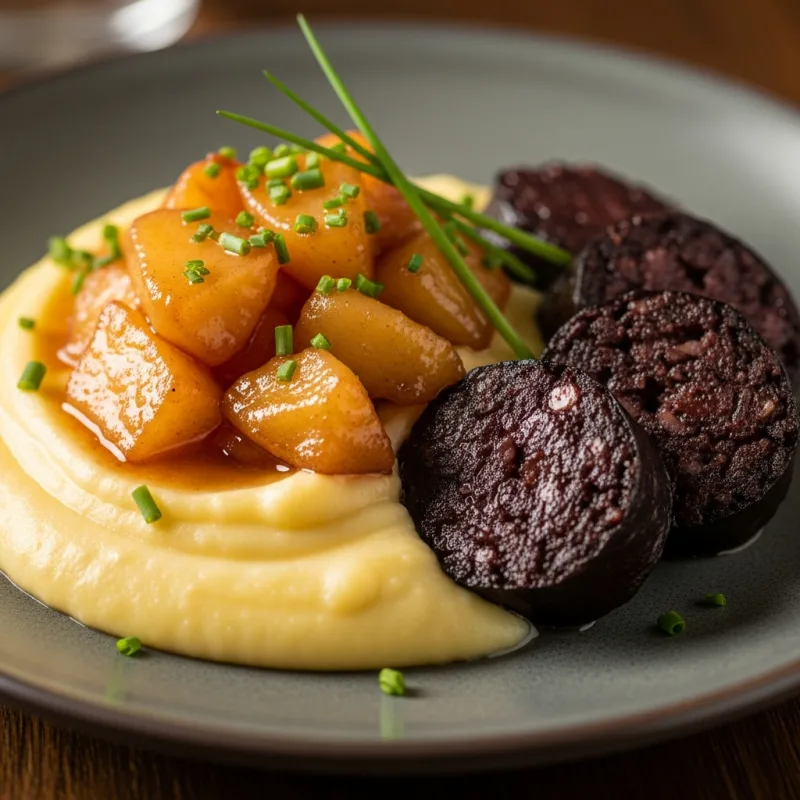
Traditional German dish Himmel und Erde with mashed potatoes, stewed apples, and black pudding.

Must Try Dish

Himmel und Erde - A comforting German classic, Himmel und Erde combines creamy mashed potatoes ("Erde" - earth) with sweet, stewed apples ("Himmel" - heaven) and often features crispy fried black pudding or sausages. This hearty dish offers a delightful balance of savory and sweet, reflecting traditional regional flavors.

Food Experiences

No food experience found

GetReady

Plan your trip seamlessly with our trusted partners and expert guidance. Follow these steps to book everything you need or connect with a local tour guide for personalized support

Step 1: Find the Perfect Accommodation

Explore a wide range of hotels, boutique stays, and vacation rentals to suit every traveler’s needs and budget. From luxury options to cozy family stays, find the best place for your trip.

Step 2: Book Your Flights

Secure the best flight deals for your destination. With our trusted partners, booking flights is quick and hassle-free.

Step 3: Let a Tour Guide Help

Not sure where to start? A professional local tour guide can create a customized itinerary or assist you in planning your trip. Make your journey seamless and stress-free.

Step 4: Rent a Car

Travel at your own pace by renting a car. Whether you’re exploring cities or embarking on a road trip, find reliable and convenient car rental options.

Step 5: Get Travel Insurance

Protect yourself and your loved ones with comprehensive travel insurance. Our partners offer plans to cover every aspect of your journey.

Step 6: Need a Visa?

Check visa requirements for your destination and apply quickly with trusted services. Simplify the process and ensure you’re ready to travel without delays.

FAQs

Saxony-Anhalt boasts several UNESCO World Heritage Sites, including Lutherstadt Wittenberg (Reformation sites), Bauhaus and its Sites in Dessau, and the Garden Kingdom of Dessau-Wörlitz. Other highlights include the Harz Mountains, Quedlinburg’s medieval old town, and Naumburg Cathedral.
Absolutely! The region offers numerous family-friendly attractions, such as castles, nature parks in the Harz Mountains, interactive museums, and charming towns with plenty of space for children to explore. Many accommodations and restaurants cater to families.
Saxony-Anhalt has a well-developed public transportation network, primarily trains and buses, connecting major cities and towns. Renting a car offers flexibility, especially for exploring rural areas and the Harz Mountains. Cycling is also a popular way to see the countryside.
The Harz Mountains offer extensive opportunities for hiking, mountain biking, and in winter, skiing and snowshoeing. The region also has numerous cycling paths along rivers and through picturesque landscapes. Boat tours on lakes and rivers are also available.
Saxony-Anhalt is generally a very safe destination with low crime rates. Like any travel, exercise general caution, especially in crowded areas. In emergencies, dial 112 for police, fire, or ambulance services throughout Germany. Major cities also have tourist information centers that can assist with non-emergency issues.
What are the best transportation options for getting to Saxony-Anhalt from other parts of Germany or international airports? The most convenient way to reach Saxony-Anhalt is by train via Deutsche Bahn (DB), with high-speed ICE connections to major cities like Berlin, Leipzig, and Hannover, which also serve as hubs for international flights. Magdeburg and Halle (Saale) are key railway hubs within the state. For international arrivals, Leipzig/Halle Airport (LEJ) is the closest major airport, with direct rail connections. Alternatively, Berlin (BER) or Hannover (HAJ) airports are also good options, followed by a comfortable train journey.
The official currency in Saxony-Anhalt, like the rest of Germany, is the Euro (€). Credit and debit cards (Visa, Mastercard, Maestro) are widely accepted in larger hotels, restaurants, and shops, particularly in urban areas. However, it’s advisable to carry some cash, especially for smaller purchases, local markets, or in more rural establishments, as some smaller businesses may prefer or only accept cash. ATMs are readily available in towns and cities.
To comfortably explore Saxony-Anhalt’s diverse highlights, a trip of 5 to 7 days is generally recommended. This allows sufficient time to visit a few key UNESCO sites like Lutherstadt Wittenberg, Bauhaus Dessau, and Quedlinburg, as well as enjoy some time in the Harz Mountains. For a quicker overview, a long weekend (3-4 days) could cover one or two main regions, but a full week offers a more immersive experience without feeling rushed.
While German is the official language, English is generally understood and spoken by staff in major tourist attractions, hotels, and restaurants, especially in larger towns like Magdeburg, Halle, Wittenberg, and Quedlinburg. However, learning a few basic German phrases like ‘Hallo’ (Hello), ‘Danke’ (Thank you), ‘Bitte’ (Please/You’re welcome), and ‘Sprechen Sie Englisch?’ (Do you speak English?) will be greatly appreciated and helpful, particularly in smaller towns or rural areas.

Help Us Improve

If you visited
Saxony-Anhalt
click here to share your tips and stories.

This will help us improve our guides for the entire travelers community.

Related Articles

Check out our related articles and blog posts to learn even more about the destination.
No related articles found

Don’t Travel Alone

Share with your friends and family

Join travel lovers and get exclusive travel tips, coupons and more!

Register

Now!