Abruzzo remains one of Italy's best-kept secrets, offering a rare blend of untouched wilderness and deep-rooted history. Geographically, it is defined by the rugged Apennine Mountains to the west and the sandy shores of the Adriatic Sea to the east. This dramatic topography means you can ski in the morning and walk along the beach in the afternoon. The region is fiercely proud of its natural heritage, protecting its landscapes through the Gran Sasso and Monti della Laga National Park, the Majella National Park, and the Abruzzo, Lazio and Molise National Park. These reserves are sanctuaries for rare wildlife, including the Marsican brown bear, Apennine wolves, and golden eagles.
Culturally, Abruzzo is a land of ancient traditions. Its hilltop villages, such as Santo Stefano di Sessanio and Scanno, seem frozen in time, offering a glimpse into a slower, more deliberate way of life. The region's history is etched into its landscape, from the imposing fortress of Rocca Calascio to the secluded hermitages carved into the Majella mountainsides. Visitors will find the locals to be incredibly welcoming, eager to share their heritage, their robust Montepulciano wines, and their hearty, soul-warming cuisine.
Reasons to Visit
- Unspoiled Nature: With three national parks and numerous reserves, it is a paradise for hikers, climbers, and wildlife enthusiasts.
- Authentic Culture: Experience traditional Italian village life without the overwhelming crowds of more famous regions.
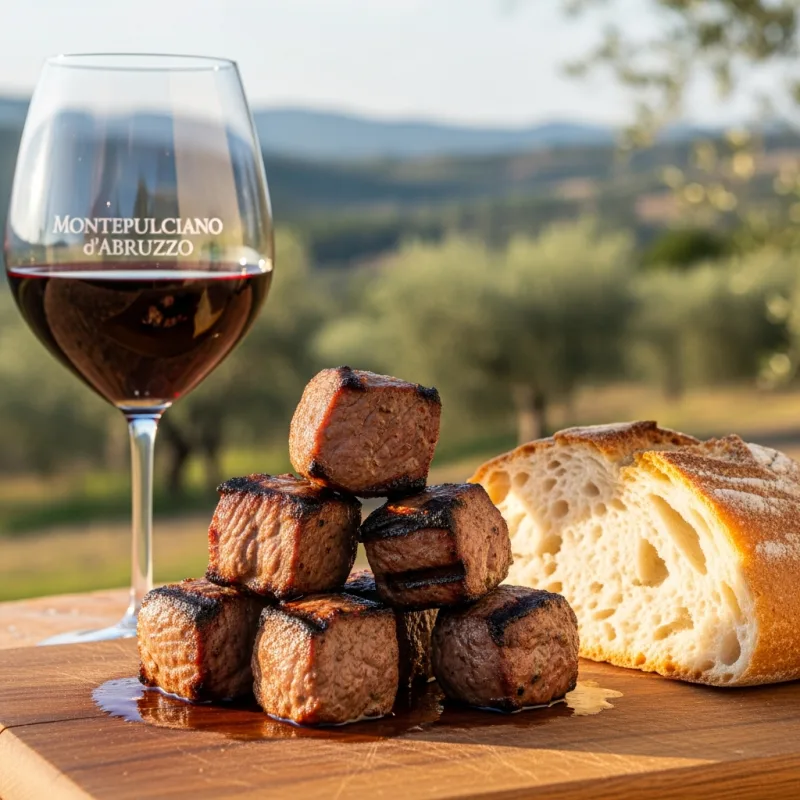
- Culinary Excellence: Taste unique regional specialties like arrosticini, saffron from Navelli, and fresh seafood on the Trabocchi Coast.
- Medieval Architecture: Explore stunning castles like Rocca Calascio and beautifully preserved medieval towns.
- Affordability: Enjoy high-quality food, wine, and accommodation at a fraction of the cost of northern Italy.
Things to Avoid
- Relying solely on public transport: Buses and trains are infrequent in rural and mountainous areas; a rental car is essential for a full experience.
- Underestimating mountain weather: Conditions in the Apennines can change rapidly; always pack layers and check forecasts before hiking.
- Expecting English everywhere: While common in cities, English is less spoken in remote villages, so learning a few Italian phrases goes a long way.
- Skipping the local wine: Montepulciano d'Abruzzo is world-class; don't miss the chance to visit local vineyards.
Local Transportation Tips
To get the most out of Abruzzo, renting a car is highly recommended. The A24 and A25 highways connect Rome to the Abruzzo coast, cutting through spectacular mountain scenery. Regional trains run along the Adriatic coast connecting towns like Pescara, Chieti, and Vasto, but inland rail services are slow and limited. Regional buses (TUA) connect major towns and some villages, but schedules can be sparse, especially on Sundays and holidays. For exploring the national parks and hidden hilltop towns, a private vehicle provides the necessary freedom and flexibility.
Travel Etiquette
- Dress appropriately: When visiting churches or religious sites, ensure shoulders and knees are covered.
- Greeting: A friendly 'Buongiorno' (Good morning) or 'Buonasera' (Good evening) is expected when entering small shops or restaurants.
- Dining times: Lunch is typically served from 1:00 PM to 2:30 PM, and dinner from 8:00 PM onwards. Restaurants may be closed in the late afternoon.
- Tipping: A service charge (coperto) is often included in the bill. Leaving an extra 5-10% for exceptional service is appreciated but not mandatory.
Recommended Age Group
Abruzzo offers diverse experiences that cater to various age groups, though its rugged terrain requires some consideration.
- Babies (0-2 years): Neutral. While coastal resorts are very accommodating, navigating steep, cobbled medieval villages or mountain trails with a stroller can be highly challenging.
- Kids (3-12 years): Recommended. Children will love the beaches, easy nature walks, exploring castles, and visiting wildlife reserves.
- Teens (13-19 years): Recommended. The region offers excellent active adventures like hiking, mountain biking, skiing, and water sports.
- Adults (20-64 years): Recommended. Perfect for adults seeking outdoor adventures, wine tasting, culinary exploration, and historical sightseeing.
- Seniors (65+ years): Recommended. Seniors can enjoy slow travel, scenic drives, agritourism, and coastal relaxation, though those with mobility issues should be mindful of steep village streets.
Accessibility Level: Medium
- Coastal towns like Pescara and Vasto offer flat promenades and accessible beaches with facilities for wheelchair users.
- Many medieval hilltop villages have steep, uneven cobblestone streets that can be difficult for travelers with limited mobility.
- Major museums and newer facilities in cities like L'Aquila and Pescara generally have ramps and elevators.
- Some national park visitor centers offer accessible nature trails, but deep wilderness hikes are rugged and unpaved.
Did You Know?
Abruzzo is home to the southernmost glacier in Europe, the Calderone Glacier, located in the Gran Sasso massif. Additionally, the region produces some of the world's highest quality saffron, specifically cultivated in the Navelli plateau, where it is still harvested entirely by hand.
Cool Statistics
- Almost 50% of Abruzzo's territory is protected as national parks or nature reserves.
- The region boasts the highest peak in the Apennines, Corno Grande, standing at 2,912 meters (9,554 feet).
- Abruzzo is home to the rare Marsican brown bear, with an estimated population of only 50-60 individuals remaining in the wild.
- The Trabocchi Coast features over 30 historic wooden fishing machines extending into the Adriatic Sea.






Buy a compatible power adapter for your trip