Basilicata is a region of striking contrasts, bordered by the Ionian Sea to the southeast and the Tyrrhenian Sea to the southwest. The interior is dominated by the Lucanian Apennines, offering dramatic peaks, deep gorges, and expansive forests. This geographical isolation has preserved the region's unique cultural identity and ancient traditions, making it a haven for travelers seeking an authentic Italian experience away from the crowds.
Historically known as Lucania, the region bears the marks of numerous civilizations, from the ancient Greeks and Romans to the Byzantines and Normans. Today, it is celebrated for its pristine natural environments, including the Pollino and Appennino Lucano national parks, and its remarkable historical sites, most notably the UNESCO World Heritage city of Matera.
Reasons to Visit
- Matera's Sassi: Explore one of the oldest continuously inhabited cities in the world, featuring ancient cave dwellings and rock-hewn churches.
- Untouched Nature: Hike through the vast, rugged landscapes of Pollino National Park, home to the rare Bosnian pine.
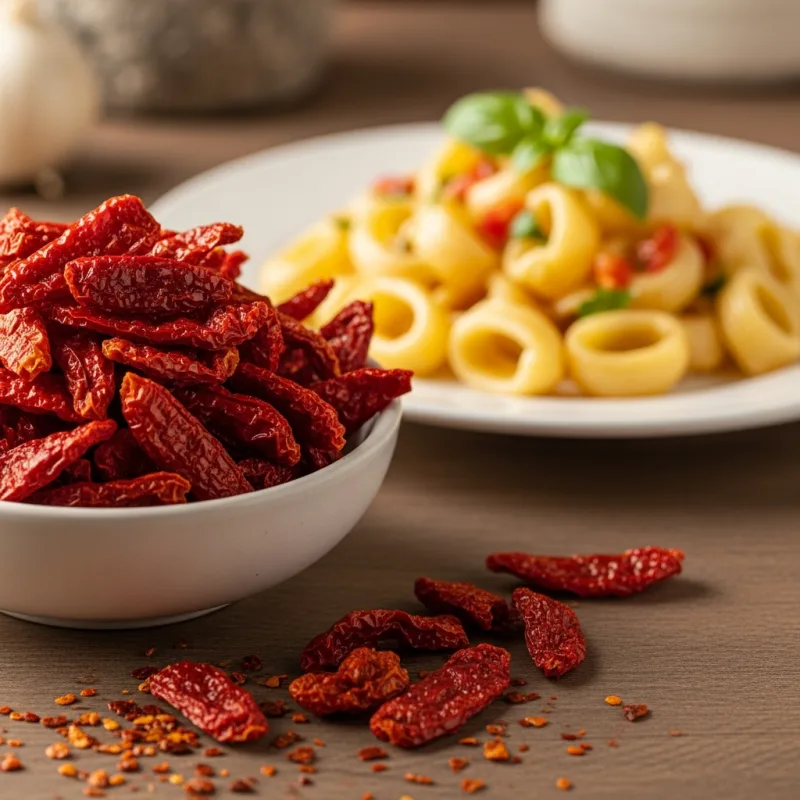
- Authentic Culinary Heritage: Taste traditional dishes made from locally sourced ingredients, including the famous Peperoni Cruschi and Aglianico del Vulture wine.
- Thrilling Adventures: Experience the 'Volo dell'Angelo' (Flight of the Angel), a high-speed zip line connecting two stunning mountain villages.
- Fewer Crowds: Enjoy a peaceful, off-the-beaten-path Italian vacation far from the mass tourism of the north.
Things to Avoid
- Driving in ZTL Zones: Avoid driving into the Restricted Traffic Zones (ZTL) in Matera and other historic centers to prevent hefty fines.
- Rushing the Experience: Basilicata is meant for slow travel; avoid packing too many destinations into a single day due to winding mountain roads.
- Visiting in Peak August: Avoid the intense inland heat and the influx of domestic tourists during the Italian summer holidays in August.
- Expecting Fast-Paced Service: Embrace the slow, relaxed pace of southern Italian dining and hospitality.
Local Transportation Tips
Public transportation in Basilicata is limited. While the Ferrovie Appulo Lucane (FAL) connects Bari to Matera, and Trenitalia serves the coastal areas, the interior is poorly connected by rail. Buses exist but operate on infrequent schedules tailored to local commuters and school hours. Renting a car is by far the most practical and enjoyable way to explore the region, offering the freedom to navigate scenic mountain passes and discover hidden hilltop villages at your own pace.
Travel Etiquette
- Dress Modestly: When visiting churches and religious sites, ensure your shoulders and knees are covered.
- Greetings: Always greet shopkeepers and restaurant staff with a polite 'Buongiorno' (Good morning) or 'Buonasera' (Good evening) upon entering.
- Tipping: Tipping is not mandatory, but leaving a few euros or rounding up the bill is appreciated for good service.
- Punctuality: Social events and dinners often start later than in Northern Europe or the US; embrace the local timing.
Recommended Age Group
Basilicata offers a rich, immersive experience, but its rugged terrain requires some consideration for different age groups.
- Babies (0-2 years): Not Recommended. The steep, uneven cobblestones of Matera and remote mountain villages make stroller navigation nearly impossible.
- Kids (3-12 years): Neutral. While there are outdoor spaces and beaches, the heavy focus on history, architecture, and long car rides might not engage younger children.
- Teens (13-19 years): Recommended. Teens will enjoy the adventure activities like the Volo dell'Angelo zip line, exploring ancient caves, and the region's dramatic landscapes.
- Adults (20-64 years): Recommended. Perfect for adults seeking slow travel, culinary exploration, historical depth, and scenic road trips.
- Seniors (65+ years): Neutral. The region offers incredible culture and food, but the physical demands of walking in hilltop towns and the Sassi of Matera can be challenging for those with mobility issues.
Accessibility Level: Low
- Matera's historic Sassi districts are highly challenging for wheelchair users due to steep inclines, stairs, and uneven stone paths.
- The newer, upper part of Matera (the Piano) is relatively flat and more accessible.
- Many rural agriturismos and historic sites lack modern accessibility modifications.
- Travelers with mobility impairments should plan carefully, focusing on accessible coastal resorts in Maratea or specific guided tours designed for accessibility.
Did You Know?
Matera was once considered the 'Shame of Italy' in the 1950s due to extreme poverty and poor living conditions in the cave dwellings. Following a massive relocation and subsequent revitalization effort, it transformed into a celebrated UNESCO World Heritage site and was named the European Capital of Culture in 2019.
Cool Statistics
- 2 Coastlines: Basilicata is one of the few Italian regions with access to two different seas (Tyrrhenian and Ionian).
- 9,000 Years: The estimated age of continuous human settlement in the caves of Matera.
- 1993: The year Matera's Sassi were designated as a UNESCO World Heritage site.
- 2 National Parks: The region is home to Pollino National Park (Italy's largest) and Appennino Lucano National Park.






Buy a compatible power adapter for your trip