The Province of Reggio Calabria extends across the tip of the Italian boot, forming a geographical bridge between mainland Europe and Sicily across the Strait of Messina. Its dramatic topography descends from the craggy, forested summits of Aspromonte National Park, which soar near 2,000 meters, down to vertical sea cliffs and turquoise bays along the Costa Viola and the sandy, sun-drenched beaches of the Ionian Riviera.
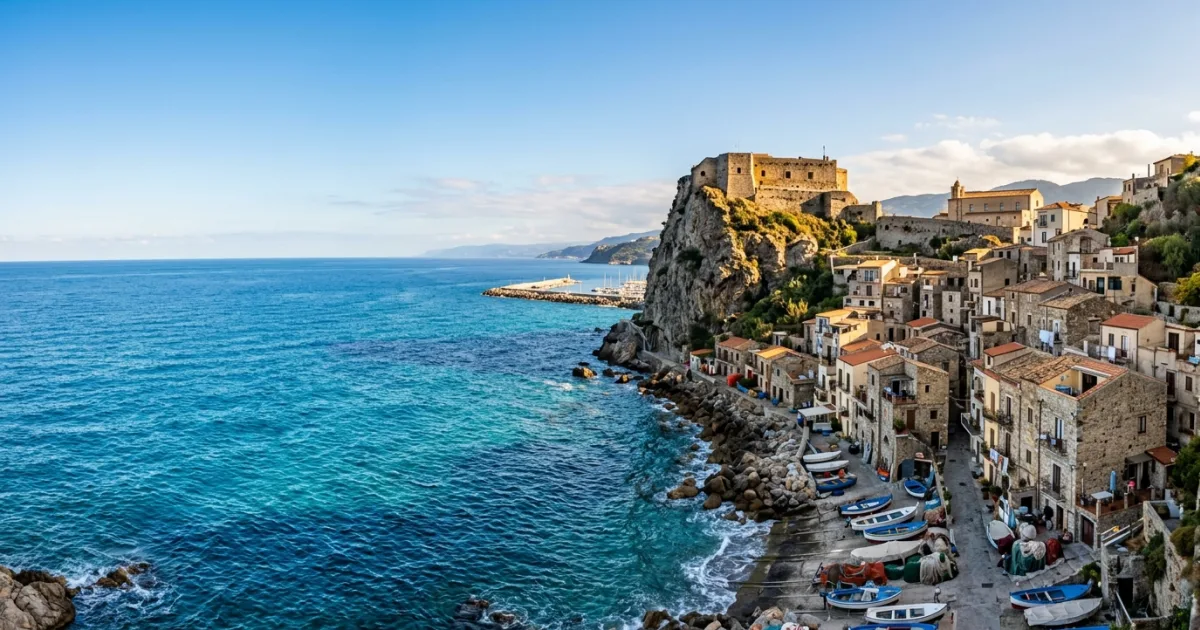
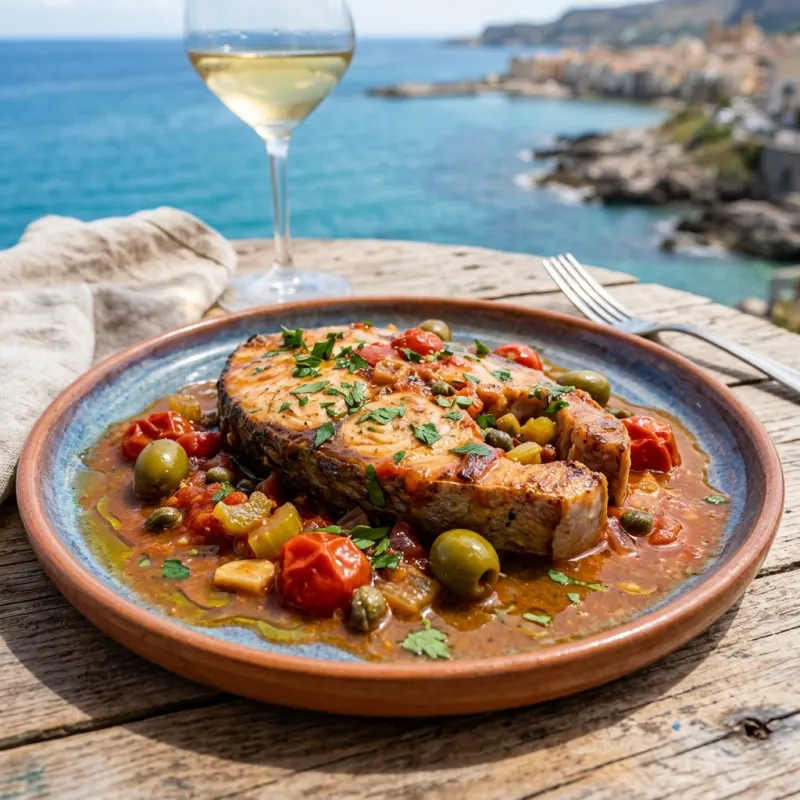
Historically a nucleus of Magna Graecia, the region retains prominent classical roots alongside Byzantine hermitages, Norman bastions, and coastal fishing settlements like Chianalea di Scilla. Traveling here provides a distinctly authentic Italian experience characterized by uncommercialized landscapes, genuine culinary traditions centered on bergamot and swordfish, and profound cultural depth.
Reasons to Visit
- Marvel at the Riace Bronzes, two of the finest preserved classical Greek bronze statues in existence, at the National Archaeological Museum.
- Stroll through Chianalea di Scilla, a picturesque seaside district often dubbed the 'Little Venice of the South' where houses sit directly over the waves.
- Trek ancient shepherd trails and explore hidden waterfalls within the untamed wilderness of Aspromonte National Park.
- Experience the atmospheric ghost town of Pentedattilo, perched beneath a dramatic five-fingered sandstone mountain.
- Savor rare culinary treasures, including authentic bergamot gelato, Stoccafisso di Mammola, and artisanal caciocavallo cheeses.
Things to Avoid
- Avoid driving through the narrow historic alleys of hillside towns like Gerace or Scilla in a large SUV; opt for a compact vehicle.
- Do not plan extensive shopping or business activities during the afternoon riposo (1:30 PM to 4:30 PM), when most small shops close.
- Avoid underestimating distances and winding road conditions across the Aspromonte range; mountain drives take longer than digital maps project.
- Do not swim in unpatrolled sections of the Strait of Messina without checking local conditions, as tidal currents can be treacherous.
Local Transportation Tips
The province is served by Reggio Calabria Tito Minniti Airport (REG) for domestic flights, while Lamezia Terme International Airport (SUF) provides broader international connections roughly 1.5 hours to the north. Trenitalia operates regional and high-speed Frecciarossa trains along the Tyrrhenian coast, offering convenient transport between Reggio Calabria, Villa San Giovanni, and Scilla. For traversing the interior mountains, visiting secluded archaeological ruins, or touring the Ionian coast, renting a car is strongly recommended due to limited rural bus frequencies.
Travel Etiquette
- Greet shopkeepers and restaurant staff politely upon entering with a respectful 'Buongiorno' or 'Buonasera'.
- Dress modestly with covered shoulders and knees when entering cathedrals, small churches, and shrines.
- Do not rush restaurant meals; dining is treated as a relaxed social occasion, and the bill must be specifically requested ('Il conto, per favore').
- Tipping is discretionary in Italy; leaving small change or rounding up the bill by 5-10% for attentive service is appreciated but never mandatory.
Recommended Age Group
The Province of Reggio Calabria caters to diverse travel demographics, though rugged terrain and historic architecture impact mobility.
- Babies (0-2 years): Neutral. Cobblestone alleys, steep staircases in coastal hamlets, and rocky beaches make stroller navigation difficult, though baby-friendly hospitality is standard.
- Kids (3-12 years): Recommended. Children enjoy calm swimming coves, exploring castle ruins like Castello Ruffo, and tasting authentic artisanal gelato.
- Teens (13-19 years): Recommended. Excellent opportunities for coastal water sports, snorkeling, mountain trekking, and exploring mysterious ancient ruins.
- Adults (20-64 years): Recommended. Perfect balance of world-class classical history, scenic mountain driving, exceptional local gastronomy, and relaxed coastal living.
- Seniors (65+ years): Recommended. Flat seaside promenades such as the Lungomare Falcomatà and superb museums provide accessible cultural leisure, though steep hill towns require moderate stamina.
Accessibility Level: Medium
- The National Archaeological Museum of Reggio Calabria features full elevator access, ramps, and modern accessibility facilities for wheelchair users.
- Major rail stations like Reggio Calabria Centrale and Villa San Giovanni offer Sala Blu assistance for travelers with mobility impairments.
- Historic hillside villages such as Gerace, Pentedattilo, and Chianalea feature steep gradients, rough cobblestones, and extensive stone stairways that present mobility challenges.
- Modern seaside promenades and central municipal areas in Reggio Calabria city provide wide, flat, and paved walkways suitable for assisted transit.
Did You Know?
The narrow strip of coastline around Reggio Calabria produces over 90% of the world's commercial bergamot essential oil. This rare citrus fruit cannot easily produce its signature aromatic oil anywhere else due to the area's precise combination of microclimate, volcanic-influenced soil, and coastal winds.
Cool Statistics
- Home to the Riace Bronzes, created around 460–450 BC and discovered underwater by an amateur diver in 1972.
- Aspromonte National Park spans over 64,000 hectares of protected Mediterranean and montane wilderness.
- The Strait of Messina narrows to just 3.1 kilometers at its narrowest point between mainland Calabria and Sicily.






Buy a compatible power adapter for your trip