Calabria is a land of striking contrasts, where the crystalline waters of the Ionian and Tyrrhenian seas meet the rugged peaks of the Apennine Mountains. Historically known as the heart of Magna Graecia, the region is dotted with archaeological sites, Byzantine churches, and Norman castles that tell the story of its diverse conquerors. Unlike the polished tourist destinations of northern Italy, Calabria retains a raw, unpretentious charm. Visitors can wander through the narrow alleys of cliffside towns like Tropea and Scilla, hike the dense pine forests of Sila National Park, or relax on the pristine white sands of Capo Vaticano. The local culture is deeply intertwined with the land, resulting in a rich agricultural tradition that produces some of Italy's most robust flavors, including the famous spicy 'nduja, sweet red onions, and robust olive oils.
Reasons to Visit
- Unspoiled Beaches: Discover hundreds of miles of dramatic coastline, featuring hidden coves and crystal-clear waters, especially along the Costa degli Dei.
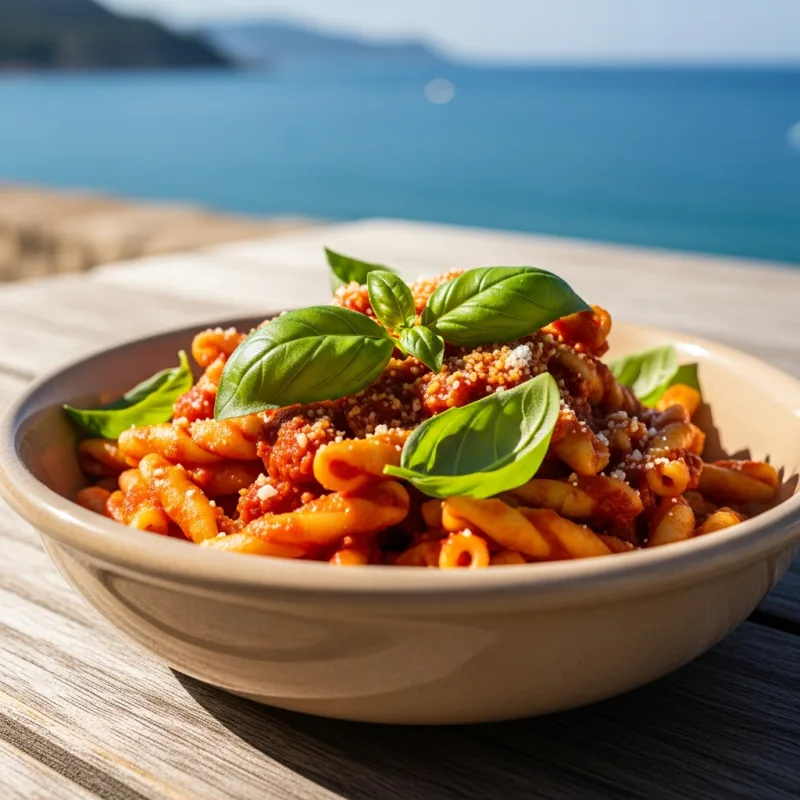
- Authentic Cuisine: Taste fiery, bold flavors unique to the region, including 'nduja, Tropea onions, and fresh Mediterranean seafood.
- Ancient History: Explore the ruins of Magna Graecia, ancient Roman baths, and the famous Riace Bronzes in Reggio Calabria.
- Untamed Nature: Hike, bike, or ski in three distinct national parks (Pollino, Sila, and Aspromonte) offering diverse landscapes and wildlife.
- Fewer Crowds: Experience authentic Italian culture and hospitality without the overwhelming tourist masses found in more famous regions.
Things to Avoid
- Relying Solely on Public Transit: While trains connect major coastal towns, buses to inland villages are infrequent. Renting a car is highly recommended.
- Visiting in Peak August: August is incredibly hot and crowded with domestic tourists; shoulder seasons offer better weather and prices.
- Expecting Fast-Paced Service: Embrace the southern Italian concept of 'il dolce far niente' (the sweetness of doing nothing); service in restaurants and shops is leisurely.
- Ignoring the Siesta (Pausa): Many shops and businesses close between 1:00 PM and 4:00 PM. Plan your activities and meals accordingly.
Local Transportation Tips
To truly experience the breadth of Calabria, renting a car is the most practical option, allowing you to navigate the winding mountain roads and reach secluded hilltop villages at your own pace. The region is served by the A2 Autostrada del Mediterraneo, which runs north to south. For those sticking to the coast, the regional train network (Trenitalia) is relatively efficient and connects major hubs like Lamezia Terme, Tropea, Scilla, and Reggio Calabria. Local buses exist but can be unreliable and infrequent, especially on Sundays and holidays. Taxis are available in larger towns and at airports, but ride-sharing apps like Uber are virtually non-existent.
Travel Etiquette
- Dress Modestly in Churches: Always cover your shoulders and knees when entering religious sites.
- Greet Shopkeepers: Say 'Buongiorno' (Good morning) or 'Buonasera' (Good evening) when entering a small shop or café.
- Coffee Culture: Cappuccino is strictly for breakfast. Order an espresso (un caffè) after meals or later in the day.
- Tipping: A service charge (coperto) is often included in the bill. Leaving a small extra tip (rounding up or a few euros) is appreciated but not mandatory.
Recommended Age Group
Calabria offers diverse experiences suitable for various age groups, though its rugged terrain requires some consideration.
- Babies (0-2 years): Neutral. While Italians adore children, navigating steep cliffside towns and cobblestone streets with a stroller can be challenging.
- Kids (3-12 years): Recommended. The beautiful beaches, warm waters, and gelato shops make it a fantastic playground for children.
- Teens (13-19 years): Recommended. Teens will enjoy the active water sports, hiking in the national parks, and exploring ancient castles.
- Adults (20-64 years): Recommended. Perfect for adults seeking authentic culinary experiences, historical exploration, and scenic road trips.
- Seniors (65+ years): Recommended. Slower-paced coastal towns and agritourism stays are ideal, though those with mobility issues should plan around steep village steps.
Accessibility Level: Medium
- Terrain Challenges: Many historic towns in Calabria are built on steep cliffs or hillsides, featuring cobblestone streets and numerous stairs, which can be difficult for wheelchair users.
- Accessible Beaches: Some popular beaches, particularly around Tropea and Soverato, offer accessible boardwalks and specialized beach wheelchairs during the summer months.
- Transportation: Newer regional trains are equipped with ramps and accessible restrooms, but older stations may lack elevators. It is advisable to book assistance in advance.
- Accommodation: Modern hotels and larger resorts are more likely to have accessible facilities compared to historic bed and breakfasts or agritourism sites.
Did You Know?
Calabria is the birthplace of the name 'Italy'. The ancient Greeks originally used the word 'Italìa' to refer only to the southern tip of the Calabrian peninsula, named after the Oenotrian king Italus, before the name eventually spread to encompass the entire boot-shaped country.
Cool Statistics
- Coastline: Calabria boasts approximately 800 kilometers (500 miles) of coastline, making up about 10% of Italy's total coast.
- National Parks: The region is home to 3 national parks, covering nearly 30% of its total land area.
- Bergamot: Calabria produces 95% of the world's bergamot, a citrus fruit essential for Earl Grey tea and many luxury perfumes.
- Riace Bronzes: The Museo Nazionale della Magna Grecia houses two of the world's finest examples of ancient Greek bronze sculpture, dating back to 460–450 BC.






Buy a compatible power adapter for your trip