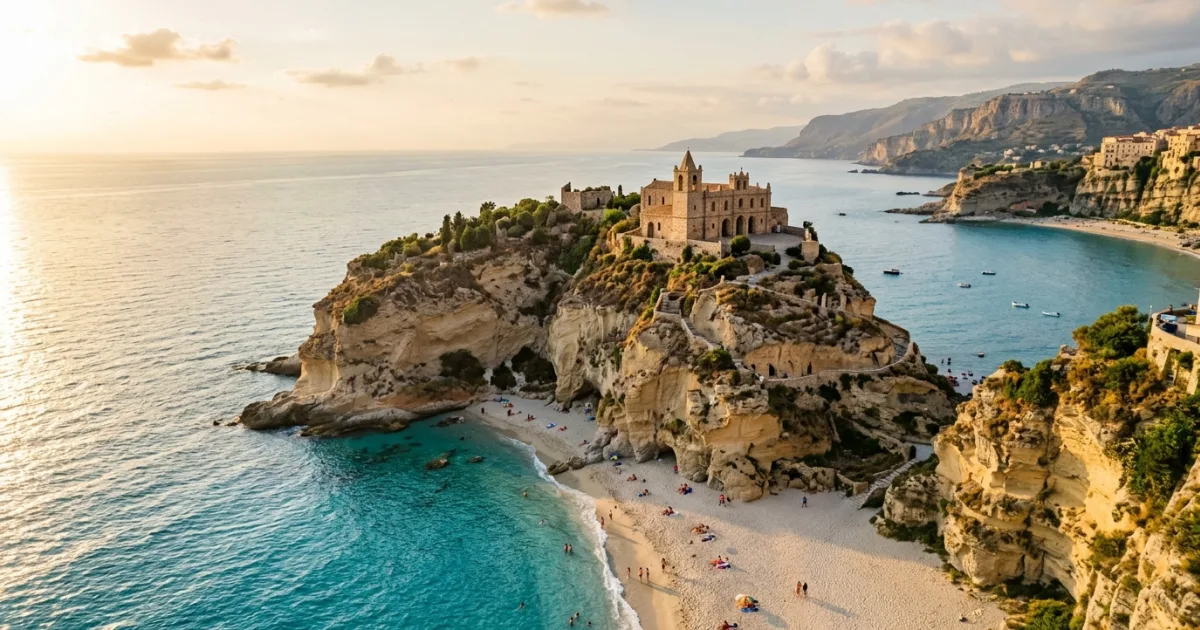
The Province of Vibo Valentia is one of southern Italy's most visually dramatic territories, situated on Calabria's western Tyrrhenian shore. Covering both craggy coastal cliffs and pristine inland forests, the region balances world-class seaside scenery with rich Magna Graecia and medieval heritage. The iconic clifftop town of Tropea serves as the jewel of the coastline, overlooking crystal waters toward the Aeolian Islands. Inland, the town of Vibo Valentia maintains centuries-old defensive walls, historic palazzi, and the landmark Castello Normanno-Svevo holding prized classical antiquities.
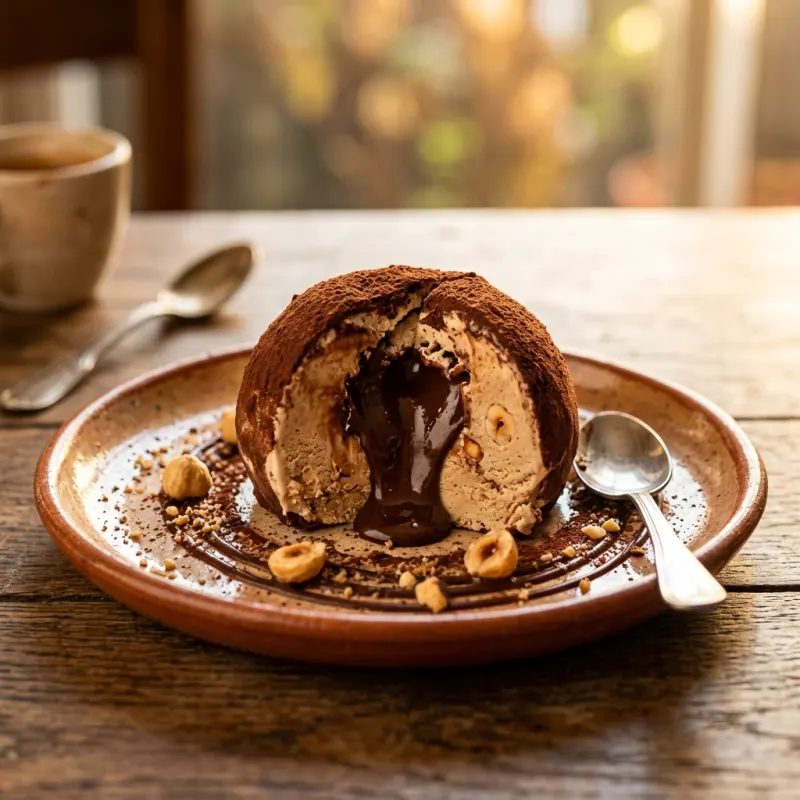
Beyond its postcard-perfect shorelines, the province reveals a tranquil mountain landscape dominated by the Serre Calabresi. Here, visitors encounter deep beech and silver fir woods sheltering the Certosa di Serra San Bruno, an active Carthusian monastery founded in the 11th century. Gastronomy plays a central role in daily life, where traditional food crafting yields delicacies like 'Nduja from Spilinga and handcrafted Tartufo gelato in Pizzo's coastal piazza. The province provides a balanced immersion into timeless southern Italian landscapes, seaside tranquility, and historic discovery.
Reasons to Visit
- Pristine Tyrrhenian beaches and hidden coves along Capo Vaticano and Tropea.
- World-renowned culinary treasures including authentic Tartufo di Pizzo and Spilinga 'nduja.
- Rich historical architecture spanning Norman-Swabian castles to coastal cliffside sanctuaries like Santa Maria dell'Isola.
- Spiritual and natural retreats inside the ancient beech forests of Serra San Bruno.
- Unobstructed sunset vistas framing the active volcanic silhouette of Stromboli across the sea.
Things to Avoid
- Avoid driving large vehicles into historic center ZTL (Limited Traffic Zones) in Tropea and Pizzo without authorization.
- Do not rely entirely on public transport if you plan to visit rural inland sights and mountain monasteries.
- Avoid visiting popular public beaches between 11:30 AM and 3:30 PM in mid-August without sun shelters, as heat and crowds peak.
- Do not skip sampling authentic local products at certified village trattorias in favor of generic coastal tourist menus.
Local Transportation Tips
Travelers navigating the Province of Vibo Valentia have several transport choices depending on itinerary scope. The coastal railway line operated by Trenitalia is dependable and links major beach communities such as Pizzo, Vibo Marina, Briatico, Zambrone, Tropea, and Ricadi. For traveling inland toward the provincial capital of Vibo Valentia or ascending into the Serre mountain ranges to Serra San Bruno, a rental car is strongly recommended due to limited regional bus frequency. Taxis are available at major train stations, though booking transfers in advance is advised during peak summer.
Travel Etiquette
- Greet shopkeepers and cafe baristas with a polite 'Buongiorno' or 'Buonasera' upon entering establishments.
- Dress respectfully when entering churches and monastic sanctuaries; keep shoulders and knees covered.
- Pay at the cash register first (fare lo scontrino) at traditional espresso bars before ordering at the counter if prompted.
- Embrace the local afternoon riposo (rest period) between 1:30 PM and 4:30 PM when small independent shops close.
Recommended Age Group
The Province of Vibo Valentia welcomes diverse generations with distinct regional offerings across coastlines and mountains.
- Babies (0-2 years): Neutral. Beach access often requires negotiating steep stairs or rocky descents in cliffside towns, though resort beaches in flatter areas accommodate strollers well.
- Kids (3-12 years): Recommended. Safe swimming coves, boat excursions, castle explorations in Pizzo, and delicious gelato traditions make it an exciting family holiday.
- Teens (13-19 years): Recommended. Snorkeling, coastal boat trips, vibrant summer beach clubs, and water sports keep teenagers actively engaged.
- Adults (20-64 years): Recommended. Fantastic regional food tours, historical sightseeing, scenic drives, and romantic cliffside viewpoints create an ideal Italian escape.
- Seniors (65+ years): Recommended. Mild shoulder-season weather, relaxed coastal promenades, rich religious sites, and accessible seaside dining cater well to mature travelers.
Accessibility Level: Medium
- Historic centers like Tropea and Pizzo have cobblestone pathways, staircases, and steep inclines that present mobility challenges.
- Modern seaside lidos often feature wooden ramp boardwalks down to sun loungers during the peak summer season.
- Vibo Valentia's Norman-Swabian Castle and major churches have partial step-free access paths, though prior inquiries are advisable.
- Traveling by private adapted vehicle is the easiest way for wheelchair users to navigate between coastal points and inland attractions.
Did You Know?
The sweet red onion from Tropea (Cipolla Rossa di Tropea IGP) contains extraordinarily high glucose levels due to the region's microclimate and sandy soil, making it sweet enough to be transformed locally into marmalades, sauces, and even sweet onion gelato.
Cool Statistics
- Coastline length: Over 55 kilometers of scenic coastal shores along the Tyrrhenian Sea.
- Highest provincial peak: Monte Pecoraro reaching an elevation of 1,423 meters within the Serre range.
- Monastic heritage: The Certosa di Serra San Bruno was established in 1091 by Saint Bruno of Cologne.






Buy a compatible power adapter for your trip