

Low – budget‑friendly basics
Medium – moderate mid‑range costs
High – pricey lodging, dining & transport
Disclosure: This site contains affiliate links. We may earn a commission if you make a purchase, at no extra cost to you.
Low – budget‑friendly basics
Medium – moderate mid‑range costs
High – pricey lodging, dining & transport
5 shields = Excellent – very low crime or conflict.
4 shields = Safe – low risk, routine care.
3 shields = Relatively safe – use normal street smarts.
2 shields = Use caution – higher crime or periodic unrest.
1 shields = Avoid – active conflict or extreme danger.
Scores are derived from multi-year peace, homicide and security indices blended into a single 1-to-5 scale.
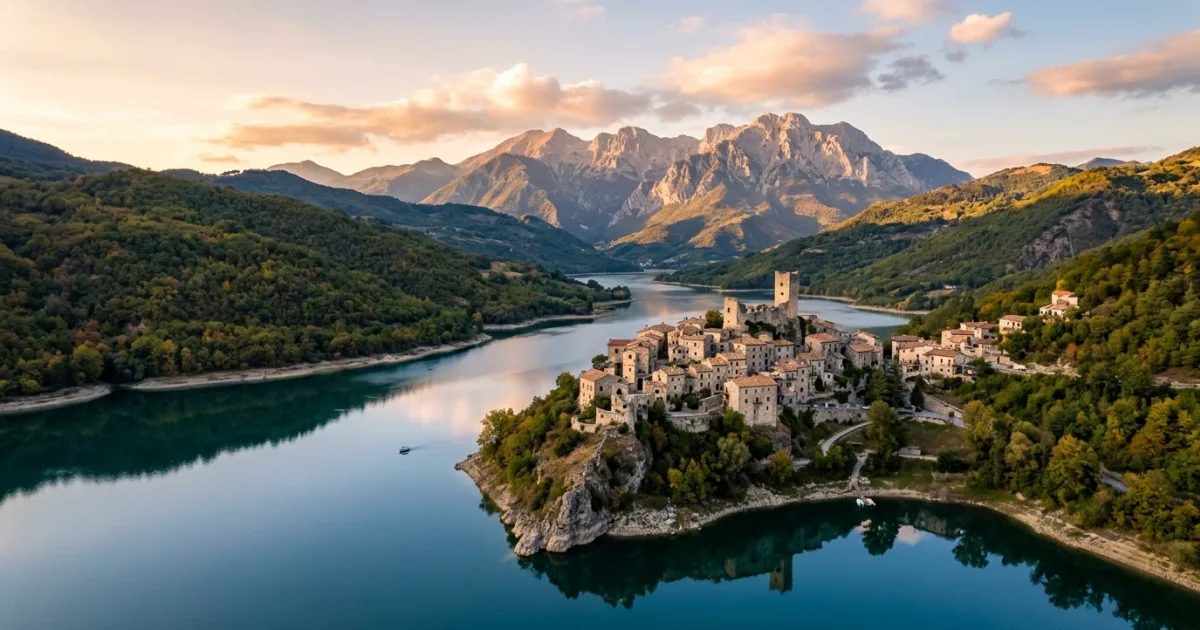
The Province of Rieti occupies the rugged northeastern sector of Lazio, defined historically as the heartland of the ancient Sabines and the geographic center of the Italian peninsula. The landscape rises sharply from the olive-covered hills of lower Sabina toward the Apennine peaks of the Monti Reatini, anchored by the 2,217-meter summit of Monte Terminillo. Deep river valleys, dense beech forests, and cobalt reservoirs like Lake Turano and Lake Salto punctuate this mountainous geography, which remains remarkably preserved and lightly touristed compared to western Lazio. Historically, Rieti forms the Franciscan Sacred Valley, preserving four 13th-century sanctuaries where Saint Francis of Assisi lived, wrote, and established the world's first nativity scene at Greccio. The provincial capital of Rieti maintains its defensive medieval walls and underground Roman viaduct, while surrounding hilltop hamlets like Collalto Sabino, Labro, and Amatrice showcase resilient cultural and culinary identities. Visitors navigate a slow-paced network of quiet panoramic roads, centuries-old pilgrimage trails, and authentic mountain trattorias serving legacy central Italian cuisine.
The Province of Rieti encompasses 2,750 square kilometers of mountainous geography within the northeastern sector of Lazio, bordered by Umbria to the north and Abruzzo to the east. Historically known as the land of the Sabines, its capital city Rieti was celebrated by classical Roman authors like Varro as the geographic navel of Italy (Umbilicus Italiae). The provincial landscape transitions dramatically from the gentle, olive-terraced slopes of lower Sabina to the rugged limestone massif of Monte Terminillo, towering at 2,217 meters above sea level.
Beyond its wild natural topography, Rieti retains immense cultural and architectural importance. The Rieti Valley is universally recognized as the 'Valle Santa' (Holy Valley) due to the presence of four remote sanctuaries where Saint Francis of Assisi walked, meditated, and founded major spiritual traditions. Medieval walled strongholds such as Labro, Collalto Sabino, and Castel di Tora maintain their stone layouts, overlooking sparkling bodies of water like Lake Turano and Lake Salto. Travelers here encounter an unhurried, authentic slice of Apennine life centered around local markets, traditional transhumance paths, and seasonal harvests.
Transportation across the Province of Rieti relies heavily on vehicular travel. The main artery is the historic Via Salaria (SS4), connecting Rome northwards to Rieti and onward toward the Adriatic coast. Regional Cotral buses run between Rome's Tiburtina station and Rieti city center regularly, but connections to smaller hamlets like Rocca Sinibalda or Leonessa run infrequently. Trenitalia operates regional train links between Terni, Rieti, and L'Aquila, alongside metropolitan suburban rail terminating at Fara Sabina. Renting a car remains the most practical method for thoroughly exploring the province's rural reserves and mountain passes.
The Province of Rieti provides rewarding travel experiences, though terrain accessibility varies depending on physical capability.
Rieti's Piazza San Rufo contains a circular marble monument designating the exact historical and geographical center of the Italian mainland, established originally during ancient Roman antiquity.

Rieti's inland mountainous terrain brings distinct seasonal shifts, making timing central to your travel style.
| Month | °C | °F |
|---|---|---|
| Jan | 4 | 39 |
| Feb | 5 | 41 |
| Mar | 7 | 45 |
| Apr | 9 | 48 |
| May | 14 | 57 |
| Jun | 19 | 66 |
| Jul | 23 | 73 |
| Aug | 22 | 72 |
| Sep | 17 | 63 |
| Oct | 13 | 55 |
| Nov | 9 | 48 |
| Dec | 5 | 41 |
Remember to check the weather forecast a few days before the trip and before heading to the airport.
5 shields = Excellent – very low crime or conflict.
4 shields = Safe – low risk, routine care.
3 shields = Relatively safe – use normal street smarts.
2 shields = Use caution – higher crime or periodic unrest.
1 shields = Avoid – active conflict or extreme danger.
Scores are derived from multi-year peace, homicide and security indices blended into a single 1-to-5 scale.
The rating is based on multi-year peace, crime, and security indices. Before you go, always verify current conditions through official government travel advisories.
No internet needed • Includes local translations • Free for TravelingWiz readers

Low – budget‑friendly basics
Medium – moderate mid‑range costs
High – pricey lodging, dining & transport
Per person, per day – pocket cash for small purchases.
Full daily spend estimation (accommodation, food, transportation, attractions).
Travel Style | Euro (EUR) | ≈ USD ($) |
|---|---|---|
Budget | 70 | 77 |
Mid-range | 130 | 143 |
Comfort | 290 | 318 |
The Prices, Daily costs, and calculator results are estimates for planning purposes only. Actual costs may vary based on season, booking timing, personal spending habits, and currency fluctuations. TravelingWiz cannot be held responsible for discrepancies between these estimates and your final trip expenses.
Choose a ready-made itinerary, plan your own trip, and keep TravelingWiz by your side while you travel.
Get the TravelingWiz app →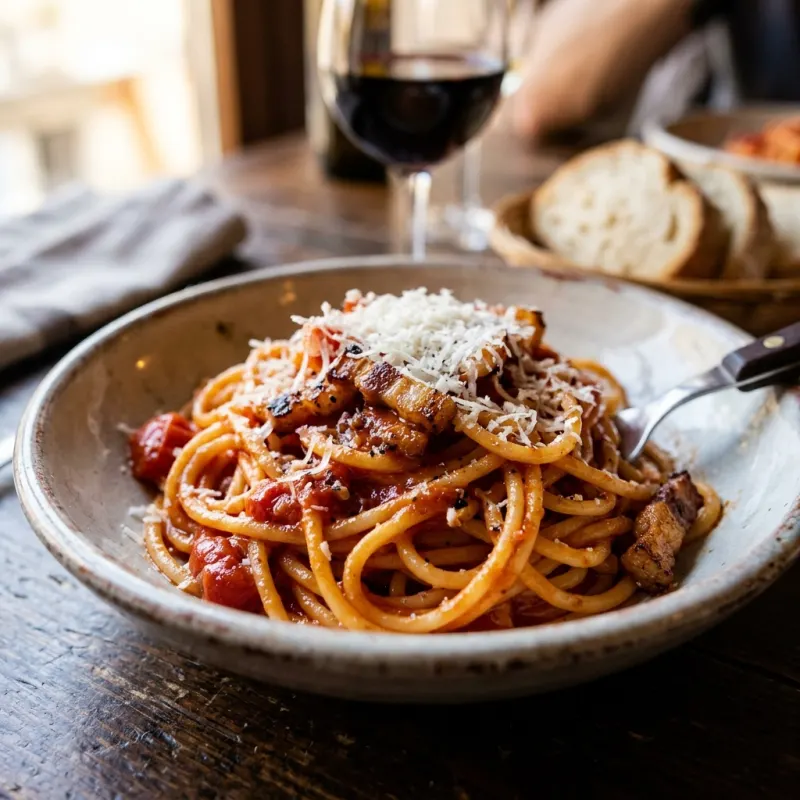
Discover cooking classes, tastings and local food tours
Logistics shouldn’t be the focus of your trip—the experience should. I’ve hand-vetted these essential partners to ensure your arrival, stay, and exploration are as smooth as an Athenian breeze.

Compare accommodation options and choose a stay that suits your plans and budget.
Connect with local guides for personalized help planning and exploring.
The “Engineer’s” rule: always have a backup. Secure your trip with a plan that covers every “what if” and unexpected change.
Don’t let paperwork slow you down. Get expert assistance with your application to ensure all your entry documents are in order.
Check out our related articles and blog posts to learn even more about the destination.
Share with your friends and family
