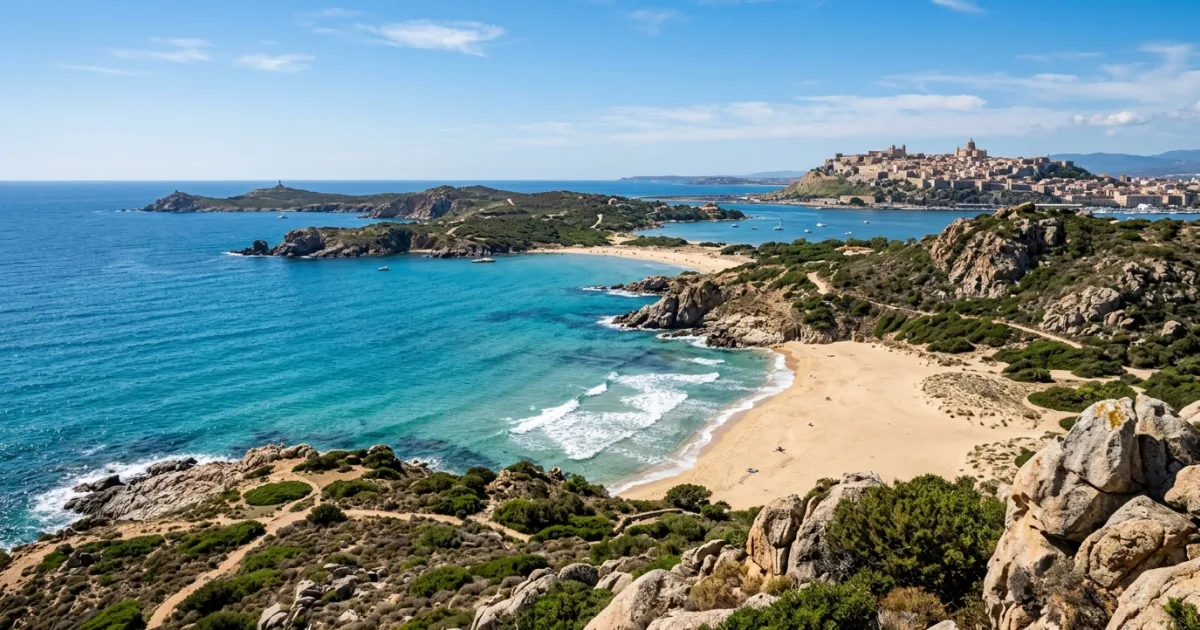
Cagliari, the historic capital of Sardinia, rises gracefully from the Gulf of the Angels, blending thousands of years of layered Mediterranean history with vibrant urban coastal living. The upper quarter of Castello overlooks the sea with medieval ramparts, defensive Pisan towers, and the Cathedral of Santa Maria, while lower districts like Marina and Stampace hum with outdoor trattorias, wine bars, and artisan shops. Just east of the city center lies Poetto Beach, a wide eight-kilometer stretch of sand where locals jog, swim, and socialize at beachside kiosks throughout the year.
Venture beyond the capital into South Sardinia to experience dramatic regional contrasts. To the southwest, the coastal road winds past the Phoenician-Roman ruins of Nora toward the towering white sand dunes of Porto Pino and the turquoise waters of Chia. To the southeast, the protected marine area of Capo Carbonara surrounds the seaside town of Villasimius, offering sheltered bays ideal for snorkeling and diving. Inland, tranquil agricultural plains give way to rugged granite massifs, where prehistoric nuraghe stone towers stand watch over timeless pastoral landscapes.
Reasons to Visit
- Diverse Coastal Landscapes: South Sardinia features pristine shorelines ranging from towering sand dunes in Porto Pino to dramatic granite headlands in Villasimius.
- Ancient Mediterranean History: Explore exceptional archaeological landmarks including the coastal ruins of Nora, Su Nuraxi di Barumini, and Cagliari's Roman Amphitheatre.
- Molentargius Flamingos: Witness thousands of wild greater flamingos nesting within protected urban salt flats just minutes from Cagliari's center.
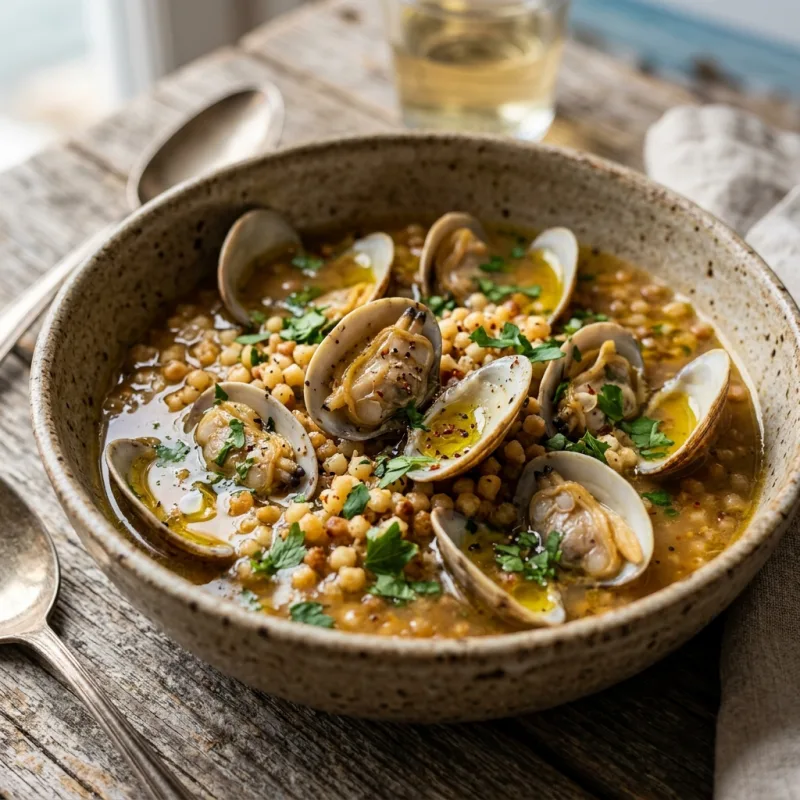
- Distinctive Gastronomy: Savor unique culinary creations like fregula with clams, fresh bottarga, culurgiones, and crisp Vermentino wines.
- Scenic Coastal Driving: The SP71 Strada Panoramica della Costa del Sud delivers one of the most stunning coastal drives in Southern Europe.
Things to Avoid
- Do not remove beach sand or pebbles: Sardinian authorities strictly enforce anti-theft environmental laws with severe financial penalties.
- Avoid relying solely on public transit outside Cagliari: Regional bus connections to remote beaches can be infrequent, making a car necessary for flexibility.
- Do not underestimate midday summer heat: Plan outdoor archaeological visits and hikes for early morning or late afternoon during July and August.
- Avoid skipping restaurant reservations in peak season: Top seafood trattorias and countryside agriturismi fill up days in advance during summer months.
Local Transportation Tips
Cagliari is well connected by CTM urban buses and the Metrocagliari light rail system. A direct train connects Cagliari-Elmas Airport to the central railway station (Stazione di Cagliari) in roughly 6 to 8 minutes for under €2. Regional ARST buses connect Cagliari to major hubs like Pula, Villasimius, and Iglesias; however, exploring secluded bays and rural archaeological sites requires renting a car. Roads are generally well-paved and straightforward to navigate, though mountainous coastal routes demand careful driving around tight switchbacks.
Travel Etiquette
- Afternoon Repose: Many local boutiques and small businesses close between 1:00 PM and 4:30 PM for riposo (afternoon break); plan shopping trips accordingly.
- Dining Hours: Lunch is typically served from 1:00 PM to 3:00 PM, and dinner rarely starts before 8:00 PM. Arriving at a restaurant at 7:00 PM will often find it closed.
- Beach Etiquette: Always bring your trash with you, shake off sand before leaving dunes, and use designated boardwalks to protect fragile coastal ecosystems.
- Tipping: Tipping is not obligatory, as service is often included via a coperto (cover charge); leaving small change or 5–10% for exceptional service is appreciated.
Recommended Age Group
South Sardinia caters to a broad demographic spectrum, balancing cultural depth, accessible nature, and relaxed seaside living.
- Babies (0-2 years): Neutral. Historic quarters feature steep inclines and cobblestones that challenge strollers, though coastal resorts and calm beaches are very welcoming.
- Kids (3-12 years): Recommended. Shallow, warm waters at Chia and Villasimius provide safe swimming, while open-air ruins and flamingo watching offer engaging outdoor fun.
- Teens (13-19 years): Recommended. Abundant water sports including windsurfing, kitesurfing, paddleboarding, and snorkeling, alongside lively seaside promenades.
- Adults (20-64 years): Recommended. Perfect mix of wine tasting, archaeological touring, coastal road trips, and scenic dining options.
- Seniors (65+ years): Recommended. Excellent regional hospital care, relaxed Mediterranean pace, and walkable seaside marinas, though walking in steep old town alleys requires comfortable footwear.
Accessibility Level: Medium
- Cagliari features accessible public transit on most CTM bus routes equipped with low-floor entry and wheelchair ramps.
- Major museums, including the National Archaeological Museum in the Cittadella dei Musei, offer elevator access and step-free routes.
- Select public beaches along Poetto Beach and Villasimius provide wooden access ramps and specialized beach wheelchairs (sedie job) during summer.
- The medieval Castello quarter contains narrow cobblestone streets, steep steps, and uneven pavements that can present mobility hurdles.
Did You Know?
The Molentargius-Saline Regional Park next to Cagliari is one of the most important nesting sites in Europe for greater flamingos, who have permanently settled there since the early 1990s due to the abundance of brine shrimp that grant them their distinctive pink coloration.
Cool Statistics
- 300+ Days: South Sardinia averages over 300 days of sunshine annually, making it one of the sunniest regions in Italy.
- 8 Kilometers: The length of Poetto Beach, Cagliari's main urban beach lined with promenades and cycling paths.
- 3,000+ Years: The historic timeline of human settlement in Cagliari, established by Phoenicians as Karalis before Roman expansion.






Buy a compatible power adapter for your trip