Sardinia is an island of striking contrasts, where the glitz and glamour of the Costa Smeralda meet the rugged, untamed wilderness of the Barbagia region. It is a place where ancient traditions are fiercely preserved, evident in the local dialects, vibrant festivals, and the mysterious Nuragic ruins that dot the landscape. The coastline is arguably the most beautiful in Europe, featuring hidden coves, towering limestone cliffs, and water so clear it appears illuminated from within.
Beyond the beaches, Sardinia rewards the adventurous traveler. The interior is a paradise for hikers and climbers, particularly the Supramonte massif and the dramatic Gorropu Gorge. Culinary enthusiasts will find a unique gastronomy that leans heavily on pastoral traditions—think slow-roasted suckling pig (porceddu), sharp pecorino cheeses, and the robust, antioxidant-rich Cannonau wine. Whether you seek a luxurious seaside retreat or a deep dive into ancient Mediterranean history, Sardinia offers an unforgettable journey.
Reasons to Visit
- World-Class Beaches: Experience Caribbean-like waters at beaches such as La Pelosa, Cala Goloritzé, and Spiaggia del Principe.
- Ancient History: Explore the UNESCO-listed Su Nuraxi di Barumini and thousands of other Bronze Age Nuragic sites.
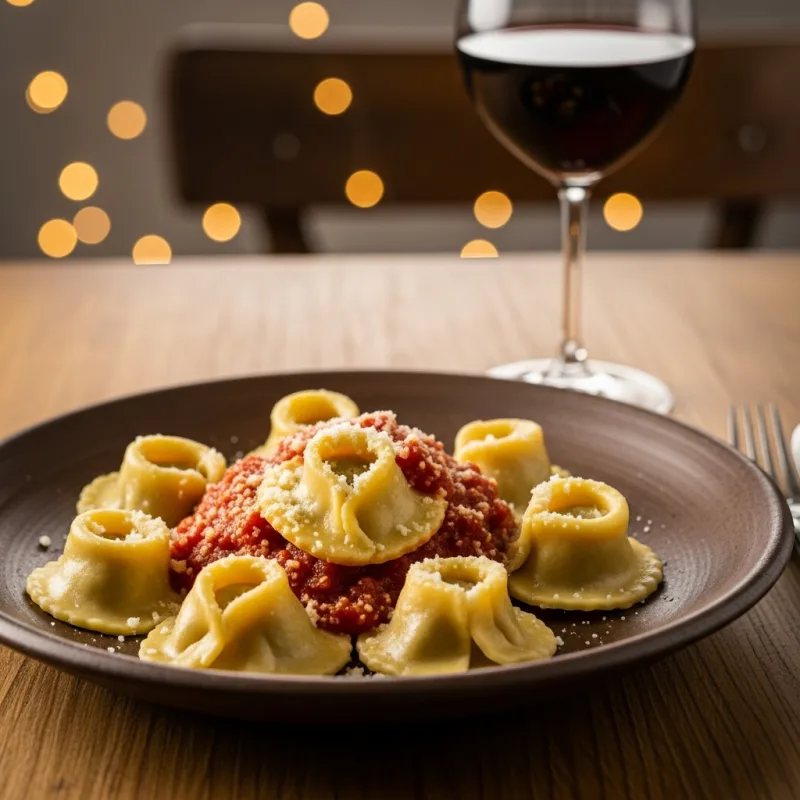
- Unique Gastronomy: Taste authentic dishes like culurgiones, malloreddus, and pane carasau, paired with local wines.
- Outdoor Adventure: Hike the spectacular Gorropu Gorge, one of Europe's deepest canyons, or sail the Maddalena Archipelago.
- Longevity Hotspot: Visit the 'Blue Zone' villages in the Ogliastra region, famous for the remarkable longevity of their residents.
Things to Avoid
- August Crowds: Avoid visiting in August if you dislike intense heat, crowded beaches, and peak pricing.
- Underestimating Distances: Do not assume you can drive around the whole island in a day; winding roads make travel times longer than they appear on a map.
- Taking Sand: Never take sand, shells, or pebbles from the beaches. It is strictly illegal and carries heavy fines.
- Relying Solely on Trains: Avoid depending entirely on the train network, as it does not reach many of the island's best coastal and rural spots.
Local Transportation Tips
To truly experience Sardinia, renting a car is almost mandatory. While there is a public bus network (ARST) that connects major towns and some coastal areas, services can be infrequent, especially on weekends and in rural areas. A limited train network connects Cagliari, Oristano, Sassari, and Olbia, which is scenic but slow. For island hopping to places like the Maddalena Archipelago or Asinara, local ferries operate regularly. During the summer, booking rental cars and ferries well in advance is crucial.
Travel Etiquette
- Dress modestly when visiting churches or religious sites; ensure shoulders and knees are covered.
- Greet shopkeepers and restaurant staff with a polite 'Buongiorno' or 'Buonasera' upon entering.
- Respect the local siesta (riposo); many shops and businesses close between 1:00 PM and 4:00 PM.
- Tipping is not obligatory but leaving a few euros or rounding up the bill for good service is appreciated.
Recommended Age Group
Sardinia offers diverse experiences that cater to almost every age group, though the rugged terrain requires some consideration.
- Babies (0-2 years): Neutral. While the sandy beaches are lovely, the intense summer heat and long driving distances between attractions can be challenging for infants.
- Kids (3-12 years): Recommended. Children will love the calm, shallow waters of many beaches, boat trips, and exploring ancient stone towers.
- Teens (13-19 years): Recommended. Excellent opportunities for water sports, snorkeling, hiking, and exploring vibrant coastal towns.
- Adults (20-64 years): Recommended. Perfect for road trips, wine tasting, challenging hikes, and discovering the island's rich culinary and historical heritage.
- Seniors (65+ years): Recommended. The slow pace of life, accessible coastal resorts, and agritourism experiences are ideal, though some rugged archaeological sites may pose mobility challenges.
Accessibility Level: Medium
- Major airports (Cagliari, Olbia, Alghero) and ferry terminals are fully accessible.
- Many popular beaches offer boardwalks and specialized beach wheelchairs (job chairs) during the summer months.
- Historical town centers often feature cobblestones and uneven terrain, which can be challenging for wheelchair users.
- Modern hotels and resorts on the coast generally offer good accessible facilities, but traditional agriturismos in the interior may lack elevators or ramps.
Did You Know?
Sardinia is one of the world's five original 'Blue Zones'—regions where people live significantly longer and healthier lives than the global average. The mountainous Ogliastra region, in particular, has an unusually high concentration of male centenarians, a phenomenon attributed to their active pastoral lifestyle, strong community bonds, and a diet rich in whole grains, local greens, and Cannonau wine.
Cool Statistics
- Coastline: Sardinia boasts over 1,849 kilometers (1,149 miles) of coastline.
- Nuraghi: There are approximately 7,000 ancient Nuragic stone towers scattered across the island.
- Size: It is the second-largest island in the Mediterranean Sea, after Sicily.
- Endemic Species: The island is home to unique wildlife, including the Giara horse and the Sardinian deer.






Buy a compatible power adapter for your trip