Sassari and Northwest Sardinia represent a crossroads of Mediterranean civilizations, where pre-Nuragic stone altars stand just miles away from medieval maritime republics. Sassari itself, the second-largest city on the island, serves as a refined administrative and academic center, defined by the sweeping perimeter of Piazza d'Italia and the grand Baroque facade of the Cathedral of San Nicola. The surrounding geography transitions rapidly from limestone cliffs and coastal maquis shrubland to fertile inland plains dedicated to olive cultivation and viticulture.
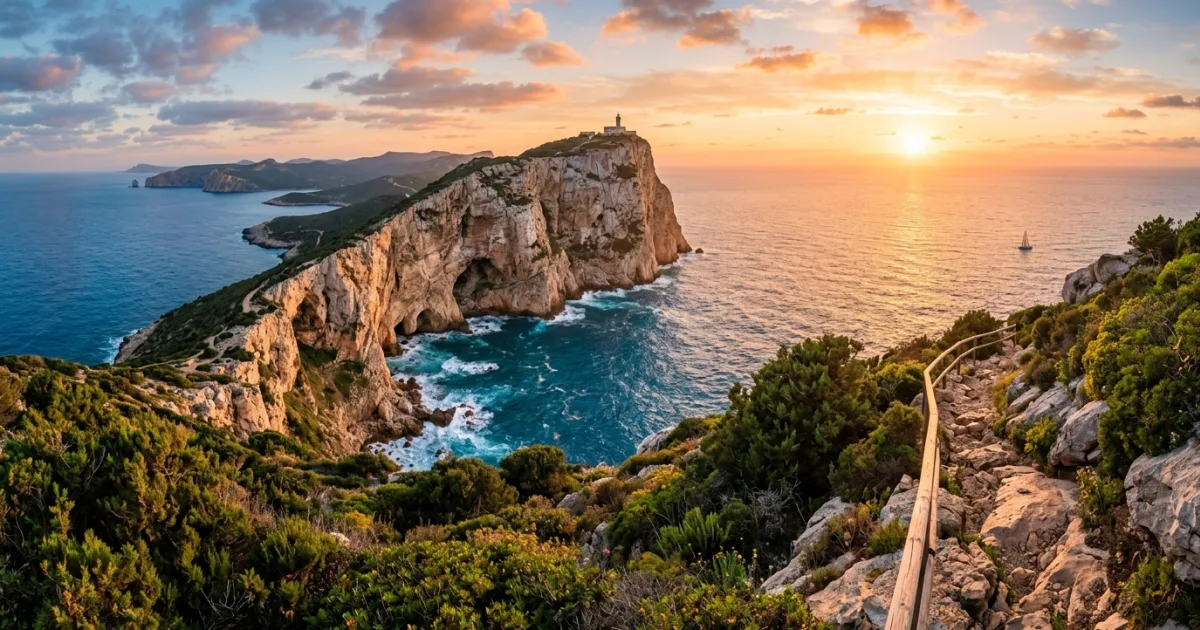
To the west, the walled city of Alghero preserves its defensive bastions and deep linguistic connection to Catalonia, creating an evocative backdrop along the Coral Riviera. Further north, the Stintino peninsula points outward toward Asinara Island, a former high-security prison colony transformed into a pristine national park home to rare albino donkeys. Whether examining the 5,000-year-old stepped pyramid of Monte d'Accoddi or driving along the dramatic coastline of Capo Caccia, the region provides rich layers of natural beauty and preserved history away from mass tourist circuits.
Reasons to Visit
- Explore Monte d'Accoddi, an extraordinary pre-Nuragic megalithic ziggurat unmatched anywhere else in the Western Mediterranean.
- Wander the dramatic sea bastions and Catalan Gothic alleys of Alghero's historic maritime center.
- Witness pristine marine environments and wild albino donkeys on the protected nature reserve of Asinara Island.
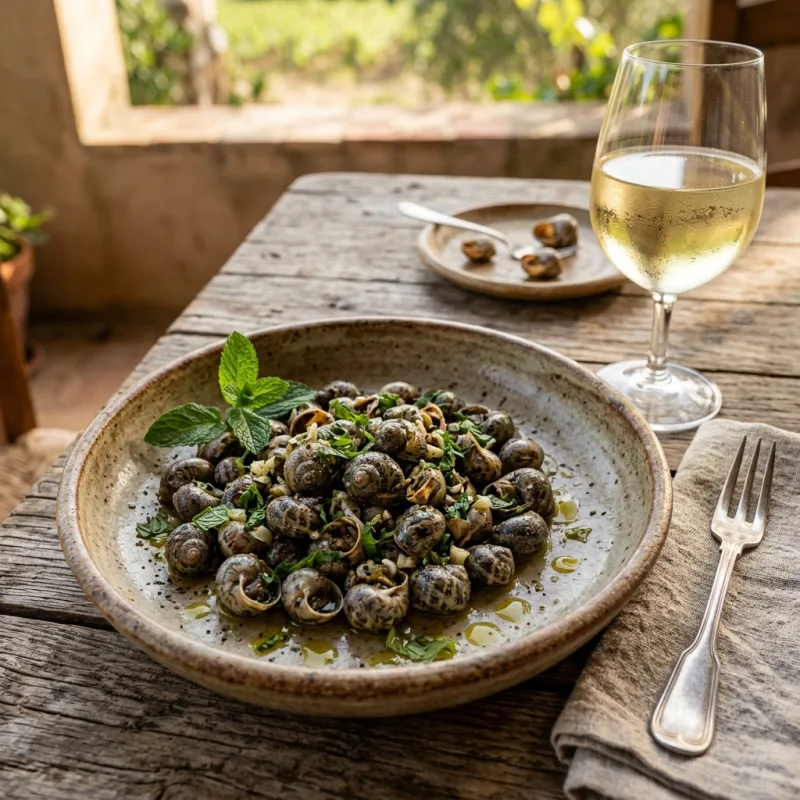
- Taste heritage Sardinian cuisine and cured meats during traditional feasts and rustic agriturismo dining experiences.
- Marvel at the striking striped black-and-white facade of the 12th-century Romanesque Basilica della Santissima Trinità di Saccargia.
Things to Avoid
- Avoid attempting to access famous beaches like La Pelosa without booking entrance tickets and beach mats well in advance during peak summer.
- Do not rely entirely on public buses for countryside sightseeing; schedules are infrequent outside urban corridors.
- Avoid collecting sand, shells, or stones from coastal shores, which carries hefty legal penalties and environmental damage.
- Do not expect shops and restaurants to remain open between 1:30 PM and 4:30 PM, as traditional riposo (afternoon break) is strictly observed.
Local Transportation Tips
Regional ARST buses link the major centers of Sassari, Porto Torres, and Alghero, and Trenitalia runs regular rail connections between Sassari and Porto Torres or down to Cagliari. However, a private car rental is essential for reaching remote archaeological sites, coastal reserves, and countryside agriturismi. Inside Sassari, an electric light rail tramway (Metrosassari) connects the central train station with major municipal districts, while historic city cores are easily traversed on foot.
Travel Etiquette
- Dress respectfully when entering historic churches and cathedrals; shoulders and knees should be covered.
- Acknowledge shopkeepers upon entering and leaving with a polite 'Buongiorno' or 'Buonasera'.
- Tipping is discretionary in local trattorias; rounding up the bill or leaving €1 to €2 per diner is customary for good service.
- Respect protected coastal flora and dunes by remaining strictly on designated boardwalks and footpaths.
Recommended Age Group
Northwest Sardinia offers balanced attractions for historical explorers, active outdoor travelers, and families seeking calm seas.
- Babies (0-2 years): Recommended. Calm shallow waters at beaches like Mugoni and Maria Pia offer safe paddling environments, though rugged cobblestones require sturdy strollers or carriers.
- Kids (3-12 years): Recommended. Children enjoy exploring pirate-like fortress towers in Castelsardo, riding open-air tourist trains, and spotting wild donkeys on Asinara.
- Teens (13-19 years): Recommended. Plentiful opportunities for snorkeling, sea kayaking, coasteering, and visiting coastal sea caves near Capo Caccia.
- Adults (20-64 years): Recommended. Perfect balance of world-class wine tastings, deep archaeological exploration, vibrant evening dining, and scenic driving routes.
- Seniors (65+ years): Recommended. Accessible historic walking paths in central Sassari and boat excursions to marine caves suit travelers seeking a relaxed pace, though steep fortress steps require caution.
Accessibility Level: Medium
- Piazza d'Italia and the central boulevards of Sassari offer level pavement and lowered sidewalk curbs suitable for wheelchairs.
- Major museums, including the Museo Nazionale Archeologico ed Etnografico G.A. Sanna, feature step-free access and elevator facilities.
- Several beaches along the Riviera del Corallo, such as Maria Pia, feature wooden boardwalks extending near the shoreline.
- Historical hilltop sites like Castelsardo and the steep cliffside staircase of Escala del Cabirol present significant physical barriers for travelers with reduced mobility.
Did You Know?
Monte d'Accoddi, situated just outside Sassari, is often compared to Mesopotamian ziggurats and is the only known stepped pyramid structure built in prehistoric Europe, dating back to approximately 4000–3200 BCE.
Cool Statistics
- Over 7,000 nuraghi monuments were built across Sardinia during the Bronze Age, with dense clusters across the Sassari territory.
- Asinara National Park spans more than 50 square kilometers of strictly preserved maritime and terrestrial ecosystems.
- The 654 steps of the Escala del Cabirol descend steep sea cliffs directly to the entrance of Neptune's Grotto at Capo Caccia.






Buy a compatible power adapter for your trip