Umbria, often referred to as 'Il Cuore Verde d'Italia' (The Green Heart of Italy), is a region that captivates visitors with its untouched landscapes and profound sense of history. Unlike the coastal regions, Umbria's charm lies in its rolling hills, dense woodlands, and the serene beauty of Lake Trasimeno. The region is a tapestry of medieval hill towns, each boasting its own unique character, from the Etruscan roots of Perugia and Orvieto to the spiritual tranquility of Assisi, the birthplace of St. Francis.
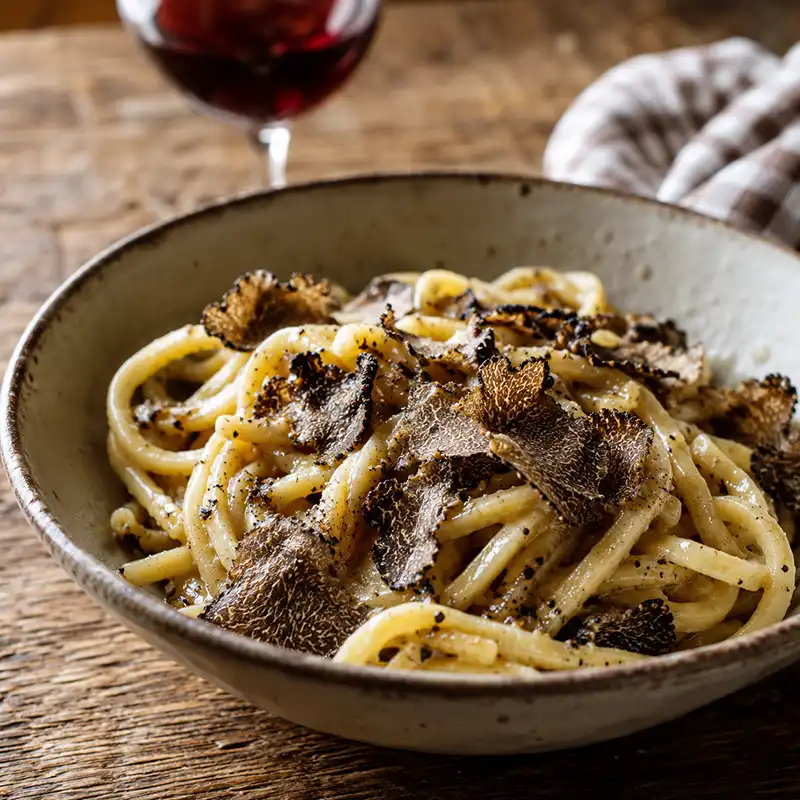
Travelers to Umbria can immerse themselves in a slower pace of life. The region is a haven for food and wine enthusiasts, offering robust Sagrantino wines, world-renowned black truffles, and exceptional extra virgin olive oil. Outdoor adventurers will find paradise in the Sibillini Mountains National Park, which offers spectacular hiking, cycling, and seasonal wildflower blooms. Whether you are exploring ancient Roman ruins, participating in a local truffle hunt, or simply enjoying a sunset over the Tiber Valley, Umbria provides an authentic and deeply rewarding Italian experience.
Reasons to Visit
- Authentic Atmosphere: Experience traditional Italian culture with fewer tourist crowds compared to neighboring regions.
- Culinary Excellence: Indulge in local specialties like black truffles, wild boar, and world-class wines such as Sagrantino di Montefalco.
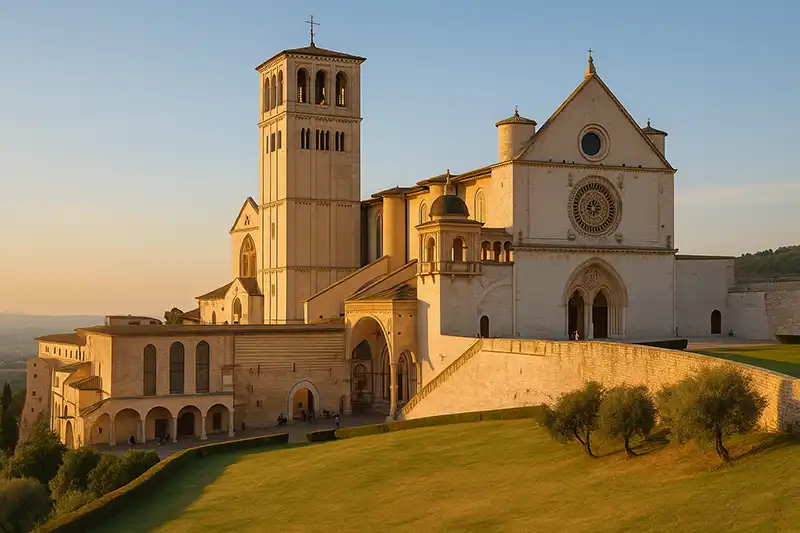
- Spiritual Heritage: Visit Assisi, a UNESCO World Heritage site and the spiritual home of St. Francis, featuring breathtaking frescoes by Giotto.
- Stunning Landscapes: Explore the diverse natural beauty, from the tranquil waters of Lake Trasimeno to the rugged peaks of the Sibillini Mountains.
- Medieval Architecture: Wander through perfectly preserved hill towns like Spello, Gubbio, and Todi, which feel like stepping back in time.
Things to Avoid
- Driving in ZTL Zones: Avoid driving into the historic centers of towns (Zona a Traffico Limitato) to prevent hefty fines; park outside the walls instead.
- Rushing the Experience: Umbria is meant for slow travel. Avoid packing too many towns into one day; take time to savor the atmosphere.
- Expecting English Everywhere: While common in tourist hubs, English is less spoken in rural areas. Don't assume everyone will understand it.
- Skipping the Local Wine: Don't stick only to well-known Italian wines like Chianti; miss out on Umbria's excellent local varietals like Grechetto and Sagrantino.
Local Transportation Tips
While major towns like Perugia, Assisi, Foligno, and Orvieto are well-connected by the Italian railway network (Trenitalia), the best way to truly experience Umbria's countryside and hidden villages is by renting a car. The roads are generally well-maintained, though driving in the hills can involve winding routes. For those relying on public transport, local buses (operated by Busitalia) connect smaller towns, but schedules can be sparse, especially on Sundays and holidays.
Travel Etiquette
- Dress Modestly: When visiting churches and religious sites, ensure your shoulders and knees are covered.
- Greeting: Always greet shopkeepers and restaurant staff with a 'Buongiorno' or 'Buonasera' when entering and leaving.
- Tipping: Tipping is not mandatory as a service charge (coperto) is often included in the bill, but leaving a few extra euros for good service is appreciated.
- Punctuality: Embrace the relaxed concept of time; dinners often start later (around 8:00 PM or 8:30 PM) and meals are meant to be enjoyed slowly.
Recommended Age Group
Umbria offers a versatile travel experience that caters to various age groups, though its hilly terrain requires some consideration.
- Babies (0-2 years): Neutral. While Italians are incredibly welcoming to infants, the steep, cobblestone streets of medieval hill towns can make navigating with a stroller quite challenging.
- Kids (3-12 years): Recommended. Children will love exploring ancient castles, running in open countryside spaces, and staying at family-friendly agriturismos with farm animals.
- Teens (13-19 years): Recommended. Active teens can enjoy hiking in the Sibillini Mountains, cycling around Lake Trasimeno, and exploring the underground tunnels of Orvieto.
- Adults (20-64 years): Recommended. The region is perfect for adults seeking wine tasting, culinary tours, historical exploration, and scenic road trips.
- Seniors (65+ years): Recommended. Seniors will appreciate the slow pace of travel, rich cultural heritage, and accessible agritourism, though care should be taken when visiting steep hill towns.
Accessibility Level: Medium
- Many historic hill towns in Umbria have steep inclines and cobblestone streets, which can be challenging for wheelchair users or those with limited mobility.
- Major attractions like the Basilica of San Francesco in Assisi have made efforts to improve accessibility, offering ramps and elevators where possible.
- When booking accommodation, look for modern hotels or specifically adapted agriturismos that offer ground-floor rooms and accessible bathrooms.
- Public transportation accessibility varies; newer regional trains are equipped for wheelchairs, but local buses may not always be fully accessible.
Did You Know?
Did you know that Umbria is home to the Marmore Falls (Cascata delle Marmore), which is one of the tallest waterfalls in Europe and the tallest man-made waterfall in the world? It was originally created by the ancient Romans in 271 BC to divert stagnant waters from the river Velino.
Cool Statistics
- Height of Marmore Falls: 165 meters (541 feet), making it the tallest man-made waterfall in the world.
- Truffle Production: Umbria produces the highest quantity of black truffles in Italy.
- Lake Trasimeno: It is the fourth largest lake in Italy, covering a surface area of 128 square kilometers.
- UNESCO Sites: Assisi and the Basilica of San Francesco are designated as a UNESCO World Heritage site.






Buy a compatible power adapter for your trip