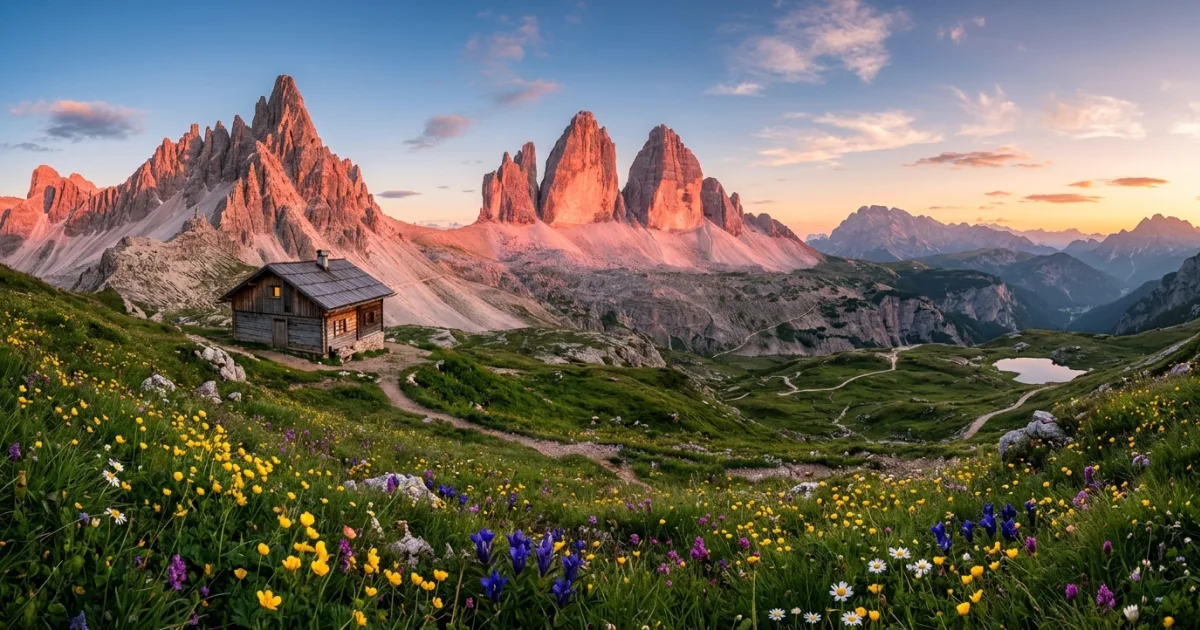
The Dolomites are a distinct mountain range in the Northern Italian Alps, numbering 18 peaks which rise to above 3,000 meters. Geologically unique, they are composed of fossilized coral reefs that were pushed upward by the collision of tectonic plates millions of years ago. This unique composition of carbonate rock (dolomite) is responsible for the mountains' striking pale color and their tendency to reflect the warm hues of the sun at dawn and dusk.
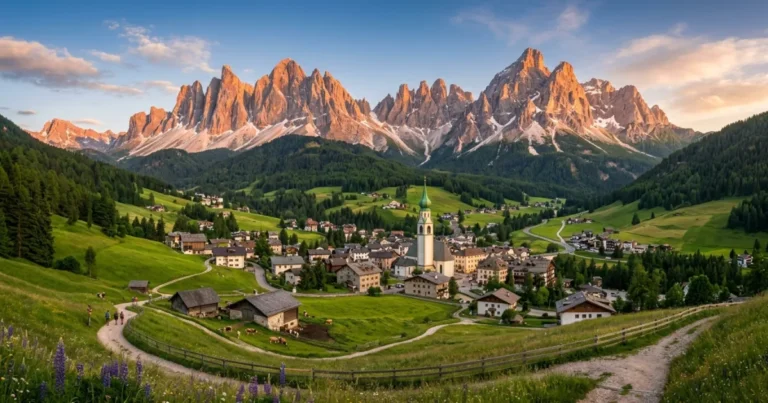
Culturally, the region is a fascinating crossroads. Depending on which valley you are in, you might hear Italian, German, or the ancient Ladin language. This tri-cultural heritage is deeply reflected in the local architecture, traditions, and gastronomy. Whether you are driving the winding Great Dolomites Road, skiing the famous Sella Ronda circuit, or simply enjoying a glass of local Lagrein wine on a sun-drenched terrace, the Dolomites offer a profound sense of place and natural majesty.
Reasons to Visit
- Unmatched Scenery: The jagged, vertical limestone peaks contrasting with rolling green alpine meadows create some of the most photogenic landscapes on Earth.
- World-Class Hiking: Thousands of kilometers of trails, ranging from leisurely meadow walks to multi-day high-altitude treks like the Alta Via 1.
- Winter Sports Paradise: Access to the Dolomiti Superski area, offering 1,200 kilometers of slopes accessible with a single pass.
- Via Ferrata: The birthplace of these 'iron paths,' offering thrilling, protected rock climbing experiences for adventurous travelers.
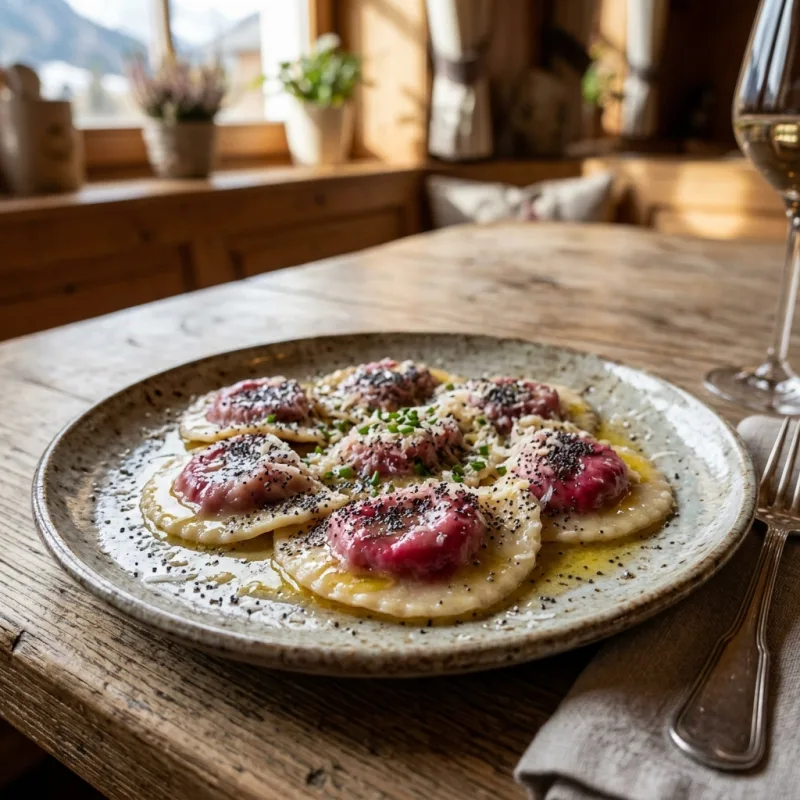
- Culinary Fusion: A unique blend of Mediterranean Italian flavors and hearty Austrian/Tyrolean mountain fare.
Things to Avoid
- Underestimating the Weather: Mountain weather changes rapidly. Never embark on a long hike without checking the forecast and packing waterproof layers.
- Relying Solely on Cards: Many high-altitude rifugios operate on a cash-only basis. Always carry enough Euros for food and emergencies.
- Overpacking your Itinerary: Driving distances look short on a map but take much longer due to winding, steep mountain passes.
- Hiking Off-Trail: This damages the fragile alpine ecosystem and increases the risk of triggering rockfalls or getting lost.
- Late Starts in Summer: Popular spots like Lago di Braies or Tre Cime di Lavaredo get incredibly crowded by 9 AM. Arrive at sunrise for the best experience.
Local Transportation Tips
Getting around the Dolomites is an experience in itself. Renting a car provides the ultimate freedom to explore winding mountain passes like the Passo Giau or Passo Gardena at your own pace. However, during peak summer months, parking at major trailheads can be expensive and fills up by early morning.
Alternatively, the region boasts a highly efficient public transportation network. The SAD bus network in South Tyrol and DolomitiBus in Veneto connect major towns, valleys, and trailheads. Many accommodations offer complimentary guest cards that provide free or heavily discounted access to local buses and regional trains. Additionally, an extensive network of cable cars and chairlifts operates in both summer and winter, whisking visitors effortlessly to high altitudes.
Travel Etiquette
- Greet Fellow Hikers: It is customary to greet people you pass on the trails with a friendly 'Buongiorno' (Italian), 'Grüß Gott' (German), or 'Bun dé' (Ladin).
- Respect the Rifugios: When entering a mountain hut, leave your muddy hiking boots in the designated boot room and switch to indoor slippers (often provided or bring your own).
- Leave No Trace: Pack out all your trash. There are no garbage collection services on the high mountain trails.
- Yield on Trails: Hikers going uphill generally have the right of way. Step aside to let them pass.
- Respect Wildlife and Livestock: Do not feed wild animals, and keep a respectful distance from grazing cows and sheep in the alpine pastures.
Recommended Age Group
The Dolomites offer diverse experiences that can be tailored to almost any age group, provided you choose the right valleys and activities.
- Babies (0-2 years): Neutral. While the fresh air is wonderful, navigating steep trails with a stroller is difficult. You will need a high-quality baby carrier backpack, and high altitudes may not be suitable for infants.
- Kids (3-12 years): Recommended. Many areas, like Alpe di Siusi, offer flat, family-friendly trails, adventure parks, and interactive nature walks perfect for children.
- Teens (13-19 years): Recommended. Thrill-seeking teens will love the via ferratas, mountain biking, zip-lining, and extensive winter sports options.
- Adults (20-64 years): Recommended. The ultimate playground for adults, offering everything from challenging multi-day treks and climbing to luxury spa retreats and gourmet dining.
- Seniors (65+ years): Recommended. The extensive network of cable cars makes high-altitude panoramic views easily accessible without strenuous hiking. Scenic drives and wellness resorts offer excellent relaxation.
Accessibility Level: Medium
- Many modern cable cars in the Dolomites are fully wheelchair accessible, allowing everyone to reach high-altitude viewpoints.
- The Alpe di Siusi (Seiser Alm) features several paved or hard-packed gravel trails that are relatively flat and suitable for off-road wheelchairs or mobility scooters.
- Accessible accommodations are increasingly common in major resort towns like Cortina d'Ampezzo, Ortisei, and Corvara, though it is crucial to verify specific barrier-free features directly with the hotel.
- Some traditional rifugios are difficult to access due to rugged terrain, but those located near major cable car stations often have ramps and accessible facilities.
- Public buses (SAD network) are generally equipped with ramps, but navigating the steep, cobbled streets of some historic alpine villages can be challenging.
Did You Know?
The Dolomites are named after the French mineralogist Déodat Gratet de Dolomieu, who was the first to describe the unique mineral composition of the rock (calcium magnesium carbonate) in the 18th century. Before this, they were simply known as the 'Pale Mountains'.
During World War I, the Dolomites were the site of fierce and tragic battles between the Italian and Austro-Hungarian armies. The soldiers carved extensive tunnels, trenches, and via ferratas into the rock faces, many of which are still visible and can be explored by hikers today as open-air museums.
Cool Statistics
- Highest Peak: Marmolada, standing at 3,343 meters (10,968 feet), also home to the region's largest glacier.
- UNESCO Status: Inscribed as a World Heritage Site in 2009 for its geological significance and aesthetic landscape.
- Skiing Extravaganza: The Dolomiti Superski pass covers 12 ski resorts and 1,200 km of slopes.
- Linguistic Diversity: Around 30,000 people in the region still speak Ladin, a language older than Italian.
- National Parks: The region encompasses 1 national park (Dolomiti Bellunesi) and 9 regional nature parks.








Buy a compatible power adapter for your trip