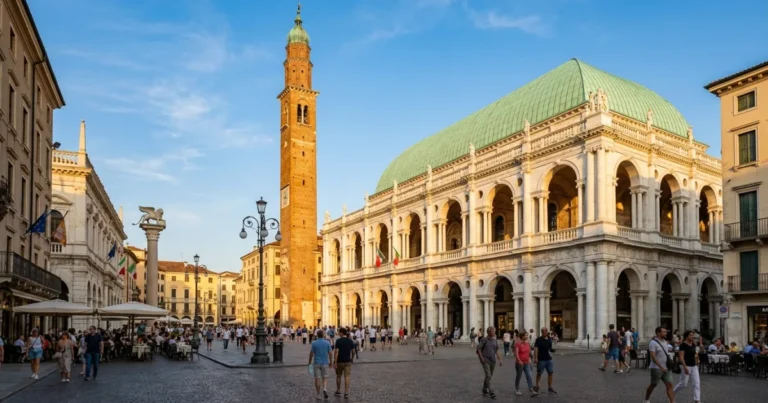
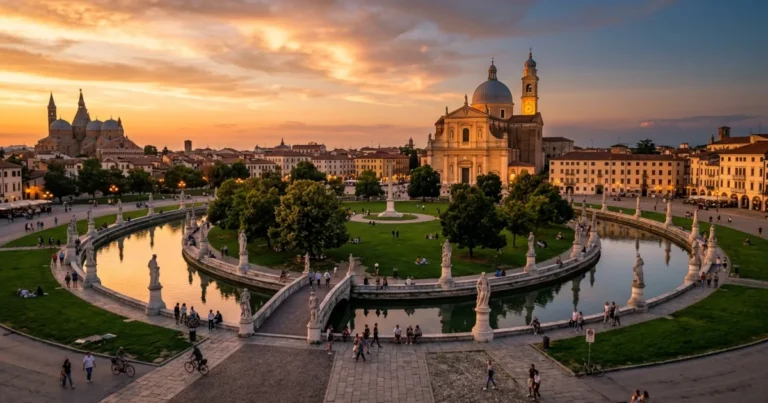
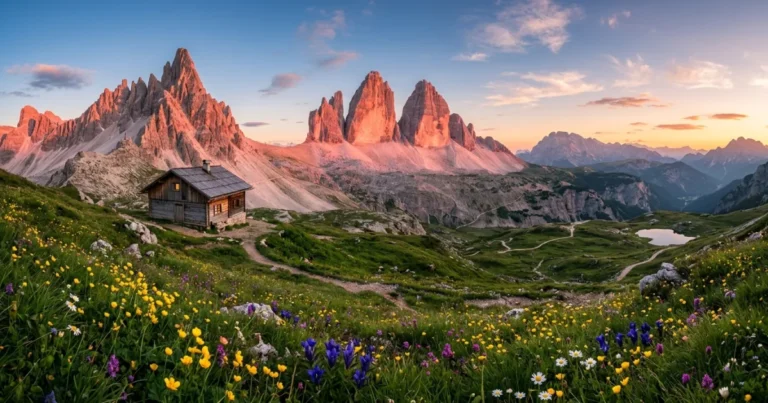
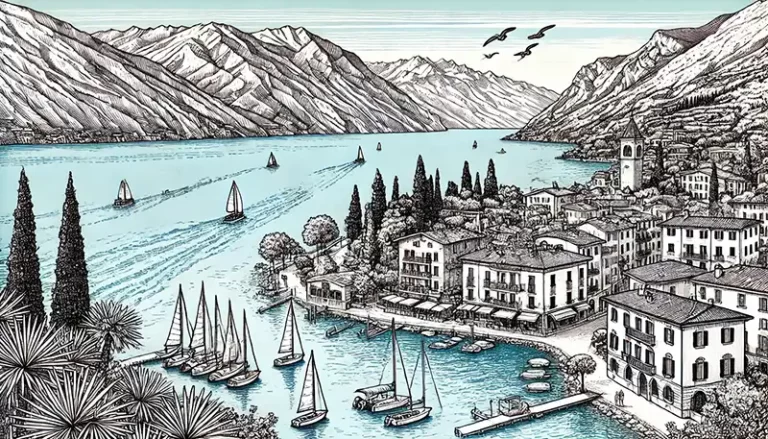
Veneto's geographical diversity is one of its greatest assets. To the north, the jagged, pale peaks of the Dolomites offer world-class skiing in the winter and spectacular hiking in the summer. Moving south, the landscape softens into the rolling, vine-covered hills of Valdobbiadene and Conegliano, the heartland of Prosecco. The central plains are dotted with historic cities like Padua, home to one of the world's oldest universities, and Vicenza, celebrated for the architectural masterpieces of Andrea Palladio. To the west lies the eastern shore of Lake Garda, a haven for water sports and family resorts. Finally, the eastern border meets the Adriatic Sea, dominated by the Venetian Lagoon and the unparalleled, floating city of Venice.
Reasons to Visit
- Venice: Experience the magic of the Grand Canal, St. Mark's Basilica, and the historic Doge's Palace.
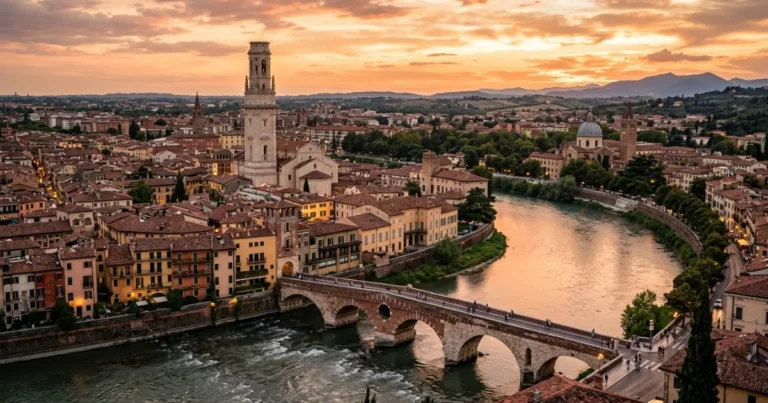
- Verona: Walk in the footsteps of Romeo and Juliet and watch an opera in the ancient Roman Arena.
- The Dolomites: Hike, ski, or simply marvel at this UNESCO World Heritage mountain range.
- Wine Country: Tour the Prosecco Road or taste robust reds in the Valpolicella region.
- Lake Garda: Enjoy sailing, windsurfing, and charming lakeside villages like Malcesine and Bardolino.
Things to Avoid
- Avoid eating at restaurants with large, multi-language picture menus right next to major tourist attractions; seek out local trattorias instead.
- Do not forget to validate your regional train ticket at the machines on the platform before boarding, or you risk a hefty fine.
- Avoid visiting Venice in the peak of August if possible, as the heat, humidity, and crowds can be overwhelming.
- Do not sit on bridges, church steps, or monuments to eat your lunch in Venice; it is strictly prohibited and heavily fined.
Local Transportation Tips
Public transportation in Veneto is robust and reliable. Trenitalia operates frequent services connecting Venice, Treviso, Padua, Vicenza, and Verona. In Venice, the primary mode of public transport is the 'vaporetto' (water bus) operated by ACTV. For exploring the rural areas, such as the Prosecco hills, the Palladian villas, or the Dolomites, renting a car provides the most flexibility. Regional buses (like ATVO and Dolomiti Bus) also connect smaller towns and mountain resorts, though services can be infrequent on Sundays and holidays.
Travel Etiquette
- Always greet shopkeepers and restaurant staff with a polite 'Buongiorno' (Good morning) or 'Buonasera' (Good evening) upon entering.
- Dress appropriately when visiting churches; shoulders and knees must be covered for both men and women.
- Do not order a cappuccino after 11:00 AM; Italians consider milk-heavy coffees strictly for breakfast. Opt for an espresso or macchiato instead.
- When drinking wine, wait for a toast ('Cin cin' or 'Salute') and make eye contact before taking your first sip.
Recommended Age Group
Veneto offers diverse attractions that cater to travelers of all ages, from theme parks to historic ruins.
- Babies (0-2 years): Neutral. While Italians are incredibly welcoming to infants, navigating Venice's many bridges with a stroller can be physically exhausting. A baby carrier is highly recommended.
- Kids (3-12 years): Recommended. Children will love the boat rides in Venice, the gelato, and the theme parks around Lake Garda, such as Gardaland.
- Teens (13-19 years): Recommended. Teens can enjoy active pursuits like hiking and mountain biking in the Dolomites, as well as exploring the history and shopping in Verona and Venice.
- Adults (20-64 years): Recommended. Perfect for wine tasting, romantic getaways, culinary tours, and deep dives into art and architecture.
- Seniors (65+ years): Recommended. The region offers excellent slow travel opportunities, accessible museums, and comfortable train travel, though care should be taken when planning routes in Venice to minimize bridge crossings.
Accessibility Level: Medium
- Venice presents unique challenges due to its bridges, but the city has made strides in accessibility. Vaporettos are wheelchair accessible, and the city provides maps highlighting barrier-free routes.
- Cities like Verona, Padua, and Vicenza are generally flat and feature many pedestrianized zones, making them more wheelchair-friendly.
- Many major museums and galleries across the region offer ramps, elevators, and accessible restrooms.
- When booking agritourism stays or historic villas, always contact the property in advance to confirm the availability of ground-floor rooms and accessible facilities.
Did You Know?
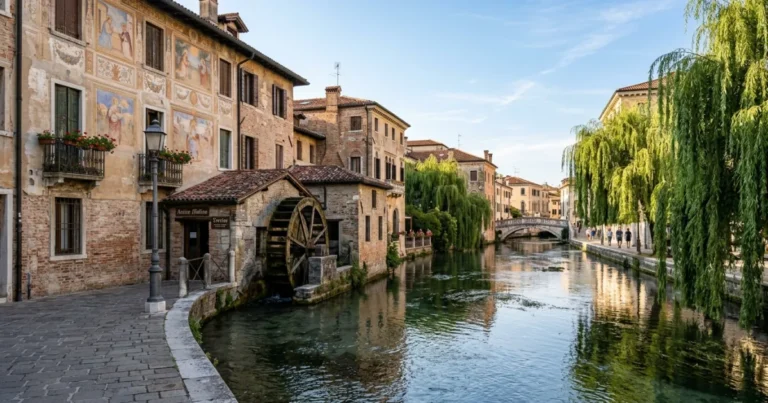
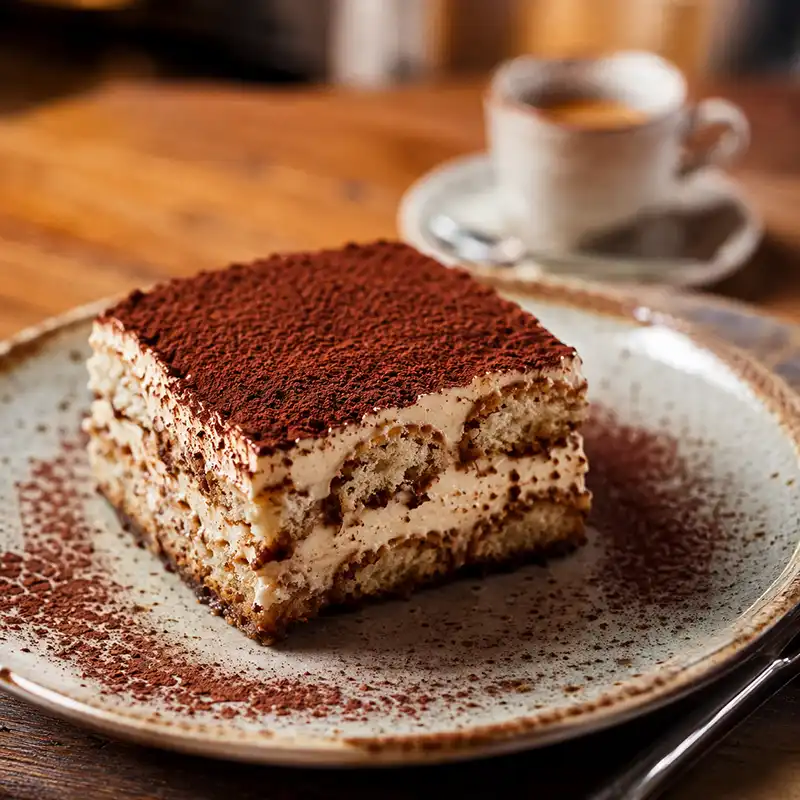
Did you know that the world-famous dessert Tiramisù was invented in the Veneto region? While its exact origins are debated, most culinary historians agree it was created in the city of Treviso in the late 1960s or early 1970s at the restaurant Le Beccherie.
Cool Statistics
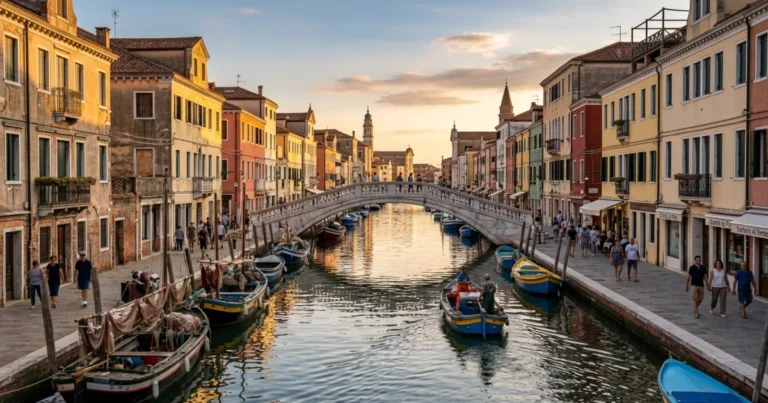
- Venice is built on an archipelago of 118 small islands connected by over 400 bridges.
- The Veneto region produces over 10 million hectoliters of wine annually, making it one of Italy's largest wine-producing regions.
- The University of Padua, founded in 1222, is the second-oldest university in Italy and the fifth-oldest surviving university in the world.
- The Verona Arena, built in 30 AD, is one of the best-preserved Roman amphitheaters and can still host up to 15,000 spectators for its summer opera festival.







Buy a compatible power adapter for your trip