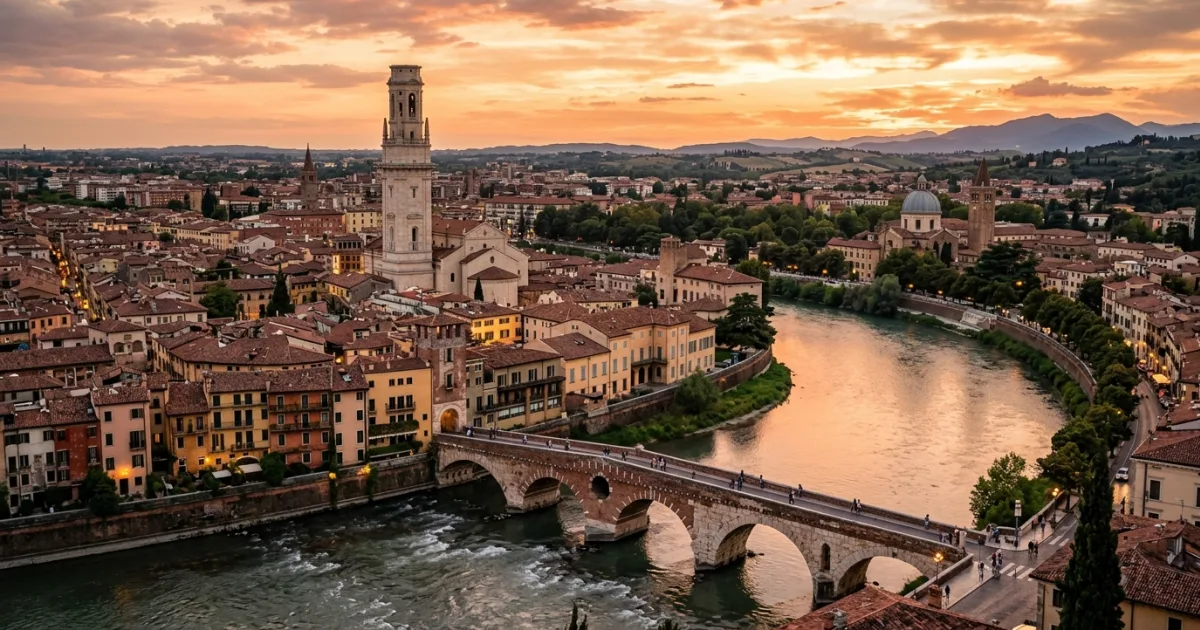
Verona's history spans over two millennia, evolving from a crucial Roman settlement into a powerful medieval city-state under the rule of the Scaligeri family. This layered history is visible on every corner, from the monumental 1st-century Arena di Verona to the imposing Castelvecchio, a 14th-century red-brick fortress that now houses an excellent art museum. The city's layout still reflects its Roman street grid, centered around the vibrant Piazza delle Erbe, which was once the ancient forum and remains the beating heart of Veronese social life.
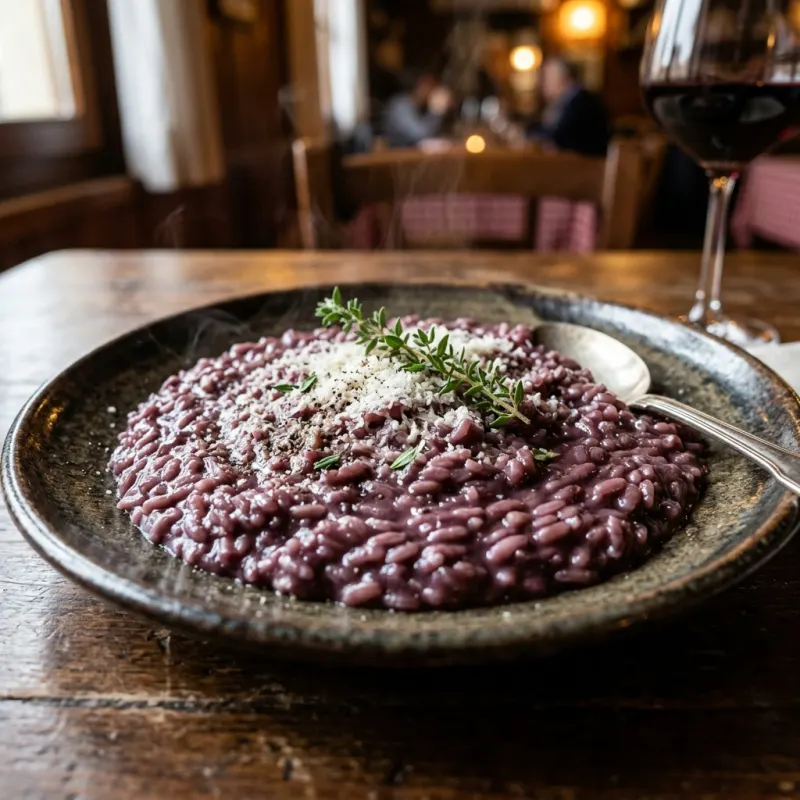
Beyond its architectural splendor, Verona is a gateway to some of Italy's finest wine country. The rolling hills of Valpolicella lie just to the north, producing world-renowned red wines like Amarone and Ripasso. The city itself embraces a sophisticated yet relaxed lifestyle, where evenings are spent strolling along the elegant Via Mazzini or enjoying an aperitivo in Piazza dei Signori. Whether you are drawn by the tragic romance of Shakespeare, the thrill of a live opera in an ancient amphitheater, or the simple joy of authentic Italian gastronomy, Verona delivers an unforgettable experience.
Reasons to Visit
- The Arena di Verona: One of the best-preserved Roman amphitheaters in the world, still hosting spectacular live operas and concerts.
- Romantic Heritage: Walk in the footsteps of Romeo and Juliet, visiting the famous balcony and soaking in the city's romantic atmosphere.
- Exceptional Wine: Proximity to the Valpolicella, Bardolino, and Soave wine regions makes it a paradise for oenophiles.
- Walkability: The historic center is compact, pedestrian-friendly, and filled with stunning architecture at every turn.
- Lake Garda Proximity: Located just a short train or bus ride away, making Verona a perfect base for exploring Italy's largest lake.
Things to Avoid
- Eating on the main piazzas: Restaurants directly on Piazza Bra or Piazza delle Erbe are often overpriced and cater heavily to tourists.
- Visiting Juliet's House at midday: The small courtyard gets incredibly congested; visit early in the morning or late in the afternoon.
- Driving in the city center: Verona has strict ZTL (Limited Traffic Zones) where unauthorized driving results in hefty fines. Park outside the center.
- Skipping the viewpoints: Don't miss taking the funicular or walking up to Castel San Pietro for the best panoramic views of the city.
Local Transportation Tips
Verona's historic center is highly compact and best explored on foot. Most major attractions, from the Arena to the Roman Theater, are within a 15 to 20-minute walk of each other. The city is largely pedestrianized, making walking both safe and enjoyable.
For longer distances or getting to and from the Verona Porta Nuova train station, the local ATV bus network is efficient and affordable. Tickets can be purchased at tobacconists (tabaccherie) or via the official app. Taxis are available at designated ranks, such as at the train station and Piazza Bra, but cannot be hailed directly on the street. Bicycles are also a popular way to get around, with a municipal bike-sharing scheme available for visitors.
Travel Etiquette
- Dress Code: When visiting churches like the Duomo or Basilica di San Zeno, ensure your shoulders and knees are covered.
- Greetings: Greet shopkeepers and restaurant staff with a friendly 'Buongiorno' (Good morning) or 'Buonasera' (Good evening) upon entering.
- Tipping: Tipping is not strictly required as a service charge (coperto) is often included, but leaving a few extra euros for good service is appreciated.
- Coffee Culture: Cappuccino is strictly a morning drink in Italy. Order an espresso or macchiato after meals.
Recommended Age Group
Verona is a versatile destination that caters well to various age groups, offering a mix of history, culture, and relaxed Italian charm.
- Babies (0-2 years): Neutral. While Italians are incredibly welcoming to infants, the cobblestone streets can make navigating with a stroller slightly bumpy.
- Kids (3-12 years): Recommended. Children will love exploring the medieval Castelvecchio, eating world-class gelato, and running around the spacious, car-free piazzas.
- Teens (13-19 years): Recommended. The romantic lore of Romeo and Juliet, excellent shopping on Via Mazzini, and climbing the Torre dei Lamberti provide great engagement for teens.
- Adults (20-64 years): Recommended. Perfect for romantic getaways, wine tasting in nearby Valpolicella, and enjoying evening operas in the ancient Arena.
- Seniors (65+ years): Recommended. The historic center is mostly flat and highly walkable, with plenty of benches and cafes for resting, though comfortable shoes are a must for the cobblestones.
Accessibility Level: Medium
- The historic center of Verona is relatively flat, making it generally accessible for wheelchair users, though cobblestone streets can present a challenge.
- Major attractions like the Arena di Verona have specific accessible entrances and viewing areas for visitors with mobility issues.
- Many of the city's museums, including Castelvecchio, have been retrofitted with elevators and ramps where possible.
- Accessible public restrooms are available in key tourist areas and within major museums.
- The local ATV buses are equipped with ramps and designated spaces for wheelchair users.
Did You Know?
Did you know that the Arena di Verona actually predates the Colosseum in Rome? Built in 30 AD, it is older and, thanks to continuous use and maintenance throughout the centuries, remains in a much better state of preservation, allowing it to host up to 15,000 spectators for modern performances.
Cool Statistics
- Built: The Arena di Verona was constructed in 30 AD.
- Capacity: The Arena originally held 30,000 spectators; today it holds 15,000 for safety reasons.
- UNESCO Status: Verona was declared a World Heritage Site by UNESCO in 2000.
- Bridges: The city is connected by 7 historic bridges crossing the Adige River.






Buy a compatible power adapter for your trip