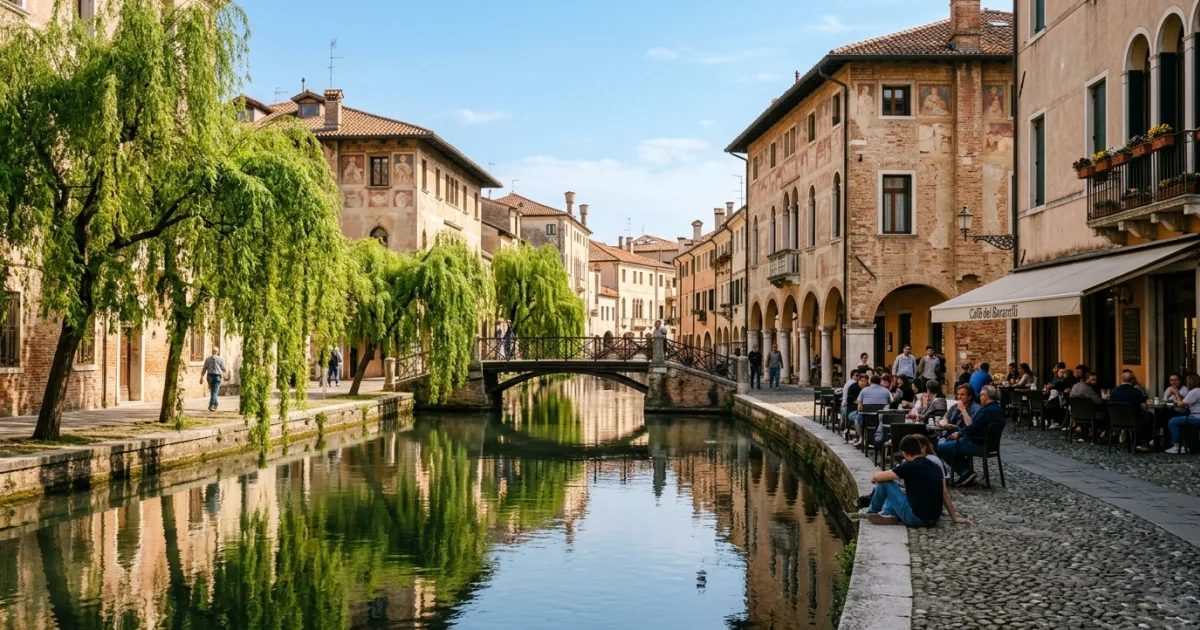
The Canals of Treviso are the lifeblood of this elegant Veneto city, weaving a tapestry of water, stone, and greenery through its historic center. The Botteniga river splits into several branches as it enters the city walls, creating the Cagnan, Buranelli, and Roggia canals. These waterways were historically essential for the city's economy, powering numerous grain mills—some of which, like those near the Pescheria, are still visible and functioning today. Walking along these canals offers a journey back in time, where the gentle rush of water provides a constant, soothing soundtrack to urban exploration.
Beyond their historical significance, the canals are the focal point of Treviso's social life. The banks are dotted with charming osterias, cafes, and wine bars where locals gather for an evening 'aperitivo'. The architecture lining the water is a stunning mix of medieval brickwork, elegant porticoes, and facades adorned with faded Renaissance frescoes. The Canale dei Buranelli, named after the merchants from the Venetian island of Burano who once lived there, is particularly enchanting. With its weeping willows dipping into the water and picturesque bridges, it encapsulates the romantic and tranquil spirit of Treviso, making it a must-visit destination for anyone seeking the authentic charm of Northern Italy.
Reasons to Visit
- Experience the charm of Italian canals without the overwhelming crowds of Venice.
- Photograph the stunning Canale dei Buranelli and historic, functioning watermills.
- Enjoy authentic Veneto cuisine and cicchetti at waterfront bacari.
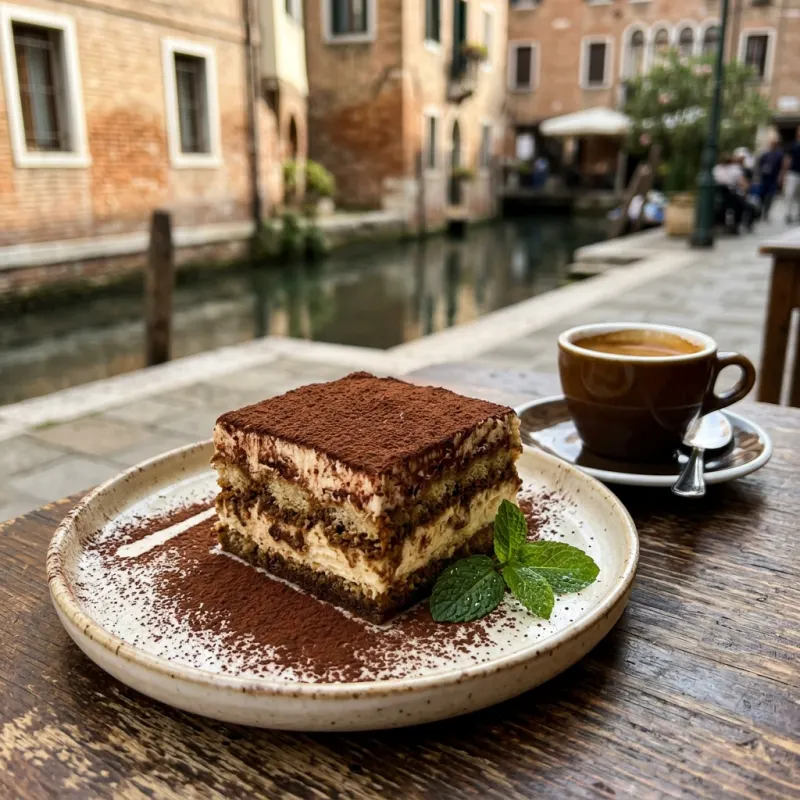
- Taste original Tiramisù in the very city where the famous dessert was invented.
- Explore a highly walkable, flat, and pedestrian-friendly historic city center.
Things to Avoid
- Avoid expecting gondola rides or major boat tours; Treviso's canals are meant to be enjoyed from the banks.
- Do not drive into the historic center, as it is a Restricted Traffic Zone (ZTL) with heavy fines for unauthorized vehicles.
- Avoid eating at restaurants with large, multi-language picture menus; seek out smaller, local osterias instead.
- Don't forget mosquito repellent if visiting during the peak summer months, as the proximity to water can attract insects.
Local Transportation Tips
The best way to explore the Canals of Treviso is entirely on foot. The historic center is compact, flat, and largely pedestrianized, making walking both easy and enjoyable. For venturing slightly further out or following the Sile River, renting a bicycle is a fantastic option, as Treviso is very bike-friendly with numerous dedicated paths. Public buses are available for reaching the train station or airport, but they are rarely needed for exploring the canal areas themselves.
Travel Etiquette
- Greet shopkeepers and restaurant staff with a polite 'Buongiorno' (Good morning) or 'Buonasera' (Good evening) upon entering.
- Dress neatly; Italians appreciate 'la bella figura' (making a good impression), so avoid overly casual beachwear in the city center.
- Tipping is not strictly required as a service charge (coperto) is often included, but leaving a few extra euros for good service is appreciated.
- When walking on narrow paths along the canals, be mindful of cyclists and step aside to let them pass.
Recommended Age Group
The Canals of Treviso offer a relaxed and accessible environment suitable for a wide range of travelers.
- Babies (0-2 years): Neutral. While the city is flat, the historic cobblestone streets can make pushing a stroller slightly bumpy.
- Kids (3-12 years): Recommended. Children will enjoy watching the ducks and swans in the water, as well as seeing the historic wooden watermills in action.
- Teens (13-19 years): Recommended. The highly photogenic scenery is perfect for photography, and the relaxed cafe culture is very appealing.
- Adults (20-64 years): Recommended. Ideal for romantic walks, enjoying local wine and cicchetti, and exploring historic architecture at a leisurely pace.
- Seniors (65+ years): Recommended. The terrain is completely flat, and there are numerous benches and cafes along the canals for resting and taking in the views.
Accessibility Level: Medium
- The historic center of Treviso is generally flat, making it relatively easy to navigate for wheelchair users.
- Some paths along the canals feature cobblestones, which can be uneven and require a bit of extra effort to traverse.
- Many of the small bridges crossing the canals have steps, though alternative step-free routes are usually available by navigating around the block.
- Most modern cafes and restaurants along the main waterways offer accessible entrances, though older, historic osterias may have a small step at the door.
Did You Know?
Did you know that Treviso is often referred to as 'Urbs Picta' (the Painted City)? Many of the historic houses lining the canals still feature remnants of elaborate frescoes on their facades, a symbol of wealth and status during the Renaissance when the city was under the rule of the Venetian Republic.
Cool Statistics
- The Botteniga river splits into exactly 3 main canals (Cagnan, Buranelli, and Roggia) upon entering Treviso's historic center.
- Treviso is home to several historic watermills, with the most famous ones located at the Ponte de Pria and the Pescheria.
- The city's fish market (Pescheria) is located on a small, man-made island in the middle of the Cagnan canal, established in 1856.
- Treviso is officially recognized as the birthplace of Tiramisù, which was invented here in the late 1960s.






Buy a compatible power adapter for your trip