Disclosure: This site contains affiliate links. We may earn a commission if you make a purchase, at no extra cost to you.

>
>
>
>
>
The Prosecco Hills

The Prosecco Hills

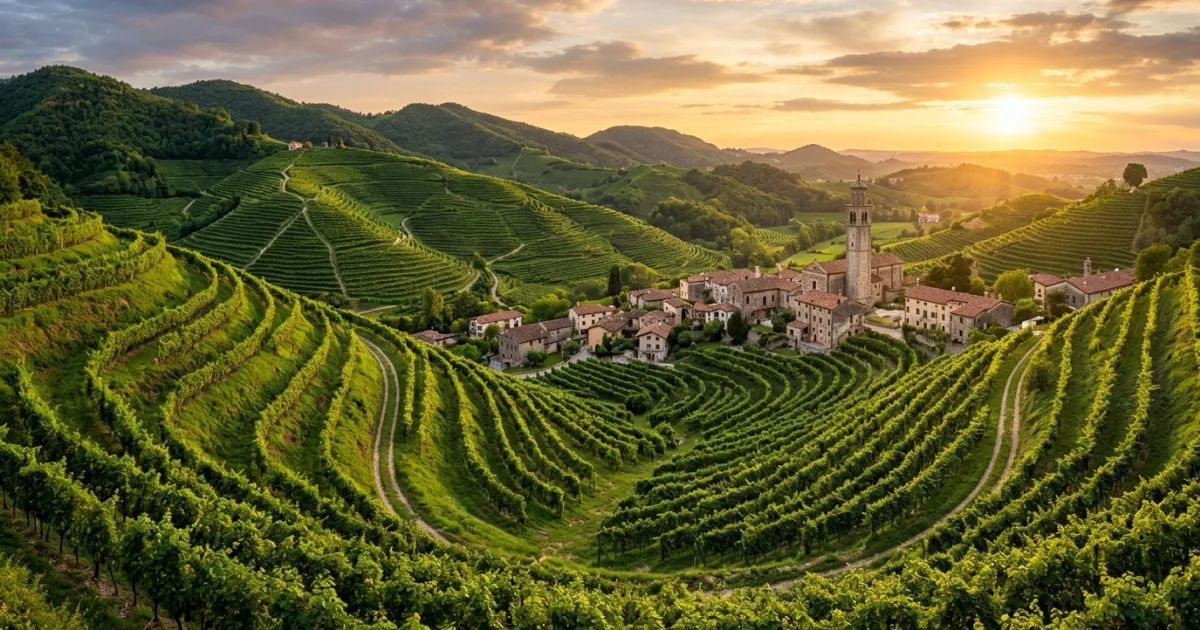
Panoramic view of the terraced vineyards in the Prosecco Hills during golden hour

The Prosecco Hills Overview & Key Highlights

The Prosecco Hills, officially known as Le Colline del Prosecco di Conegliano e Valdobbiadene, form a UNESCO World Heritage site in the Veneto region of northeastern Italy. Characterized by steep, terraced vineyards known as ciglioni, this agricultural landscape has been shaped by centuries of viticulture. Visitors can explore a network of small villages, historic abbeys, and family-run wineries that produce the world-renowned Conegliano Valdobbiadene Prosecco Superiore DOCG. Beyond wine tasting, the region offers extensive outdoor activities, including cycling along the Strada del Prosecco and hiking through lush forests and rolling hills. The area maintains a deep connection to its culinary heritage, with numerous agriturismos serving traditional Venetian dishes made from locally sourced ingredients. Travelers seeking a slower pace will find the Prosecco Hills to be an ideal destination for relaxation, cultural immersion, and scenic exploration away from the crowded tourist hubs of nearby Venice.

The Prosecco Hills Travel Guide: Logistics & In-Depth Tips

The Prosecco Hills offer a captivating blend of natural beauty, agricultural heritage, and culinary excellence. Located just an hour north of Venice, this region feels worlds away from the bustling canals. The landscape is defined by the 'ciglioni'—small plots of vines on narrow grassy terraces—which require entirely manual labor to maintain, a testament to the dedication of local winemakers. The Strada del Prosecco, Italy's oldest wine route established in 1966, winds through this picturesque terrain, connecting the key towns of Conegliano and Valdobbiadene.

Beyond the vineyards, the region is dotted with historical landmarks, including the Molinetto della Croda, a charming 17th-century watermill, and the Abbey of Follina, a stunning example of Cistercian architecture. Outdoor enthusiasts will find a paradise of cycling routes and hiking trails that offer panoramic views of the pre-Alps and the Venetian plain. Whether you are sipping a crisp DOCG Prosecco overlooking a sun-drenched valley or enjoying a rustic meal in a traditional osteria, the Prosecco Hills provide an authentic and unforgettable Italian escape.

Reasons to Visit

  • Experience world-class wine tasting directly at the source of Conegliano Valdobbiadene Prosecco Superiore DOCG.
  • Explore a unique UNESCO World Heritage landscape characterized by steep, terraced vineyards.
  • Enjoy authentic farm-to-table dining at traditional Venetian agriturismos.
  • Drive or cycle along the historic Strada del Prosecco, Italy's oldest wine route.
  • Escape the heavy tourist crowds of nearby Venice for a serene, slow-travel experience.

Things to Avoid

  • Avoid driving after participating in multiple wine tastings; utilize designated drivers or local transport services.
  • Do not expect large, commercialized tasting rooms everywhere; many wineries are small, family-run operations that require advance booking.
  • Avoid visiting during the peak of winter if you want to experience the full range of open wineries and restaurants.
  • Don't limit yourself to just wine; missing out on the local food, hiking, and historical sites would be a mistake.

Local Transportation Tips

The most efficient way to explore the Prosecco Hills is by rental car, which provides the flexibility to navigate the winding rural roads and reach secluded wineries. For those who prefer not to drive, guided wine tours via minivan are widely available from nearby cities like Treviso and Venice. Cycling is also incredibly popular, with numerous shops offering e-bike rentals, which are highly recommended for tackling the steep inclines of the vineyard terraces.

Travel Etiquette

  • Always book wine tastings and tours in advance, as drop-ins are often not accommodated at smaller estates.
  • Dress smartly but comfortably; Italians appreciate a neat appearance, even in rural settings.
  • Greet shopkeepers and winery hosts with a polite 'Buongiorno' or 'Buonasera' upon entering.
  • When tasting wine, it is perfectly acceptable to use the spittoons provided, especially if you are driving.
  • Tipping is not obligatory but leaving a few Euros for exceptional service at a restaurant or after a guided tour is appreciated.

Recommended Age Group

The Prosecco Hills cater primarily to adults seeking culinary and scenic experiences, though active families can also find enjoyment.

  • Babies (0-2 years): Neutral. The rural setting is peaceful, but navigating steep vineyards and historic estates with a stroller can be challenging.
  • Kids (3-12 years): Neutral. While there is plenty of open space and nature, the primary focus of the region is wine tasting, which may not engage younger children.
  • Teens (13-19 years): Recommended. Older children can enjoy the active outdoor pursuits like cycling and hiking, as well as the rich history of the area.
  • Adults (20-64 years): Recommended. The region is a paradise for adults seeking culinary experiences, wine tasting, and romantic scenic drives.
  • Seniors (65+ years): Recommended. Silver nomads will appreciate the slow travel pace, accessible wine tasting rooms, and comfortable agriturismo stays.

Accessibility Level: Medium

  • Many modern wineries and larger tasting rooms have been updated to include wheelchair-accessible entrances and restrooms.
  • Historic sites and older, family-run cantinas may present challenges due to uneven cobblestones, steep terrain, and lack of elevators.
  • Accessible parking is generally available at major attractions and larger agriturismos.
  • Travelers with mobility needs should contact wineries in advance to confirm accessibility and request ground-floor tastings.

Did You Know?

The steep hills of the Prosecco region are so difficult to navigate that all grape harvesting must be done entirely by hand. This labor-intensive process is known locally as 'heroic viticulture' due to the extreme angles of the terraced vineyards.

Cool Statistics

  • The Prosecco Hills were officially inscribed as a UNESCO World Heritage site in 2019.
  • The Strada del Prosecco, stretching between Conegliano and Valdobbiadene, is approximately 90 kilometers long.
  • The region produces over 90 million bottles of Conegliano Valdobbiadene Prosecco Superiore DOCG annually.
  • The Glera grape must make up at least 85% of the blend for a wine to be legally classified as Prosecco.


Address:

The Prosecco Hills, Italy

Find Nearby Accommodations

Basic Info

address icon

COUNTRY & Region

Italy,
Europe

ACCESSIBILITY LEVEL​

Medium
Currency icon

LOCAL CURRENCY​

Euro (EUR)
Price level icon
Medium
Safety Level icon

SAFETY LEVEL

Duration icon

Recommended Duration

• Full day
• 1-7 days

Electricity

electricity icon

Electricity

220-240V, 
50Hz
Plug Socket icon

Plug Type

• Type C (Round pin)
• Type F (Two round pins with earth clips)
• Type L (Three round pins in line)
Plug types
Click To View Plug Types
The Prosecco Hills is part of our
Silver Nomads collection

Activities To Do In The Prosecco Hills

Best Time To Visit The Prosecco Hills

The optimal time to visit the Prosecco Hills is during the spring (April to June) and early autumn (September to October).

  • Spring: Offers mild temperatures, blooming landscapes, and fewer crowds, making it ideal for cycling and hiking.
  • Autumn: Coincides with the grape harvest (vendemmia), providing a lively atmosphere and the chance to witness the winemaking process firsthand.
  • Summer: Can be quite warm and busy, though the higher elevations offer some respite from the heat of the plains.
  • Winter: Quiet and serene, but many wineries and restaurants operate on reduced hours or close for the season.

Average Temperatures Per Month

Remember to check the weather forecast a few days before the trip and before heading to the airport.

Safety Level icon

Safety Level

The Prosecco Hills region is exceptionally safe, with very low crime rates. The primary safety concerns are related to outdoor activities and driving. Roads can be narrow, winding, and steep; drive cautiously and be aware of cyclists. If participating in wine tastings, ensure you have a designated driver or use local taxi services, as Italy has strict drink-driving laws.

The rating is based on multi-year peace, crime, and security indices. Before you go, always verify current conditions through official government travel advisories.

Emergency Numbers

Police: 112
Ambulance: 118

No internet needed • Includes local translations • Free for TravelingWiz readers

Spoken Languages

Italian is the primary language. The local Venetian dialect is also widely spoken among residents. English is commonly understood in hotels, larger wineries, and tourist-focused restaurants, but may be limited in smaller, rural establishments.

Learn The Language

  • Buongiorno (Good morning)
  • Grazie mille (Thank you very much)
  • Un calice di Prosecco, per favore (A glass of Prosecco, please)
  • Quanto costa? (How much does it cost?)
  • Dov’è il bagno? (Where is the bathroom?)
  • Il conto, per favore (The bill, please)
  • Parla inglese? (Do you speak English?)
  • Arrivederci (Goodbye)
Travel Booking Partner - TravelingWiz

Trip Cost & Budgeting for The Prosecco Hills, 2026

Everything you need to know about money while traveling

The Prosecco Hills offer a moderate price point for travelers, providing excellent value compared to Italy's major tourist cities like Venice or Rome. Accommodation ranges from affordable family-run agriturismos to more luxurious boutique wine resorts, while dining heavily features reasonably priced local osterias. With TravelingWiz's Human Verified data, a typical traveler should expect to spend around $165 USD per day for a mid-range trip. This budget comfortably covers a rental car, daily wine tasting fees, and hearty farm-to-table meals. Click the Trip Cost Calculator button below the table to work out your personal budget for this trip.

Currency icon

LOCAL CURRENCY​:

Euro (EUR)
Price level icon
Medium
Credit and debit cards are widely accepted at hotels, larger wineries, and restaurants. However, carrying some cash (Euros) is highly recommended for small purchases at local cafes, rural farm stands, and tipping.

Per person, per day – pocket cash for small purchases.

Local: 45
Euro (EUR)
≈ 50 USD

Full daily spend estimation (accommodation, food, transportation, attractions).

Travel Style
Euro (EUR)
≈ USD ($)
Budget
82
90
Mid-range
150
165
Comfort
320
350

The Prices, Daily costs, and calculator results are estimates for planning purposes only. Actual costs may vary based on season, booking timing, personal spending habits, and currency fluctuations. TravelingWiz cannot be held responsible for discrepancies between these estimates and your final trip expenses.

  • Book wine tastings directly with smaller, family-run cantinas rather than large commercial estates for a more authentic and affordable experience.
  • Stay in an agriturismo (farm stay) which often includes a hearty, locally sourced breakfast and offers excellent value for money.
  • Rent a bicycle or e-bike to explore the Strada del Prosecco instead of hiring a private driver, saving on transportation costs.
  • Dine at local osterias and order the 'vino della casa' (house wine) which is typically excellent and very inexpensive.

Pre-Order Tickets

Avoid disappointment when tickets sell out — and skip the long lines by booking online in advance. You’ll often save up to 20% too.
Save up to 20%

Travel Discounts & Coupons

Save on hotels, attractions, transport, and gear — find verified discounts for smarter travel spending.
Verified Coupons

What To Pack

  • Comfortable walking shoes for navigating uneven vineyard terrain and cobblestone village streets.
  • Smart-casual attire for dining at upscale agriturismos and visiting premium tasting rooms.
  • A lightweight rain jacket or windbreaker, as the hilly microclimate can bring sudden showers.
  • Sun protection, including a hat and sunscreen, for extended outdoor wine tours and cycling.
  • A reusable water bottle to stay hydrated during hikes and bike rides.
We couldn't find tips for The Prosecco Hills.
If you got any, please share

Recommended Itineraries for Traveling to The Prosecco Hills

We couldn't find itineraries for The Prosecco Hills.
you can contact us for custom trip plan

Food & Drink Highlights

Local Food Overview

The culinary scene in the Prosecco Hills is deeply rooted in Venetian tradition, emphasizing fresh, seasonal, and locally sourced ingredients. Menus frequently feature hearty dishes designed to complement the region's sparkling wines, including cured meats like Sopressa Vicentina, local cheeses such as Casatella Trevigiana, and seasonal produce like Radicchio Rosso di Treviso.
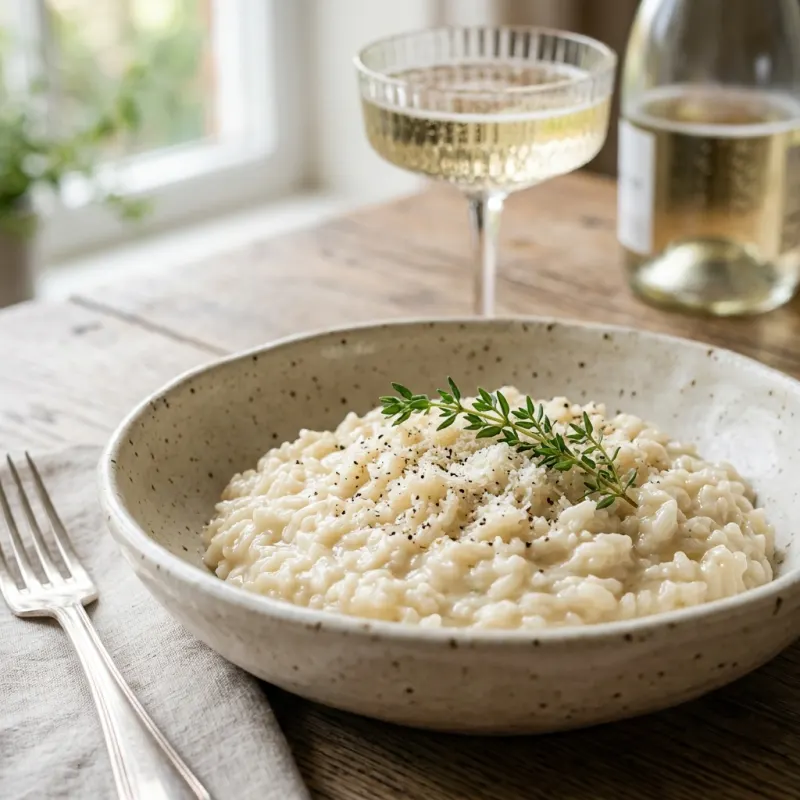
A bowl of creamy Risotto al Prosecco garnished with thyme

Must Try Dish

Risotto al Prosecco. This creamy, delicate risotto is made using local Vialone Nano or Carnaroli rice and infused with the region's signature sparkling wine. The dish perfectly balances the slight acidity of the Prosecco with the rich, savory notes of local butter and Parmigiano-Reggiano.
Food Experiences Title Icon

Food
Experiences

Discover cooking classes, tastings and local food tours

No food experience found
Maya, the human travel expert at TravelingWiz, offering curated, non-AI expertise

Maya’s Final Checklist for The Prosecco Hills

Logistics shouldn’t be the focus of your trip—the experience should. I’ve hand-vetted these essential partners to ensure your arrival, stay, and exploration are as smooth as an Athenian breeze.

Where to Stay

From boutique hotels to local apartments—compare thousands of options and find the perfect stay in the best neighborhood.

Air Travel

Getting there should be seamless. Compare the best routes and prices across top airlines to start your journey on the right note.

Local Guides

Connect with experts who know the destination best. Get personalized advice and insider tips to help you plan your perfect trip.

Travel Protection

The “Engineer’s” rule: always have a backup. Secure your trip with a plan that covers every “what if” and unexpected change.

Car Rentals

Explore at your own pace with total freedom. Compare reliable rental options and find the right vehicle for your adventure.

Visa Services

Don’t let paperwork slow you down. Get expert assistance with your application to ensure all your entry documents are in order.

FAQs

Prosecco is made primarily from the Glera grape using the Charmat method (second fermentation in stainless steel tanks), resulting in a fruitier, lighter profile. Champagne is made from Chardonnay, Pinot Noir, and Pinot Meunier using the traditional method (second fermentation in the bottle), yielding more complex, yeasty notes.
Yes, renting a car is highly recommended. While there are some local buses and trains to main towns like Conegliano, navigating the rural hills and visiting specific vineyards requires private transportation.
Yes, especially for smaller, family-run wineries and during the peak harvest season in September and October. Many cantinas require reservations to ensure they can provide a guided experience.

Your Insights Matter

TravelingWiz grows through the stories of our community. If you’ve recently explored ,The Prosecco Hills share your tips and stories to help us perfect our guides for the next traveler.

Related Articles

Check out our related articles and blog posts to learn even more about the destination.

No related articles found

Don’t Travel Alone

Share with your friends and family

Where should we send your offline card?

We hate spam just as much as you do

newsletter_consent *