Santa Croce is a district of contrasts. Its western edge is defined by Piazzale Roma and the Tronchetto, the only areas in Venice where motorized land vehicles are permitted. This makes it the bustling gateway to the city for many travelers. However, as you walk eastward away from the bus terminals, the modern world quickly fades into a quintessential Venetian dreamscape. The neighborhood transforms into a peaceful enclave of winding alleys, hidden courtyards, and tranquil canals.
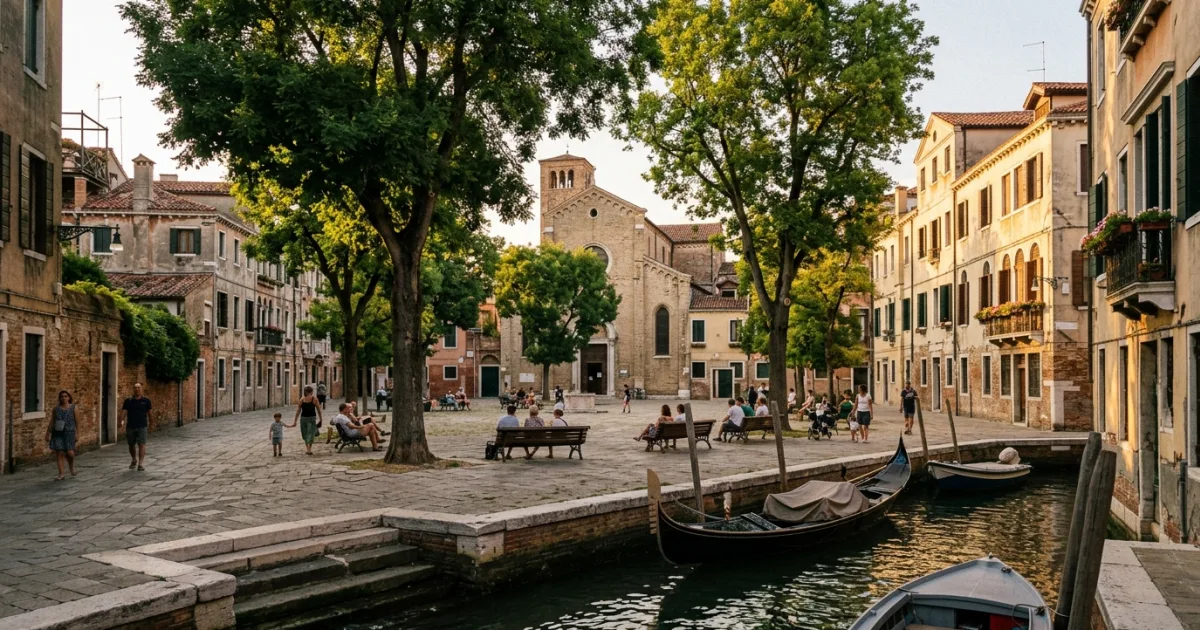
At the heart of Santa Croce lies Campo San Giacomo dell'Orio, one of the most charming and lively squares in Venice. Here, you can watch local children playing, residents walking their dogs, and friends catching up over a spritz. The district is also rich in history and art, boasting impressive structures like the Fondaco dei Turchi, a Byzantine-style palace that now serves as the Natural History Museum, and Ca' Pesaro, a magnificent Baroque marble palace housing modern art. Santa Croce offers a rare opportunity to experience the living, breathing Venice that exists beyond the postcards.
Reasons to Visit
- Authentic Atmosphere: Experience the daily life of Venetians in a neighborhood that hasn't been entirely taken over by tourism.
- Logistical Convenience: Extremely close to Piazzale Roma and Santa Lucia train station, making arrival and departure with luggage much easier.
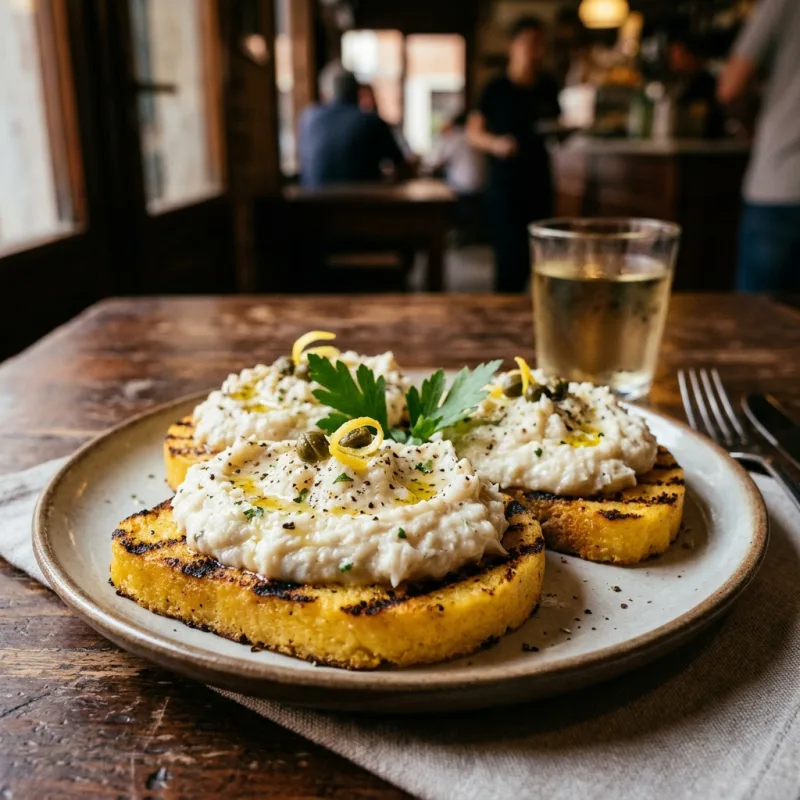
- Culinary Delights: Home to some of the best and most reasonably priced bacari (wine bars) and traditional trattorias in the city.
- Beautiful Campi: Relax in Campo San Giacomo dell'Orio, a large, tree-lined square perfect for people-watching.
- Unique Museums: Visit the Natural History Museum and the Ca' Pesaro International Gallery of Modern Art.
Things to Avoid
- Tourist Trap Restaurants: Avoid eating at the restaurants immediately surrounding Piazzale Roma and the train station; walk a few minutes deeper into the neighborhood for better quality and prices.
- Overpacking: Avoid bringing massive, heavy suitcases. Even in accessible Santa Croce, you will likely have to carry your luggage over several stepped bridges to reach your accommodation.
- Blocking Bridges: Never stop in the middle of a bridge to take photos if there are people trying to cross behind you.
Local Transportation Tips
Like the rest of Venice, Santa Croce is entirely car-free (with the exception of the Piazzale Roma terminal). The primary mode of transportation is walking. The neighborhood is relatively compact and highly walkable, though you will encounter numerous bridges with stairs. For traveling to other parts of Venice, the ACTV vaporetto (water bus) system is highly efficient. Key vaporetto stops servicing Santa Croce include Piazzale Roma, Riva de Biasio, and San Stae, which run along the Grand Canal.
Travel Etiquette
- Keep Right: When walking through narrow alleys (calli), always keep to the right to allow locals to pass.
- Dress Code: When entering churches like San Giacomo dell'Orio, ensure your shoulders and knees are covered.
- No Picnicking: It is illegal and considered disrespectful to sit and eat on church steps, bridges, or wellheads in the squares.
- Greetings: It is polite to say 'Buongiorno' (Good morning) or 'Buonasera' (Good evening) when entering small shops or bacari.
Recommended Age Group
Santa Croce is a versatile neighborhood that appeals to a wide range of travelers, offering a mix of convenience and authentic charm.
- Babies (0-2 years): Neutral. While the area near Piazzale Roma is flat, navigating the rest of the neighborhood with a stroller can be challenging due to the many stepped bridges. A baby carrier is highly recommended.
- Kids (3-12 years): Recommended. The neighborhood features open spaces like Campo San Giacomo dell'Orio and the Papadopoli Gardens where kids can safely run around, plus the engaging Natural History Museum.
- Teens (13-19 years): Recommended. Teens will appreciate the authentic vibe, the modern art at Ca' Pesaro, and the relaxed, photogenic streetscapes.
- Adults (20-64 years): Recommended. Perfect for adults seeking a slower pace of travel, excellent local food, and deep historical exploration without the massive crowds.
- Seniors (65+ years): Recommended. It is one of the most convenient areas to stay in Venice to minimize walking with luggage upon arrival, though mobility is still required for bridges.
Accessibility Level: Medium
- Venice as a whole presents challenges for travelers with mobility issues due to its hundreds of stepped bridges.
- Santa Croce is arguably the most accessible district upon arrival, as Piazzale Roma is flat and connects directly to the vaporetto lines without needing to cross bridges.
- The ACTV vaporetto lines (water buses) are wheelchair accessible, allowing easy transit along the Grand Canal from Santa Croce to other major sights.
- Many of the larger squares, like Campo San Giacomo dell'Orio, are flat and paved, but reaching them from certain directions may require navigating a bridge.
Did You Know?
Santa Croce is the only sestiere in Venice where cars and buses are allowed to drive, though this is strictly limited to the Piazzale Roma and Tronchetto areas. Once you step past the Papadopoli Gardens, the district becomes entirely pedestrianized just like the rest of the historic city.
Cool Statistics
- Santa Croce is one of the six original sestieri of Venice, established in the Middle Ages.
- The district takes its name from the Holy Cross Church (Santa Croce), which was demolished in the 19th century to make way for the Papadopoli Gardens.
- The Fondaco dei Turchi, located in Santa Croce, served as the one-building ghetto for Venice's Ottoman Turkish population from the 17th to the 19th century.






Buy a compatible power adapter for your trip