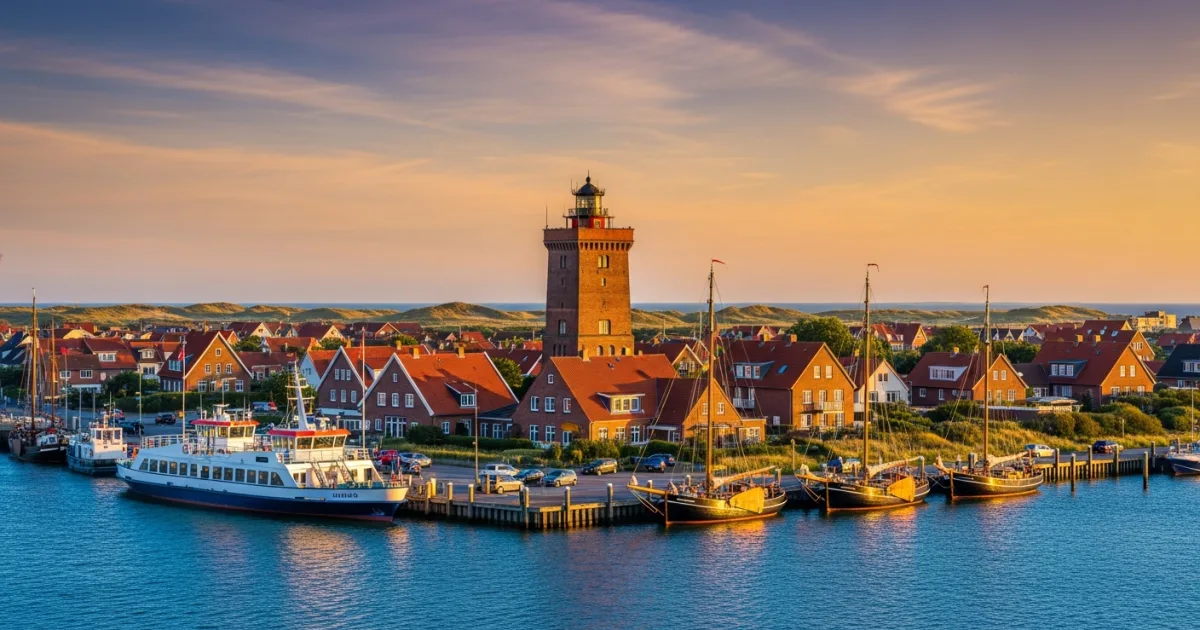
West-Terschelling functions as the administrative and commercial hub of the island, situated directly on the Wadden Sea, a UNESCO World Heritage site recognized for its unique intertidal ecosystem. The harbor accommodates a diverse fleet, ranging from modern passenger ferries and traditional brown fleet sailing vessels to local fishing boats. The village's architectural profile is defined by 17th and 18th-century commandeurshuizen (captains' houses), reflecting its prosperous maritime history linked to whaling and merchant shipping.
Beyond the immediate village boundaries, the landscape transitions abruptly into the Noordsvaarder, a vast expanse of shifting sands and pioneer vegetation. This geographical positioning makes West-Terschelling a strategic starting point for ecological excursions. The local infrastructure is highly developed to support eco-tourism, featuring numerous bicycle rental agencies, specialized outdoor gear shops, and a network of well-maintained paths that connect the harbor to the island's easternmost points.
Reasons to Visit
- Brandaris Lighthouse: The oldest operational lighthouse in the Netherlands, providing a central navigational and historical focal point since 1594.
- Wadden Sea Access: Direct proximity to the UNESCO-listed intertidal zone, offering guided mudflat hiking (wadlopen) opportunities.
- Museum 't Behouden Huys: Exhibits detailing the island's maritime history, including the 1596 Arctic expedition of Willem Barentsz.
- Noordsvaarder Nature Reserve: 1,200 hectares of accessible dunes and beaches bordering the village.
Things to Avoid
- Walking on Cycle Paths: Pedestrians must avoid walking on designated red-paved cycle paths to prevent collisions with fast-moving bicycles.
- Ignoring Tide Schedules: Venturing onto the mudflats without a guide or knowledge of the tides poses severe drowning risks.
- Last-Minute Ferry Bookings: Arriving at the Harlingen terminal without a pre-booked ticket during summer often results in denied boarding.
Local Transportation Tips
Bicycles dominate the local transport network, with rental facilities located immediately adjacent to the ferry terminal. Arriva operates a public bus service (Lines 1 and 2) that synchronizes with ferry arrivals, connecting West-Terschelling to eastern villages like Midsland and Oosterend. Walking remains the most efficient method for navigating the compact historic center of the village itself.
Travel Etiquette
- Keep to the right when cycling and clearly indicate turns with hand signals.
- Greet fellow hikers and cyclists with a brief 'Hallo' or 'Hoi' when passing on rural trails.
- Respect private property boundaries when exploring the dunes, as some areas are protected bird breeding grounds.
Recommended Age Group
West-Terschelling offers a safe, accessible environment with activities suited for various mobility levels and interests.
- Babies (0-2 years): Neutral. The cobblestone streets in the historic center can make stroller navigation bumpy, and coastal winds are often strong.
- Kids (3-12 years): Recommended. The expansive beaches, safe cycling infrastructure, and nature centers provide excellent environments for children.
- Teens (13-19 years): Recommended. Independent cycling, water sports, and beach activities offer high engagement for teenagers.
- Adults (20-64 years): Recommended. The combination of maritime history, extensive cycling routes, and local gastronomy aligns well with adult travel preferences.
- Seniors (65+ years): Recommended. The flat terrain, availability of e-bikes, and accessible ferry transport make the village highly suitable for older travelers.
Accessibility Level: Medium
- The Rederij Doeksen ferries are fully wheelchair accessible, featuring elevators and adapted restrooms.
- The main streets of West-Terschelling are flat, though some historic side streets feature uneven cobblestones.
- Electric bicycles and specialized mobility scooters can be rented near the harbor to assist with exploring the wider island.
Did You Know?
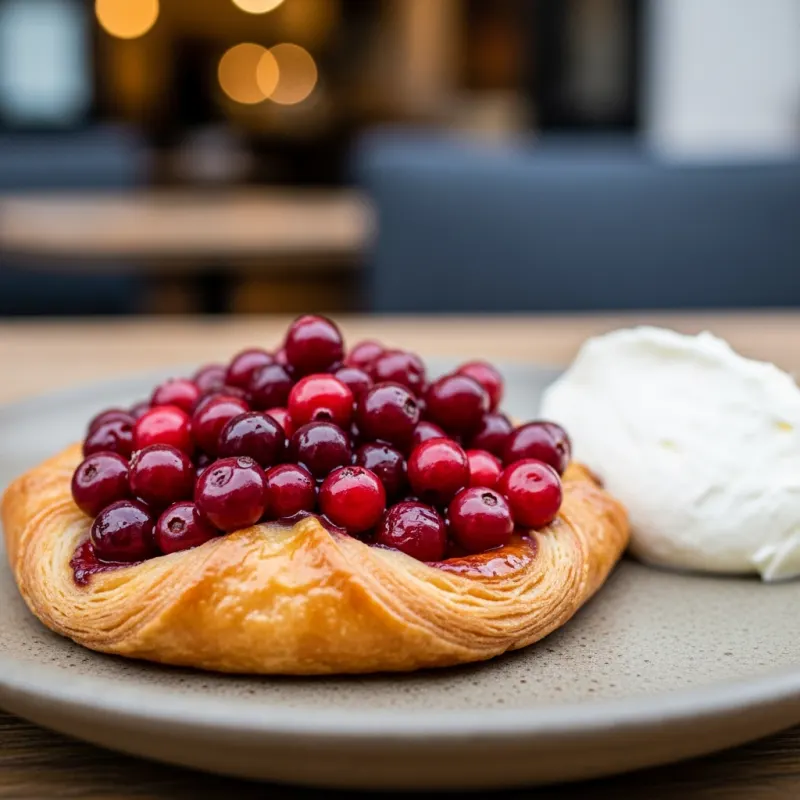
The island's famous cranberry population originated from a barrel of berries that washed ashore following a shipwreck in 1845. Local beachcombers, mistaking the barrels for valuable wine, abandoned the berries in the dunes, where the acidic soil provided perfect growing conditions.
Cool Statistics
- 53.6 meters: The height of the Brandaris lighthouse.
- 1594: The year the current Brandaris structure was completed.
- 400,000+: The number of annual visitors arriving via the West-Terschelling harbor.
- 1,200 hectares: The size of the adjacent Noordsvaarder nature reserve.






Buy a compatible power adapter for your trip