Zutphen's urban morphology reflects over 1,700 years of continuous habitation, with archaeological evidence dating back to the Roman period. The city's strategic position along the river IJssel facilitated its rise as a dominant trading hub in the Middle Ages, trading timber, salt, and wine across the Baltic and North Sea regions. Today, the municipality covers an area of 42.93 square kilometers and supports a population of approximately 48,000 residents. The historic core is defined by its medieval street plan, which has remained largely unaltered since the 14th century.
Architectural highlights include the Drogenapstoren, built in 1444 as a city gate and later used as a water tower, and the Wijnhuistoren, which houses a 47-bell carillon that plays regularly throughout the week. The local museum, Musea Zutphen, combines the Stedelijk Museum (cultural history) and Museum Henriette Polak (modern art) within the 17th-century Hof van Heeckeren palace. Environmental initiatives have also shaped the modern city, with extensive cycling infrastructure and green zones along the riverbanks promoting sustainable urban mobility.
Reasons to Visit
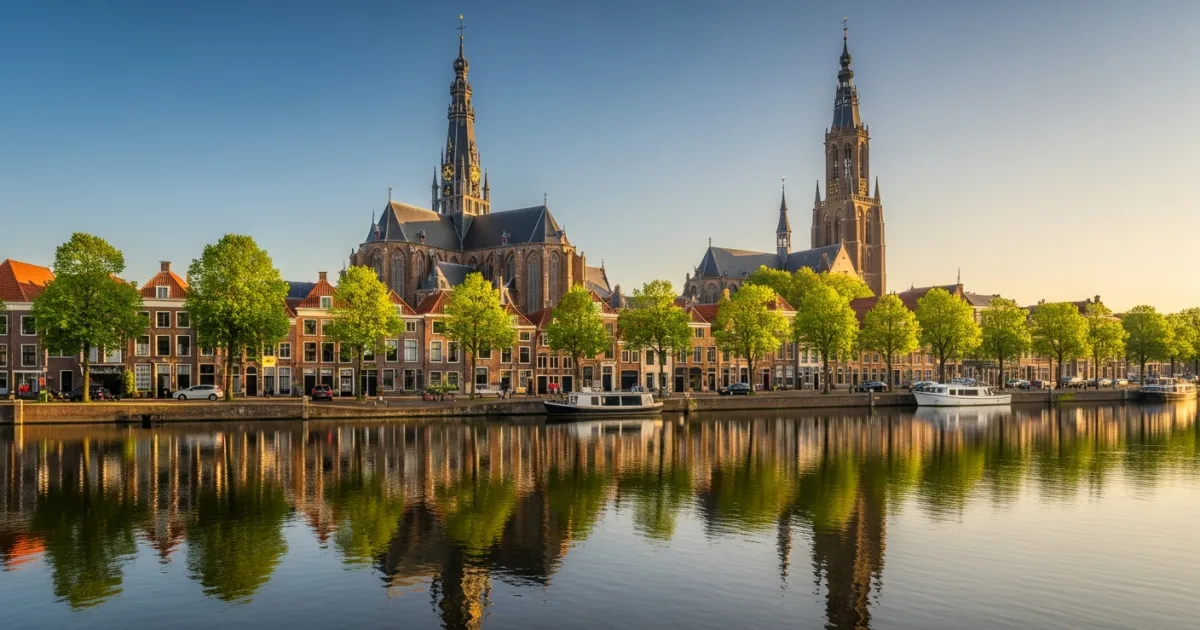
- Hanseatic Heritage: Zutphen retains over 450 national monuments, offering one of the best-preserved medieval cityscapes in Northern Europe.
- The Librije: Located in the Walburgiskerk, this 1564 chained library is one of only three surviving institutions of its kind in Europe.
- Whispering Boats (Fluisterboten): Electric, silent boats provide guided tours along the river Berkel, offering unique vantage points of the historic fortifications.
- Architectural Density: The city features a high concentration of 14th-century merchant houses, characterized by stepped gables and intricate brickwork.
- Boutique Shopping: Independent retailers and artisanal shops dominate the historic center, particularly along the Spittaalstraat and Lange Hofstraat.
Things to Avoid
- Driving in the Center: The medieval street layout features narrow, one-way roads and limited parking; utilizing the P+R facilities near the train station is highly recommended.
- Ignoring Opening Hours: Many independent shops and museums close on Mondays, and standard retail hours often end by 17:00 or 18:00 on weekdays.
- Walking on Bike Paths: Designated red-paved cycle lanes experience high-speed bicycle traffic; pedestrians must stay on sidewalks to avoid collisions.
- Overlooking the Courtyards: The city's historic 'hofjes' (almshouse courtyards) are easily missed if visitors stick strictly to the main commercial streets.
Local Transportation Tips
Public transportation in Zutphen is anchored by the Zutphen railway station, a major regional hub providing direct Intercity and Sprinter connections to Arnhem, Deventer, Apeldoorn, and Roosendaal. The local bus network, operated by Arriva and Hermes, covers the municipal area and surrounding villages, with standard fares payable via the national OV-chipkaart or contactless debit cards.
Bicycles remain the primary mode of local transit, supported by extensive, segregated cycle paths and secure parking facilities throughout the city center. Bicycle rentals are readily available at the train station (OV-fiets) and local bike shops, costing approximately €10 to €15 per day. For navigating the historic core, walking is the most efficient method due to the compact nature of the medieval streets and pedestrianized zones.
Travel Etiquette
- Punctuality: Dutch culture highly values timekeeping; arriving exactly on time for tours, reservations, and meetings is expected.
- Direct Communication: Locals communicate with straightforwardness and honesty, which should be interpreted as efficiency rather than rudeness.
- Tipping Practices: Service charges are included in restaurant bills by law; however, rounding up the bill or leaving a 5-10% tip for excellent service is customary.
- Bicycle Awareness: Always check over your left shoulder before stepping into a street, as cyclists have the right of way in many urban scenarios.
- Greeting Norms: A firm handshake with eye contact is the standard greeting for new acquaintances, while close friends may exchange three kisses on the cheek.
Recommended Age Group
Zutphen offers a versatile environment that caters well to various demographics, though its historical focus appeals most strongly to mature travelers and families seeking relaxed exploration.
- Babies (0-2 years): Neutral. The extensive cobblestone streets in the historic center can make navigating with standard strollers bumpy and challenging.
- Kids (3-12 years): Recommended. The open green spaces along the river and the engaging 'Fluisterboten' (whispering boat) tours provide excellent entertainment for younger children.
- Teens (13-19 years): Neutral. While the city is exceptionally safe and walkable, the heavy focus on medieval history and architecture may not align with the interests of all teenagers.
- Adults (20-64 years): Recommended. The dense concentration of historical sites, boutique shopping, and high-quality regional dining makes it an ideal destination for adult travelers.
- Seniors (65+ years): Recommended. The compact, flat nature of the city center, combined with accessible museums and rich cultural heritage, provides a highly accommodating experience for seniors.
Accessibility Level: Medium
- Cobblestone Streets: The historic center features extensive cobblestone paving, which can present challenges for manual wheelchair users and individuals with mobility impairments.
- Museum Accessibility: Major attractions like Musea Zutphen are fully wheelchair accessible, equipped with elevators and adapted restroom facilities.
- Public Transit: Zutphen railway station offers step-free access to all platforms, and local Arriva buses are equipped with low floors and deployment ramps.
- The Librije: Access to the 16th-century chained library requires climbing a narrow, historic staircase, making it inaccessible to wheelchair users.
- Boat Tours: The 'Fluisterboten' (whispering boats) have specific vessels adapted with lifts for wheelchair access, though advance booking is required.
Did You Know?
Zutphen's nickname, "Torenstad" (Tower City), originates from its distinctive skyline, which features an unusually high number of historic spires and towers for a city of its size. The Walburgiskerk tower, standing at 76 meters, was once even taller before a lightning strike in 1600 destroyed its original 117-meter spire. Furthermore, Zutphen was the site of the Battle of Zutphen in 1586 during the Eighty Years' War, where the famous English poet and soldier Sir Philip Sidney was mortally wounded.
Cool Statistics
- National Monuments: The city contains exactly 452 registered Rijksmonumenten (national heritage sites).
- City Rights: Zutphen was granted city rights between 1190 and 1196, making it one of the oldest cities in the country.
- The Librije: The chained library holds approximately 750 books, all secured to reading desks with original 16th-century iron chains.
- Carillon Bells: The Wijnhuistoren carillon consists of 47 cast bronze bells, played manually by a city carillonneur.
- Population Density: The municipality has a population density of roughly 1,150 inhabitants per square kilometer.







Buy a compatible power adapter for your trip