Low – budget‑friendly basics
Medium – moderate mid‑range costs
High – pricey lodging, dining & transport
Disclosure: This site contains affiliate links. We may earn a commission if you make a purchase, at no extra cost to you.
Low – budget‑friendly basics
Medium – moderate mid‑range costs
High – pricey lodging, dining & transport
5 shields = Excellent – very low crime or conflict.
4 shields = Safe – low risk, routine care.
3 shields = Relatively safe – use normal street smarts.
2 shields = Use caution – higher crime or periodic unrest.
1 shields = Avoid – active conflict or extreme danger.
Scores are derived from multi-year peace, homicide and security indices blended into a single 1-to-5 scale.
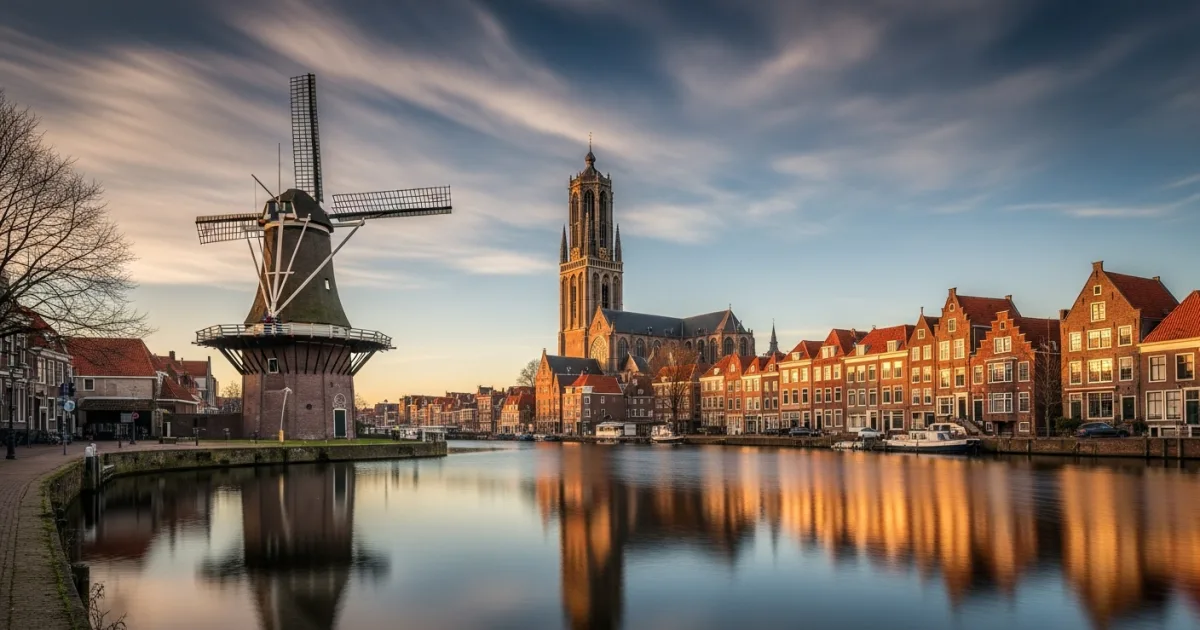
Haarlem serves as the capital of the North Holland province, located just 15 minutes by train from Amsterdam. The city boasts a population of approximately 160,000 residents and features over 1,100 national heritage sites (Rijksmonumenten) within its medieval center. Established in 1245, Haarlem developed into a major textile and brewing hub during the Dutch Golden Age, which is reflected in its preserved 17th-century architecture and the iconic Grote Kerk (St. Bavo Church) dominating the central market square (Grote Markt). Visitors to Haarlem experience a high density of cultural institutions, including the Frans Hals Museum and the Teylers Museum, the oldest museum in the Netherlands founded in 1784. The city's urban layout is defined by the Spaarne River, which facilitates extensive canal networks historically used for trade and transport. Haarlem also functions as the commercial center for the surrounding flower-bulb growing district, earning it the nickname 'Bloemenstad' (Flower City) and making it a strategic base for exploring the nearby Keukenhof gardens during the spring season.
Haarlem's historical significance is anchored in its 17th-century economic boom, driven by the textile industry, shipbuilding, and beer brewing. The city's architectural integrity has been meticulously preserved, offering a quieter, highly authentic alternative to Amsterdam. The Grote Kerk, or St. Bavo Church, stands at the city's center; its 50-meter-high wooden vault and the massive Müller organ—once played by a young Mozart—are primary historical draws. The city's layout features a network of 'hofjes' (hidden courtyard gardens originally built as almshouses), with 21 of these historical sanctuaries still accessible to the public today.
Geographically, Haarlem is positioned on the river Spaarne, approximately 7 kilometers from the North Sea coast. This location provides immediate access to the Zuid-Kennemerland National Park, a protected dune landscape ideal for cycling and hiking. The city's retail sector is highly developed, frequently winning national awards for its diverse shopping streets, particularly the 'Gouden Straatjes' (Golden Streets) which house independent boutiques and artisanal shops. Public transportation is highly efficient, with the Haarlem railway station—an Art Nouveau architectural monument in itself—serving as a major transit hub for the region.
Public transportation in Haarlem is managed primarily by Connexxion buses and NS (Nederlandse Spoorwegen) trains. The OV-chipkaart or a contactless debit/credit card can be used to tap in and out of all public transit. The city center is highly compact and best navigated on foot. For longer distances, cycling is the dominant mode of transport; dedicated infrastructure makes it safe and efficient. Bicycle rental shops are concentrated around the central train station, with daily rates averaging 12 to 15 EUR.
Haarlem offers a relaxed, culturally rich environment that appeals strongly to adults and seniors, while providing adequate infrastructure for younger travelers.
Haarlem is the namesake for the New York City neighborhood of Harlem. In 1658, Peter Stuyvesant, the Director-General of the Dutch colony of New Netherland, founded the settlement of Nieuw Haarlem on Manhattan Island, which was later anglicized to Harlem after the British took control.

The optimal timeframe for visiting Haarlem spans from mid-April to early May, aligning with the peak blooming season of the surrounding tulip fields. Summer months (June through August) offer the warmest temperatures, averaging 22°C (72°F), and the longest daylight hours, facilitating extended outdoor exploration.
| Month | °C | °F |
|---|---|---|
| Jan | 5 | 41 |
| Feb | 6 | 43 |
| Mar | 7 | 45 |
| Apr | 9 | 48 |
| May | 12 | 54 |
| Jun | 17 | 63 |
| Jul | 18 | 64 |
| Aug | 19 | 66 |
| Sep | 16 | 61 |
| Oct | 13 | 55 |
| Nov | 8 | 46 |
| Dec | 6 | 43 |
Remember to check the weather forecast a few days before the trip and before heading to the airport.
5 shields = Excellent – very low crime or conflict.
4 shields = Safe – low risk, routine care.
3 shields = Relatively safe – use normal street smarts.
2 shields = Use caution – higher crime or periodic unrest.
1 shields = Avoid – active conflict or extreme danger.
Scores are derived from multi-year peace, homicide and security indices blended into a single 1-to-5 scale.
The rating is based on multi-year peace, crime, and security indices. Before you go, always verify current conditions through official government travel advisories.
No internet needed • Includes local translations • Free for TravelingWiz readers

Low – budget‑friendly basics
Medium – moderate mid‑range costs
High – pricey lodging, dining & transport
Per person, per day – pocket cash for small purchases.
Full daily spend estimation (accommodation, food, transportation, attractions).
Travel Style | Euro (EUR) | ≈ USD ($) |
|---|---|---|
Budget | 100 | 115 |
Mid-range | 180 | 208 |
Comfort | 400 | 462 |
The Prices, Daily costs, and calculator results are estimates for planning purposes only. Actual costs may vary based on season, booking timing, personal spending habits, and currency fluctuations. TravelingWiz cannot be held responsible for discrepancies between these estimates and your final trip expenses.
Choose a ready-made itinerary, plan your own trip, and keep TravelingWiz by your side while you travel.
Get the TravelingWiz app →
Discover cooking classes, tastings and local food tours
Logistics shouldn’t be the focus of your trip—the experience should. I’ve hand-vetted these essential partners to ensure your arrival, stay, and exploration are as smooth as an Athenian breeze.

Compare accommodation options and choose a stay that suits your plans and budget.
Connect with local guides for personalized help planning and exploring.
The “Engineer’s” rule: always have a backup. Secure your trip with a plan that covers every “what if” and unexpected change.
Don’t let paperwork slow you down. Get expert assistance with your application to ensure all your entry documents are in order.
Check out our related articles and blog posts to learn even more about the destination.
Share with your friends and family