

Low – budget‑friendly basics
Medium – moderate mid‑range costs
High – pricey lodging, dining & transport
Disclosure: This site contains affiliate links. We may earn a commission if you make a purchase, at no extra cost to you.
Low – budget‑friendly basics
Medium – moderate mid‑range costs
High – pricey lodging, dining & transport
5 shields = Excellent – very low crime or conflict.
4 shields = Safe – low risk, routine care.
3 shields = Relatively safe – use normal street smarts.
2 shields = Use caution – higher crime or periodic unrest.
1 shields = Avoid – active conflict or extreme danger.
Scores are derived from multi-year peace, homicide and security indices blended into a single 1-to-5 scale.
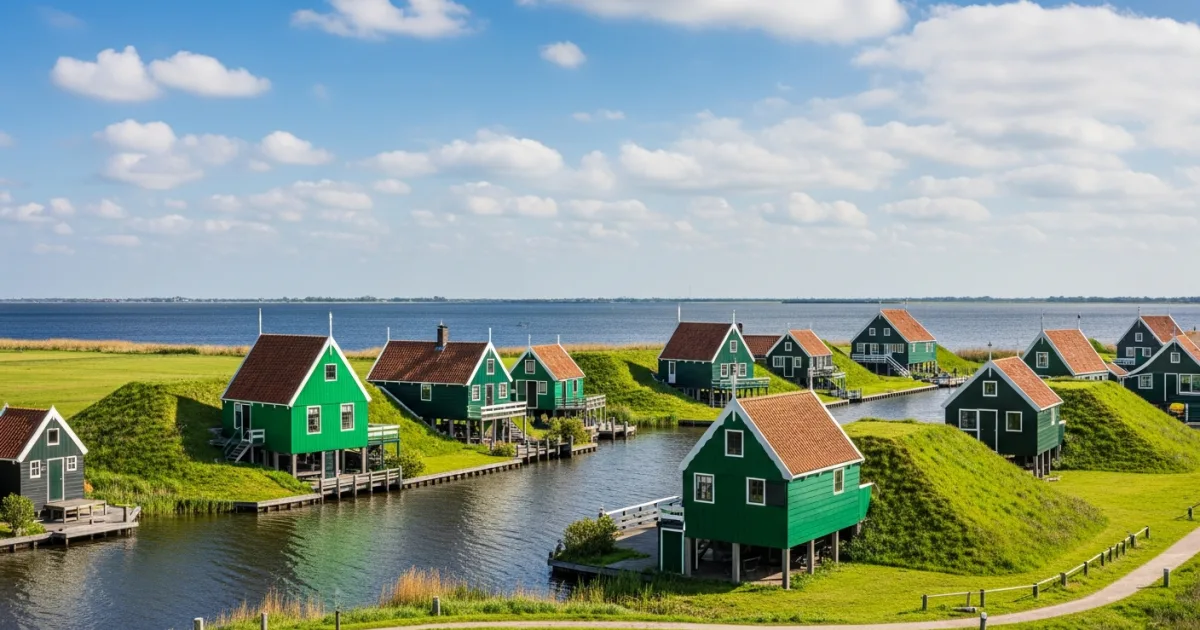
Marken occupies a 2.71 square kilometer peninsula in the Markermeer lake, located 17 kilometers northeast of Amsterdam in the North Holland province. Connected to the mainland by a 1.6-kilometer causeway constructed in 1957, this former island sustains a population of approximately 1,770 residents. The village layout features distinct clusters of wooden houses built on artificial mounds called werven, a historical flood-prevention technique dating back to the 14th century. Tourism and agriculture form the primary economic drivers, with over 1 million visitors arriving annually to observe the preserved 17th-century architecture and traditional Dutch maritime culture. The local infrastructure includes a functioning lighthouse, the Paard van Marken, built in 1839, and a dedicated wooden shoe factory that produces traditional clogs using antique steam-powered machinery. Transportation within the village core is restricted to pedestrians and cyclists, requiring motorized vehicles to utilize the central parking facility at the settlement's entrance.
Marken's geographical transition from an island to a peninsula occurred in 1957 with the completion of the Zeedijk causeway. The village spans 2.71 square kilometers and features distinct green-and-white wooden houses, many elevated on wooden poles or artificial mounds (werven) to mitigate historical flooding from the Zuiderzee. The Marker Museum, housed in six historical smokehouses, details the local fishing industry's decline following the construction of the Afsluitdijk in 1932, which transformed the saltwater bay into the freshwater IJsselmeer.
The primary access route involves the EBS bus line 315, which departs from Amsterdam Noord station and reaches Marken in approximately 30 minutes. Alternatively, the Volendam-Marken Express ferry transports passengers across the Markermeer in 30 minutes, operating daily from March to November. Within the village, pedestrian walking and bicycle rentals constitute the sole modes of transportation, supported by a network of paved, flat pathways.
Marken offers a relaxed, pedestrian-friendly environment suitable for various demographics, though its historical focus appeals most to older visitors.
Marken's traditional regional dress, characterized by intricate embroidery and specific color codes indicating mourning or marital status, remained in daily use by older residents until the late 20th century, making it one of the last Dutch municipalities to retain this practice.

April through September provides the most favorable meteorological conditions for visiting Marken, with average daytime temperatures ranging from 12°C to 22°C.
| Month | °C | °F |
|---|---|---|
| Jan | 5 | 41 |
| Feb | 6 | 43 |
| Mar | 7 | 45 |
| Apr | 9 | 48 |
| May | 12 | 54 |
| Jun | 17 | 63 |
| Jul | 18 | 64 |
| Aug | 19 | 66 |
| Sep | 16 | 61 |
| Oct | 12 | 54 |
| Nov | 8 | 46 |
| Dec | 5 | 41 |
Remember to check the weather forecast a few days before the trip and before heading to the airport.
5 shields = Excellent – very low crime or conflict.
4 shields = Safe – low risk, routine care.
3 shields = Relatively safe – use normal street smarts.
2 shields = Use caution – higher crime or periodic unrest.
1 shields = Avoid – active conflict or extreme danger.
Scores are derived from multi-year peace, homicide and security indices blended into a single 1-to-5 scale.
The rating is based on multi-year peace, crime, and security indices. Before you go, always verify current conditions through official government travel advisories.
No internet needed • Includes local translations • Free for TravelingWiz readers

Low – budget‑friendly basics
Medium – moderate mid‑range costs
High – pricey lodging, dining & transport
Per person, per day – pocket cash for small purchases.
Full daily spend estimation (accommodation, food, transportation, attractions).
Travel Style | Euro (EUR) | ≈ USD ($) |
|---|---|---|
Budget | 95 | 110 |
Mid-range | 175 | 202 |
Comfort | 390 | 450 |
The Prices, Daily costs, and calculator results are estimates for planning purposes only. Actual costs may vary based on season, booking timing, personal spending habits, and currency fluctuations. TravelingWiz cannot be held responsible for discrepancies between these estimates and your final trip expenses.
Choose a ready-made itinerary, plan your own trip, and keep TravelingWiz by your side while you travel.
Get the TravelingWiz app →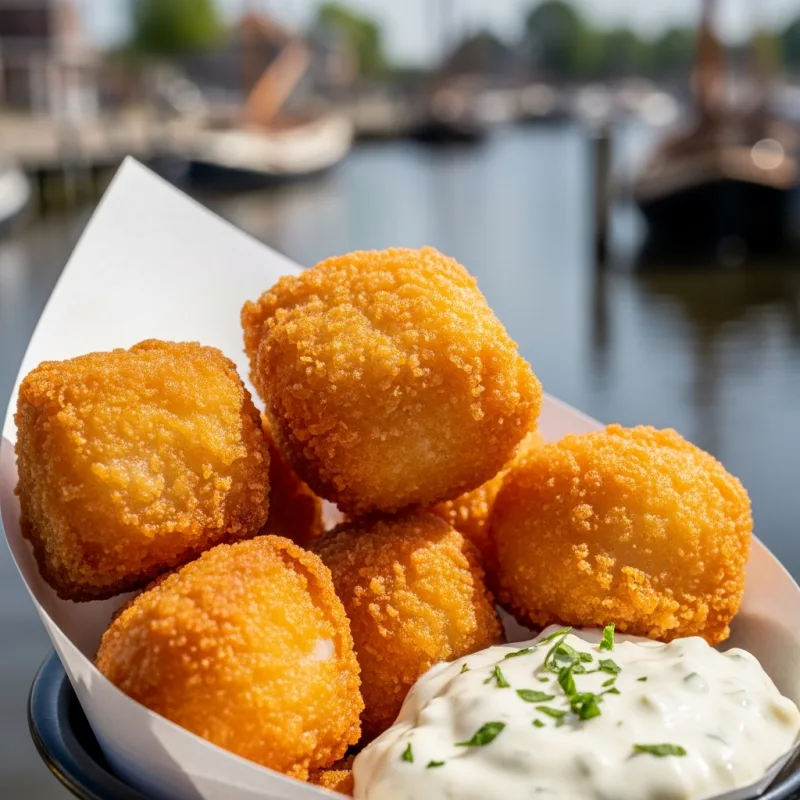
Discover cooking classes, tastings and local food tours
Logistics shouldn’t be the focus of your trip—the experience should. I’ve hand-vetted these essential partners to ensure your arrival, stay, and exploration are as smooth as an Athenian breeze.

Compare accommodation options and choose a stay that suits your plans and budget.
Connect with local guides for personalized help planning and exploring.
The “Engineer’s” rule: always have a backup. Secure your trip with a plan that covers every “what if” and unexpected change.
Don’t let paperwork slow you down. Get expert assistance with your application to ensure all your entry documents are in order.
Check out our related articles and blog posts to learn even more about the destination.
Share with your friends and family
