Texel operates as the primary tourist destination among the Dutch Wadden Islands, receiving over a million visitors annually. The island's geography is characterized by a 30-kilometer western coastline facing the North Sea, while the eastern shore borders the UNESCO-listed Wadden Sea. Den Burg functions as the administrative and commercial center, housing approximately half of the island's population and offering the highest concentration of retail and dining establishments. De Koog serves as the primary seaside resort, providing direct beach access and the majority of the island's hospitality infrastructure. Environmental conservation remains a priority, with the Dunes of Texel National Park protecting diverse ecosystems ranging from wet dune slacks to heathlands.
Reasons to Visit
- Dunes of Texel National Park encompasses 43 square kilometers of protected landscapes, offering extensive hiking and cycling routes through diverse coastal ecosystems.
- Ecomare nature museum and seal sanctuary rehabilitates dozens of sick and injured seals annually while educating visitors on Wadden Sea ecology.
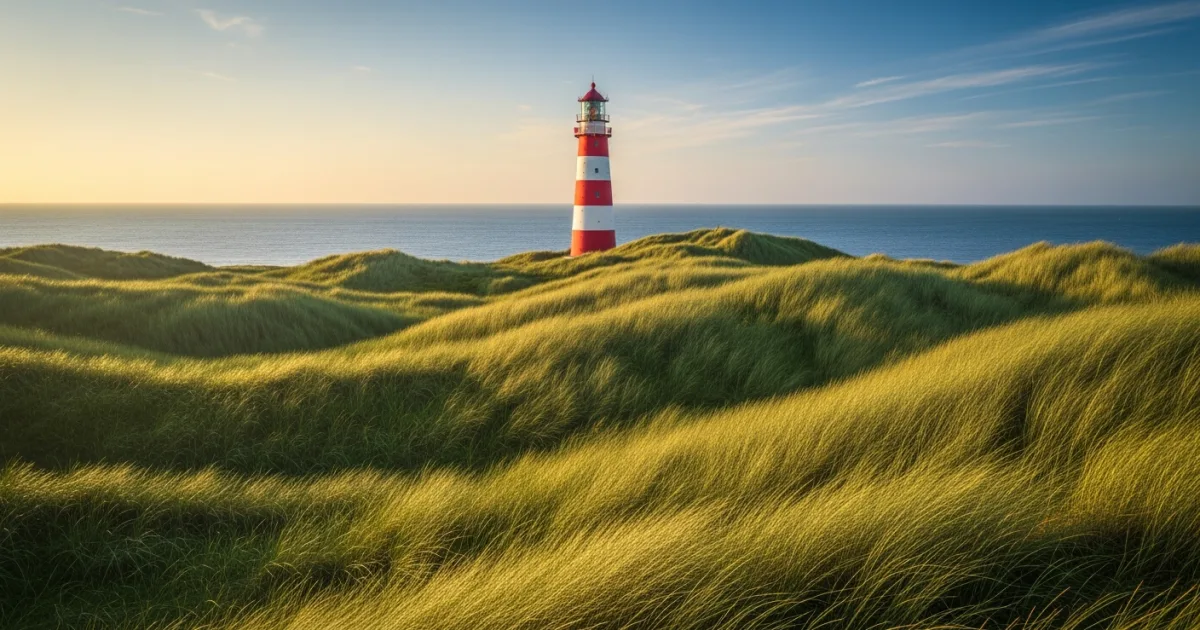
- The Eierland Lighthouse, constructed in 1864, allows visitors to climb 118 steps for panoramic views of the North Sea and neighboring island Vlieland.
- Texel's 140-kilometer network of paved, segregated bicycle paths provides safe and efficient non-motorized transport across the entire island.
- Local gastronomy features the Texelse Bierbrouwerij, which produces the award-winning Skuumkoppe beer using island-grown barley and dune-filtered water.
Things to Avoid
- Walking on the dunes outside designated paths accelerates soil erosion and damages fragile marram grass root systems.
- Approaching wild seals resting on the beaches causes severe stress to the animals; a minimum distance of 30 meters must be maintained at all times.
- Relying solely on public buses can be inefficient, as the Texelhopper service requires advance booking for many smaller, on-demand stops.
- Visiting during the peak summer months of July and August without pre-booking ferry tickets and accommodation often results in logistical complications.
- Ignoring tidal warnings when walking on the Wadden Sea mudflats poses significant drowning risks due to rapidly rising waters.
Local Transportation Tips
Bicycles represent the most efficient and popular mode of transportation on Texel, supported by 140 kilometers of dedicated cycling paths. Rental shops operate in all major villages and directly at the ferry terminal, offering standard, electric, and cargo bikes. The Texelhopper public transit system utilizes a combination of fixed-route buses (Line 28) and smaller, on-demand vans that service 130 stops across the island. Motorists can transport their vehicles via the TESO ferry, though parking in villages like Den Burg and De Koog requires a paid Texel e-vignette.
Travel Etiquette
- Greeting shopkeepers and bus drivers with a polite 'Hallo' or 'Goedemorgen' is standard practice upon entering an establishment or vehicle.
- Cycling etiquette dictates staying to the right side of the bike path and using clear hand signals before executing turns.
- Tipping in restaurants typically ranges from 5% to 10% for good service, usually achieved by rounding up the final bill.
- Respecting private agricultural land is mandatory; visitors must not climb fences or enter pastures to interact with the sheep.
Recommended Age Group
Texel provides a highly accessible and engaging environment for travelers of all ages, characterized by safe infrastructure and diverse nature-based activities.
- Babies (0-2 years): Recommended. The island features flat terrain suitable for strollers, and many bicycle rental shops offer specialized cargo bikes (bakfietsen) for safe infant transport.
- Kids (3-12 years): Recommended. Attractions like the Ecomare seal sanctuary, expansive sandy beaches, and numerous playgrounds make it an ideal family destination.
- Teens (13-19 years): Recommended. Opportunities for surfing, kiteboarding, and independent cycling offer active engagement for older children.
- Adults (20-64 years): Recommended. The combination of local breweries, extensive hiking trails, and culinary experiences caters strongly to adult travelers.
- Seniors (65+ years): Recommended. The availability of electric bicycles, flat walking paths, and easily accessible nature reserves ensures a comfortable experience for older visitors.
Accessibility Level: Medium
- The TESO ferry is fully wheelchair accessible, featuring elevators connecting the car decks to the passenger lounges.
- Ecomare and the Dunes of Texel National Park visitor centers provide wheelchair-friendly pathways and accessible restroom facilities.
- Specialized beach wheelchairs (juttersstoelen) with large pneumatic tires are available for rent at several beach pavilions along the western coast.
- The Texelhopper public transport vans can accommodate wheelchairs, provided the requirement is specified during the mandatory advance booking process.
Did You Know?
Texel's sheep population, which peaks at around 24,000 during the spring lambing season, significantly outnumbers the island's 13,600 human residents.
Cool Statistics
- 140 kilometers of dedicated bicycle paths traverse the island.
- 30 kilometers of continuous sandy beaches line the western coast.
- 20 minutes is the exact duration of the TESO ferry crossing from Den Helder.
- 43 square kilometers of the island are protected as the Dunes of Texel National Park.
- 1864 marks the year the iconic red-and-white Eierland Lighthouse was constructed.







Buy a compatible power adapter for your trip