Zeelandic Flanders is a region that defies standard Dutch stereotypes. Separated from the rest of the Netherlands by the wide waters of the Western Scheldt, it has historically been a borderland, fiercely contested during the Eighty Years' War. Today, this history is visible in the star-shaped moats and ramparts of towns like Hulst, Retranchement, and Sluis. The landscape is a patchwork of fertile polders, ancient creeks, and towering dykes that protect the land from the sea.
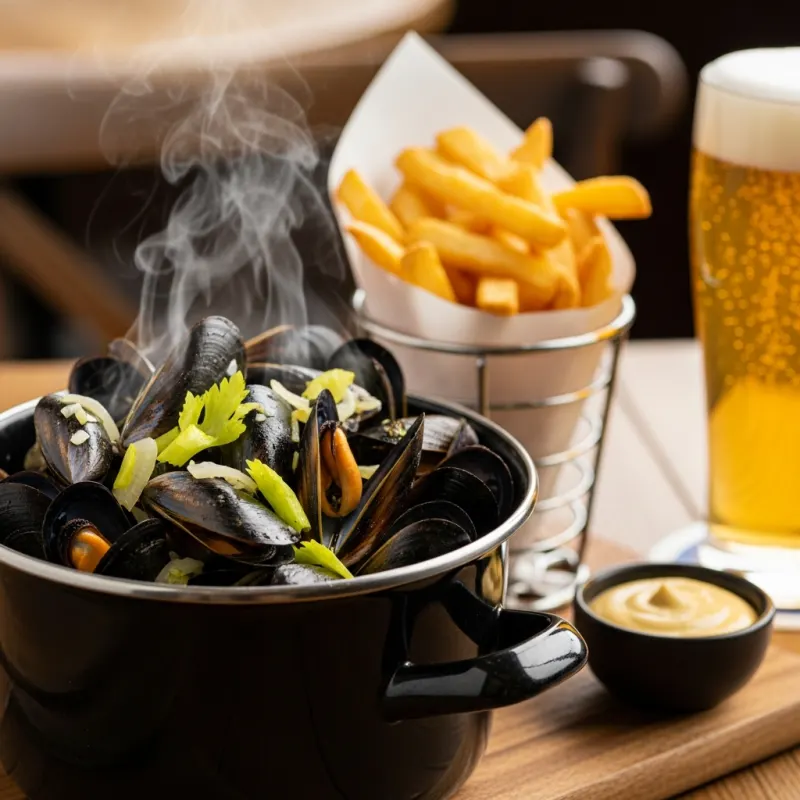
The coastal strip, stretching from Cadzand-Bad to Breskens, is famous for its wide, clean beaches and prehistoric shark teeth that wash ashore. Inland, the pace of life slows down considerably. The region is celebrated for its 'Burgundian' lifestyle—a term used in the Low Countries to describe a love for good food, drink, and conviviality. With several Michelin-starred restaurants and countless cozy beach pavilions, Zeelandic Flanders is a premier destination for culinary tourism.
Reasons to Visit
- Pristine Beaches: Enjoy some of the cleanest and sunniest beaches in the Netherlands, perfect for relaxation and water sports.
- Culinary Excellence: Indulge in world-class dining, from fresh Oosterschelde lobster to Michelin-starred gastronomy in Cadzand and Sluis.
- Cycling Paradise: Traverse hundreds of kilometers of safe, scenic, and flat cycling paths along the coast and through rural polders.
- Historic Fortified Towns: Step back in time exploring the well-preserved ramparts and historic centers of Hulst and Sluis.
- Unique Nature: Discover Het Zwin nature reserve or the rugged, tidal landscape of the Verdronken Land van Saeftinghe.
Things to Avoid
- Ignoring Tide Warnings: When walking on the mudflats or exploring coastal reserves, always be aware of the fast-moving tides.
- Relying Solely on Trains: Zeelandic Flanders has no passenger railway network; you will need a car, bus, or bicycle to get around.
- Underestimating the Wind: The coastal winds can be strong; always pack a windbreaker, even in summer.
Local Transportation Tips
Public transport in Zeelandic Flanders relies entirely on a network of regional buses operated by Connexxion, which connect the main towns and villages. However, the most authentic and practical way to explore the region is by bicycle. The area is incredibly bike-friendly, with dedicated paths and a numbered node system making navigation effortless. For longer distances or crossing into Belgium, renting a car is highly recommended. To cross the Western Scheldt to the rest of Zeeland, use the Westerscheldetunnel (car/bus) or the ferry between Breskens and Vlissingen (foot/bike).
Travel Etiquette
- Cycling Rules: Always stay in the designated bike lanes, use hand signals when turning, and use lights after dark.
- Greeting: It is polite to greet shopkeepers when entering and leaving a store with a simple 'Hallo' or 'Dag'.
- Tipping: Service is included in the bill, but it is customary to round up or leave a 5-10% tip for good service in restaurants.
- Punctuality: The Dutch value punctuality; try to arrive on time for reservations and tours.
Recommended Age Group
Zeelandic Flanders offers a peaceful, safe, and engaging environment suitable for almost all ages, with a strong emphasis on outdoor activities and relaxation.
- Babies (0-2 years): Neutral. While the region is peaceful and safe, the primary activities like long cycling routes and historical walking tours may not be highly engaging for infants, though beach access is easy.
- Kids (3-12 years): Recommended. The wide, sandy beaches, safe cycling paths, and interactive nature reserves like Het Zwin make it a fantastic playground for children.
- Teens (13-19 years): Recommended. Teens will enjoy water sports such as kiteboarding along the coast, exploring the fortified towns, and the freedom of safe, independent cycling.
- Adults (20-64 years): Recommended. Adults can fully appreciate the Michelin-starred dining, extensive cycling networks, wellness resorts, and rich cross-border history.
- Seniors (65+ years): Recommended. The flat terrain is perfect for leisurely e-biking, while the accessible towns, comfortable accommodations, and relaxed pace cater excellently to older travelers.
Accessibility Level: Medium
- Many beaches have paved paths leading up to the sand, and special beach wheelchairs can often be rented at local pavilions.
- The cycling paths are wide, flat, and paved, making them highly suitable for mobility scooters and adapted bicycles.
- Most museums, major restaurants, and hotels in the region are wheelchair accessible, though some historic buildings in fortified towns may have cobblestones or narrow entrances.
- Public buses are generally equipped with low floors and ramps for wheelchair access.
Did You Know?
Zeelandic Flanders is one of the best places in the world to find fossilized shark teeth on the beach. The shifting sands and currents near Cadzand and Nieuwvliet regularly wash up these prehistoric treasures, some of which are millions of years old, making beachcombing a popular local activity.
Cool Statistics
- 0: The number of passenger train stations in Zeelandic Flanders.
- 6.6 kilometers: The length of the Westerscheldetunnel, the longest road tunnel in the Netherlands, connecting the region to the rest of the country.
- 358: The number of hectares covering the Verdronken Land van Saeftinghe, the largest brackish water marsh in Europe.
- 1648: The year the Peace of Münster was signed, officially making Zeelandic Flanders part of the Dutch Republic.






Buy a compatible power adapter for your trip