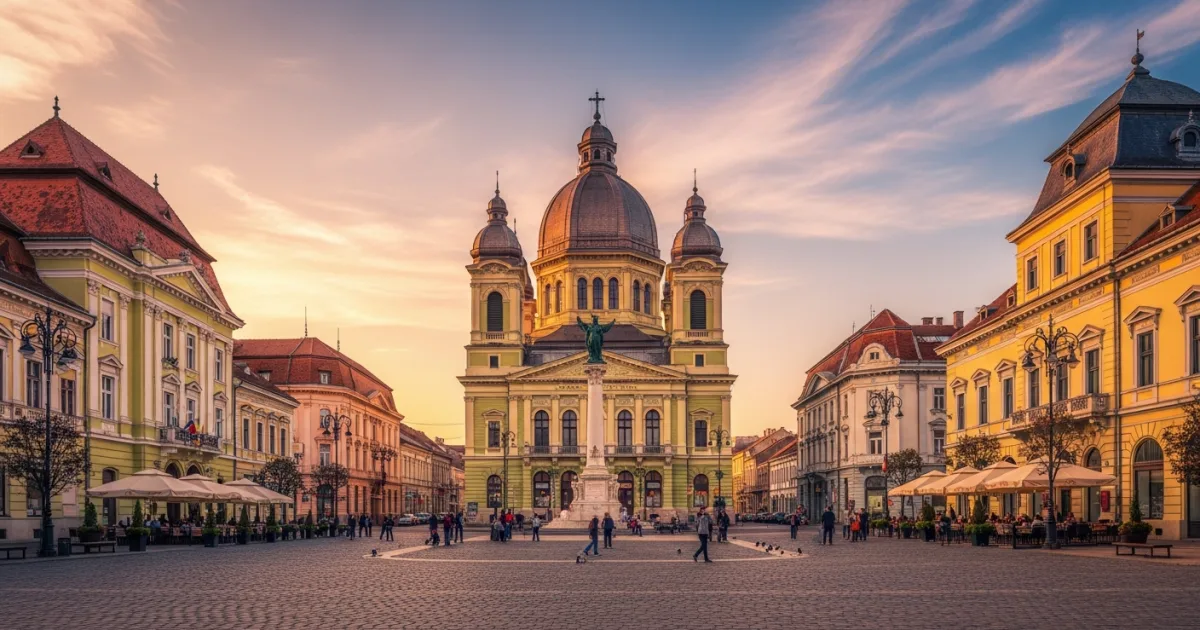
Timisoara's charm lies in its pedestrian-friendly layout, allowing visitors to easily transition from the grand, colorful facades of Union Square (Piața Unirii) to the bustling, historic atmosphere of Victory Square (Piața Victoriei). The city's architecture is a testament to its time under the Habsburg Monarchy, earning it the nickname 'Little Vienna'. Beyond its visual appeal, Timisoara is deeply etched in modern history as the spark that ignited the 1989 revolution against the communist regime, a story poignantly told at the Memorial Museum of the 1989 Revolution.
The Bega River cuts through the southern part of the city center, flanked by a continuous string of lush parks that offer a green oasis for walking, cycling, or enjoying a boat ride. The city's diverse population has fostered a rich culinary and cultural landscape, evident in its numerous theaters, art galleries, and a thriving cafe culture that spills out onto the cobblestone streets during the warmer months.
Reasons to Visit
- Admire the stunning Art Nouveau and Secessionist architecture across the city's three main squares.
- Learn about the fall of communism at the Memorial Museum of the 1989 Revolution.
- Enjoy a leisurely stroll or bike ride through the extensive parks lining the Bega River.
- Experience a vibrant cultural scene, bolstered by its status as a 2023 European Capital of Culture.
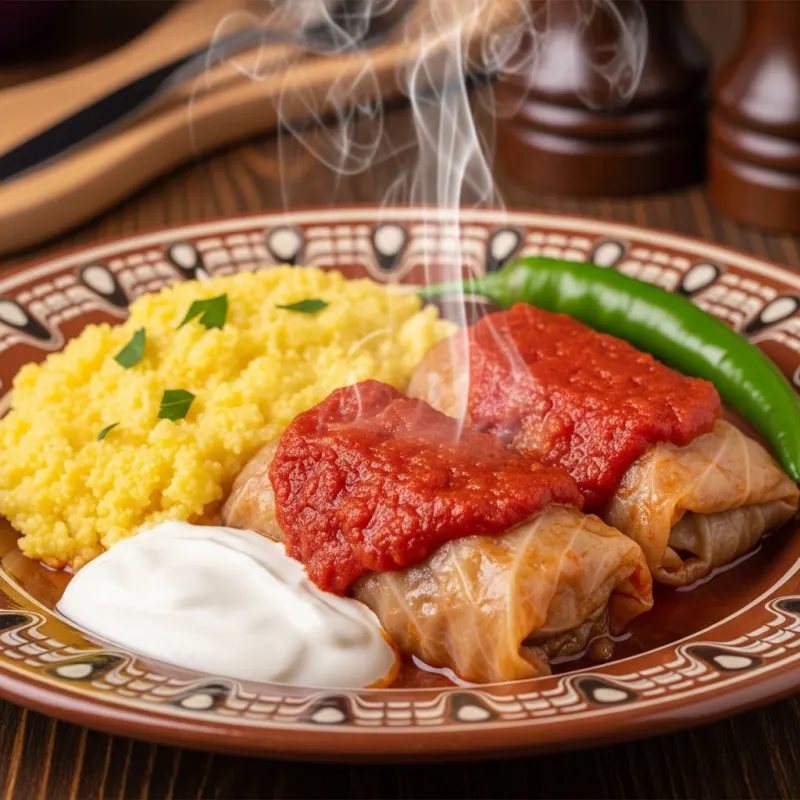
- Indulge in affordable, hearty Banat cuisine and a rapidly growing specialty coffee scene.
Things to Avoid
- Avoid hailing unmetered taxis from the street or airport; always use ride-hailing apps or official taxi ranks.
- Do not exchange money at the airport or train station if possible, as rates are typically poor.
- Avoid walking in poorly lit peripheral neighborhoods late at night, though the center remains very safe.
- Don't assume everyone speaks English, especially older generations; learning a few Romanian phrases goes a long way.
Local Transportation Tips
Timisoara boasts an extensive and affordable public transportation system operated by STPT, which includes trams, buses, and trolleybuses. Tickets can be purchased at kiosks, via SMS, or through the 24pay mobile app. The city center is highly walkable and largely pedestrianized, making walking the best way to explore the main sights. Additionally, Timisoara is very bike-friendly, with dedicated lanes and a public bike-sharing system called VeloTM. Ride-sharing apps like Uber and Bolt are widely available and offer cheap, reliable alternatives to traditional taxis.
Travel Etiquette
- Greet shopkeepers and restaurant staff with a polite 'Bună ziua' upon entering.
- Tipping around 10% in restaurants and cafes is customary if the service was good.
- When visiting Orthodox churches, dress modestly (shoulders and knees covered) and speak quietly.
- Remove your shoes if invited into a local's home, unless told otherwise.
- Avoid discussing sensitive political topics or making negative comparisons about Romania's communist past unless initiated by locals.
Recommended Age Group
Timisoara is a versatile destination that caters well to various age groups, offering a mix of history, culture, and relaxed outdoor spaces.
- Babies (0-2 years): Neutral. The city has many parks, but the cobblestone streets in the historic center can make navigating with a stroller slightly bumpy.
- Kids (3-12 years): Recommended. Children will enjoy the expansive parks along the Bega River, the local zoo, and boat rides on the water.
- Teens (13-19 years): Recommended. The city offers a vibrant cafe culture, street art, affordable shopping, and numerous music festivals.
- Adults (20-64 years): Recommended. Adults will appreciate the rich history, architectural beauty, diverse dining options, and lively nightlife.
- Seniors (65+ years): Recommended. The flat terrain, pedestrianized city center, and relaxed pace make it highly accessible and enjoyable for older travelers.
Accessibility Level: Medium
- The city center is largely flat and pedestrianized, making it generally accessible for wheelchair users.
- Many modern museums and shopping centers have ramps and elevators, though some older historical buildings may lack full accessibility.
- Public transportation is modernizing, with many low-floor trams and buses now in operation.
- Cobblestone streets in Union Square and Liberty Square can pose a challenge for mobility devices.
Did You Know?
Timisoara was the first city in mainland Europe (and second in the world after New York) to have electric street lighting, which was introduced in 1884. It was also the first European city to introduce horse-drawn trams in 1869.
Cool Statistics
- Year electric street lighting was introduced: 1884
- Number of main historical squares: 3 (Union, Victory, Liberty)
- Distance from the Serbian border: Approximately 40 kilometers
- European Capital of Culture designation year: 2023






Buy a compatible power adapter for your trip