Romania is a land of striking contrasts, where medieval legends meet modern urban energy. The country's geography is dominated by the sweeping arc of the Carpathian Mountains, which harbor some of Europe's last remaining virgin forests and largest populations of brown bears, wolves, and lynx. To the east, the Danube River empties into the Black Sea, creating the Danube Delta, a sprawling biosphere reserve that is a paradise for birdwatchers and nature lovers.
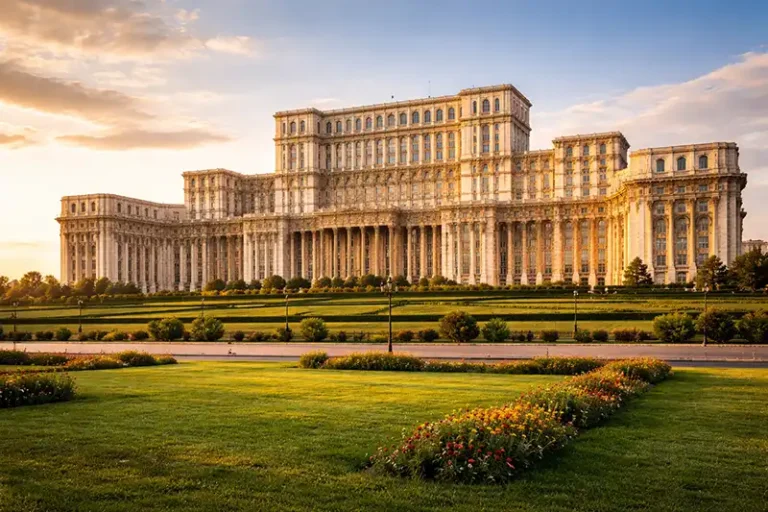
Culturally, Romania is a fascinating mosaic. Transylvania enchants visitors with its Saxon fortified churches and fairytale castles, including the famous Bran Castle and the stunning Peles Castle in Sinaia. In the north, the regions of Maramures and Bucovina offer a glimpse into traditional peasant life, where centuries-old customs are still practiced daily. Meanwhile, Bucharest provides a dynamic contrast with its massive Palace of the Parliament, thriving specialty coffee scene, and vibrant nightlife, making Romania a deeply rewarding destination for every type of traveler.
Reasons to Visit
- Medieval Architecture: Explore perfectly preserved towns like Sighisoara, the birthplace of Vlad the Impaler.
- Stunning Landscapes: Drive the Transfagarasan or Transalpina highways for breathtaking mountain views.
- Affordability: Enjoy European charm, excellent food, and quality accommodations at a fraction of Western European prices.
- Rich Wildlife: Experience world-class bear watching in the Carpathians or birdwatching in the Danube Delta.
- Authentic Culture: Witness living traditions in rural villages where horse-drawn carts are still a common sight.
Things to Avoid
- Unlicensed Taxis: Always use ride-hailing apps like Uber or Bolt, or order taxis through official dispatchers to avoid being overcharged.
- Disrespecting Religious Sites: Dress modestly when visiting Orthodox churches and monasteries; women should cover their shoulders and men should wear long pants.
- Underestimating Driving Times: Roads in mountainous regions can be winding and slow; do not rely solely on distance to estimate travel time.
- Stray Dogs: While the situation has vastly improved, avoid petting stray dogs in rural areas or on the outskirts of cities.
Local Transportation Tips
Romania's public transportation network is extensive but varies in speed and quality. The national railway company (CFR) connects almost all towns and cities; while tickets are cheap, trains can be slow. For faster intercity travel, private bus companies (like Autogari) are a good alternative. In major cities, public transit includes buses, trams, and trolleybuses, with Bucharest also boasting a reliable and cheap metro system. Renting a car is the best option for exploring rural areas, the painted monasteries, and the mountain passes at your own pace.
Travel Etiquette
- Greetings: A firm handshake with eye contact is the standard greeting. When visiting someone's home, it is customary to bring a small gift like flowers or chocolates.
- Tipping: Tipping 10-15% is standard in restaurants and cafes. It is usually left in cash, even if paying the bill by card.
- Shoes Off: If invited into a Romanian home, expect to take your shoes off at the door; you will likely be offered slippers.
- Toasting: When drinking alcohol, especially the local plum brandy (țuică), maintain eye contact while clinking glasses and say 'Noroc!' (Cheers).
Recommended Age Group
Romania offers diverse experiences that cater to travelers of all ages, from adventurous youth to culture-seeking seniors.
- Babies (0-2 years): Neutral. While Romanians are very family-oriented and welcoming to infants, navigating cobblestone streets and rural areas with a stroller can be challenging.
- Kids (3-12 years): Recommended. Children will love exploring the 'Dracula' castles, visiting the bear sanctuaries, and enjoying the numerous outdoor parks and open-air village museums.
- Teens (13-19 years): Recommended. The mix of spooky folklore, active outdoor adventures like hiking and zip-lining, and fast internet makes it highly engaging for teenagers.
- Adults (20-64 years): Recommended. Perfect for road trips, deep cultural immersion, vibrant nightlife in Bucharest, and budget-friendly exploration.
- Seniors (65+ years): Recommended. The rich history, beautiful monasteries, and slow-paced rural life are excellent, though those with mobility issues should plan carefully around medieval towns with uneven terrain.
Accessibility Level: Medium
- Urban Areas: Major cities like Bucharest and Cluj-Napoca are slowly improving accessibility, with newer buses and metro stations featuring ramps and elevators.
- Historical Sites: Many medieval castles, fortresses, and old town centers have cobblestones, steep stairs, and lack elevators, making wheelchair access difficult.
- Accommodation: Modern international hotel chains offer the best accessible rooms and facilities. Always confirm specific needs directly with the property before booking.
- Transport: Accessible public transport is limited outside the capital. Booking specialized private transfers is recommended for travelers with mobility requirements.
Did You Know?
Romania is home to the heaviest building in the world. The Palace of the Parliament in Bucharest, commissioned by former dictator Nicolae Ceaușescu, weighs an estimated 4.10 million tonnes and is the second-largest administrative building globally, after the Pentagon.
Cool Statistics
- Highest Peak: Moldoveanu Peak stands at 2,544 meters (8,346 feet) in the Fagaras Mountains.
- Brown Bears: Romania is home to over 6,000 brown bears, the largest population in Europe outside of Russia.
- Internet Speed: Romania consistently ranks in the top 10 globally for the fastest broadband internet speeds.
- UNESCO Sites: The country boasts 9 UNESCO World Heritage sites, including the ancient Dacian Fortresses and the Wooden Churches of Maramures.







Buy a compatible power adapter for your trip