Disclosure: This site contains affiliate links. We may earn a commission if you make a purchase, at no extra cost to you.

>
>
>
Bukovina (Romania)

Bukovina (Romania)

Panoramic view of Voroneț Monastery in Bukovina, Romania, with its famous blue exterior frescoes

Bukovina (Romania) Overview & Key Highlights

Bukovina, located in northeastern Romania, is a region celebrated for its unique painted monasteries, which are UNESCO World Heritage Sites. These architectural and artistic masterpieces, adorned with vibrant exterior frescoes depicting biblical scenes, offer a profound insight into medieval Orthodox art and history. Beyond the spiritual allure, the region boasts stunning natural landscapes, from the gentle slopes of the Carpathian Mountains to verdant forests and picturesque traditional villages. This guide will help you navigate Bukovina's rich cultural tapestry, providing practical advice for exploring its iconic sites, savoring its hearty local cuisine, and immersing yourself in the warm hospitality of its people. It's an ideal destination for travelers seeking a blend of historical exploration, artistic appreciation, and tranquil outdoor activities, promising a truly authentic Romanian experience.

Bukovina (Romania) Travel Guide: Logistics & In-Depth Tips

Bukovina, often referred to as 'The Land of Painted Churches,' is a historical region in northeastern Romania, part of the larger historical region of Moldavia. Its fame stems primarily from the extraordinary group of eight Romanian Orthodox monasteries, seven of which are designated UNESCO World Heritage Sites. These monasteries – Arbore, Humor, Moldovița, Pătrăuți, Probota, Sucevița, and Voroneț – are unique for their exterior frescoes, which date back to the 15th and 16th centuries. These vibrant murals, depicting biblical scenes, saints, and historical events, served as 'Bibles for the poor,' educating the illiterate populace about Christian teachings.

Beyond its spiritual treasures, Bukovina is a region of captivating natural beauty. The Eastern Carpathian Mountains provide a dramatic backdrop, with rolling hills, dense forests, and pristine rivers. Traditional villages dot the landscape, preserving ancient customs, crafts, and a way of life that feels untouched by modern times. Visitors can immerse themselves in local folklore, enjoy traditional music, and savor the rich, hearty cuisine that reflects the region's agricultural bounty. The capital of Bukovina, Suceava, serves as a convenient base for exploring the region, offering historical sites like the Princely Court and a vibrant local market.

Reasons to Visit

  • UNESCO World Heritage Monasteries: Witness the unparalleled beauty and historical significance of the painted monasteries, a unique artistic and spiritual legacy.
  • Authentic Cultural Immersion: Experience traditional Romanian village life, local crafts, and warm hospitality.
  • Stunning Natural Landscapes: Explore the picturesque Carpathian foothills, perfect for hiking, cycling, and enjoying nature.
  • Rich History and Folklore: Delve into the medieval history of Moldavia and discover local legends and traditions.
  • Delicious Local Cuisine: Savor hearty, traditional Bukovinian dishes, from sarmale to mămăligă and local cheeses.
  • Photography Opportunities: Capture breathtaking images of colorful frescoes, scenic landscapes, and charming rural scenes.

Things to Avoid

  • Disrespectful Attire at Monasteries: Avoid wearing shorts, short skirts, or sleeveless tops when visiting religious sites. Modest dress is expected.
  • Driving at Night on Rural Roads: Many rural roads can be poorly lit, narrow, and have unexpected obstacles (e.g., stray animals).
  • Ignoring Local Customs: Be mindful of local etiquette, especially when interacting with villagers or in religious settings.
  • Underestimating Travel Times: Roads between monasteries can be winding, and travel times might be longer than expected. Plan accordingly.
  • Relying Solely on Public Transport: While available, public transport can be infrequent and limit your flexibility to explore remote sites.

Local Transportation Tips

The most convenient and recommended way to explore Bukovina, especially to visit the scattered monasteries, is by renting a car. This offers maximum flexibility and allows you to discover hidden gems at your own pace. Roads are generally well-maintained, though some rural routes can be narrower or less paved. Alternatively, organized tours from major towns like Suceava or Gura Humorului are available and provide guided transport. Public buses connect the main towns, but services to smaller villages and monasteries can be infrequent. Taxis are an option for shorter distances or specific monastery visits, but costs can add up.

Travel Etiquette

  • Dress Modestly: When visiting monasteries and churches, ensure shoulders and knees are covered. Women may be asked to cover their heads in some Orthodox churches.
  • Respect Religious Practices: Be quiet and respectful inside religious sites. Avoid loud conversations or disruptive behavior.
  • Ask Before Photographing People: Always ask for permission before taking photos of locals, especially in rural areas.
  • Greetings: A simple 'Bună ziua' (Good day) or 'Mulțumesc' (Thank you) goes a long way.
  • Hospitality: Romanians are generally very hospitable. If invited into a home, it's polite to accept a small offering of food or drink.

Recommended Age Group

Bukovina offers a rich tapestry of experiences that can appeal to a wide range of age groups, though some activities might be more engaging for certain demographics.

  • Babies (0-2 years): Neutral. While the serene environment can be calming, the primary attractions (monasteries) require quiet and can be less stimulating for infants. Travel logistics, especially in rural areas, might be challenging.
  • Kids (3-12 years): Recommended. The vibrant frescoes and historical stories can capture their imagination. Outdoor activities like light walks in nature are enjoyable. However, long periods of quiet contemplation at monasteries might test their patience.
  • Teens (13-19 years): Recommended. Teens with an interest in history, art, culture, or photography will find the monasteries and traditional villages fascinating. Outdoor activities like hiking or cycling can also be appealing.
  • Adults (20-64 years): Recommended. This age group will fully appreciate the historical, artistic, and cultural depth of the painted monasteries, the beauty of the landscapes, and the local cuisine. It's ideal for cultural exploration, photography, and relaxation.
  • Seniors (65+ years): Recommended. Bukovina offers a peaceful and enriching experience. While some monastery grounds involve walking on uneven terrain, most sites are accessible. Guided tours or private transport can enhance comfort.

Accessibility Level: Medium

  • Monasteries: Most monastery grounds are relatively flat and accessible, but the interiors of the churches may have steps or uneven flooring. Wheelchair access can be challenging in older buildings.
  • Transportation: Public transport may not be fully accessible. Renting a car or arranging private tours with accessible vehicles is recommended for those with mobility challenges.
  • Accommodation: Newer hotels and guesthouses in larger towns may offer accessible rooms, but traditional guesthouses in rural areas might not. It's best to inquire in advance.
  • Terrain: The region features rolling hills and mountainous areas, meaning some outdoor activities and village explorations might involve uneven paths or inclines.
  • Information: Information at sites is often available in Romanian and English, but specific accessibility information might require direct inquiry.

Did You Know?

The painted monasteries of Bukovina are unique in the world for their extensive exterior frescoes, which cover entire walls of the churches. These murals were created not just for aesthetic beauty but also to serve as a visual Bible for the largely illiterate population of the time, depicting complex theological narratives in an accessible way. The most famous, Voroneț Monastery, is often called the 'Sistine Chapel of the East' due to its stunning 'Last Judgment' fresco and the unique 'Voroneț blue' pigment, whose exact composition remains a mystery to this day.

Cool Statistics

  • 7 UNESCO World Heritage Sites: Bukovina is home to seven of Romania's painted monasteries recognized by UNESCO.
  • 500+ Years Old: Many of the painted monasteries date back to the 15th and 16th centuries.
  • 'Voroneț Blue': The unique and vibrant blue pigment used at Voroneț Monastery is renowned worldwide and its exact formula is still unknown.
  • Over 100 Churches: The region boasts a rich concentration of Orthodox churches, many with historical significance.
  • 1000+ Meters: The average altitude of the Carpathian foothills in Bukovina, offering diverse landscapes.


Address:

Bukovina (Romania), Romania

Find Nearby Accommodations

Basic Info

address icon

COUNTRY & Region

Romania,
Europe

ACCESSIBILITY LEVEL​

Medium
Currency icon

LOCAL CURRENCY​

Romanian Leu (RON)
Price level icon
Low
Safety Level icon

SAFETY LEVEL

Duration icon

Recommended Duration

• Full day
• Overnight
• 1-7 days
• More than a week

Electricity

electricity icon

Electricity

220-240V, 
50Hz
Plug Socket icon

Plug Type

• Type C (Round pin)
• Type F (Two round pins with earth clips)
Plug types
Click To View Plug Types

Things To Do In Bukovina (Romania)

Total: 3

Panoramic view of Vatra Dornei surrounded by the Carpathian Mountains
Vatra Dornei is a Romanian spa town situated at 802m altitude. Discover top ski slopes and mineral springs in our 2026 guide.
Gura Humorului, Romania
Gura Humorului hosts the 1547 Voroneț Monastery frescoes. Plan your trip with our ultimate 2026 travel guide to Bukovina.
The medieval Seat Fortress of Suceava at sunset
Suceava was the capital of Moldavia from 1388 to 1564. Explore the Seat Fortress and painted monasteries in our 2026 guide.

Activities To Do In Bukovina (Romania)

Best Time To Visit Bukovina (Romania)

Bukovina is a captivating destination year-round, but certain seasons offer distinct advantages for travelers:

  • Spring (April-May): Mild temperatures, blooming landscapes, and fewer crowds. Ideal for sightseeing and enjoying the fresh air.
  • Summer (June-August): Warmest weather, perfect for hiking and outdoor activities. However, it's also the peak tourist season, so expect more visitors at popular sites.
  • Autumn (September-October): Crisp air, vibrant fall foliage, and comfortable temperatures make this an excellent time for photography and exploring. Crowds begin to thin out.
  • Winter (November-March): Cold and snowy, offering a magical, serene atmosphere, especially around the monasteries. Some roads might be challenging, but winter sports are possible.

Average Temperatures Per Month

Remember to check the weather forecast a few days before the trip and before heading to the airport.

Safety Level icon

Safety Level

Excellent. Bukovina is generally a very safe region for tourists. Violent crime is rare, and petty crime, while present, is not a significant concern, especially outside of larger urban centers. Visitors should still exercise standard precautions, such as being aware of their surroundings, securing valuables, and avoiding walking alone in poorly lit areas at night. The local population is known for its hospitality and helpfulness towards visitors.

The rating is based on multi-year peace, crime, and security indices. Before you go, always verify current conditions through official government travel advisories.

Emergency Numbers

Police: 112 (Universal)
Ambulance: 112 (Universal)

No internet needed • Includes local translations • Free for TravelingWiz readers

Spoken Languages

Romanian is the official language. In tourist areas, especially around the monasteries, you may find English speakers, particularly among younger generations and those working in tourism. German and French are also spoken by some.

Learn The Language

  • Bună ziua (BWN-uh ZEE-wah) – Hello (Good day)
  • Mulțumesc (mool-tzoo-MESK) – Thank you
  • Vă rog (vuh ROHG) – Please / You’re welcome
  • Da (DAH) – Yes
  • Nu (NOO) – No
  • Cât costă? (kuht KOHS-tuh?) – How much does it cost?
  • Scuzați-mă (skoo-ZAHTS-muh) – Excuse me
  • La revedere (lah reh-veh-DEH-reh) – Goodbye
Travel Booking Partner - TravelingWiz

Trip Cost & Budgeting for Bukovina (Romania), 2026

Everything you need to know about money while traveling
Bukovina offers incredible value for travelers seeking rural charm, historic painted monasteries, and affordable mountain scenery. Based on Human Verified prices, expect to pay around 11 RON for a cappuccino, 12 RON for a local pint of beer, and roughly 70 RON for a mid-range restaurant main course. With TravelingWiz's Human Verified data, a typical traveler should expect to spend around $92 USD per day for a mid-range trip in Bukovina (Romania). Click the Trip Cost Calculator button below the table to work out your personal budget for this trip.
Currency icon

LOCAL CURRENCY​:

Romanian Leu (RON)
Price level icon
Low
Cards are widely accepted in towns and hotels, but carry cash for small village shops, monasteries, and rural guesthouses.

Per person, per day – pocket cash for small purchases.

Local: 40
Romanian Leu (RON)
≈ 9 USD

Full daily spend estimation (accommodation, food, transportation, attractions).

Travel Style
Romanian Leu (RON)
≈ USD ($)
Budget
230
50
Mid-range
420
92
Comfort
920
202

The Prices, Daily costs, and calculator results are estimates for planning purposes only. Actual costs may vary based on season, booking timing, personal spending habits, and currency fluctuations. TravelingWiz cannot be held responsible for discrepancies between these estimates and your final trip expenses.

  • • Stay in family-run pensions (pensiuni) that often include generous homemade breakfasts and dinners.
  • • Hire a local driver or rent a car to visit multiple monasteries efficiently without costly private tours.
  • • Take local CFR trains or regional minibuses between major hubs like Suceava and Gura Humorului.
  • • Eat at traditional local taverns serving hearty Moldavian ciorba and mamaliga for wallet-friendly filling meals.

Pre-Order Tickets

Avoid disappointment when tickets sell out — and skip the long lines by booking online in advance. You’ll often save up to 20% too.
Save up to 20%

Travel Discounts & Coupons

Save on hotels, attractions, transport, and gear — find verified discounts for smarter travel spending.
Verified Coupons

What To Pack

  • Comfortable walking shoes for exploring monasteries and hiking trails.
  • Layers of clothing, as weather can change quickly, especially in mountainous areas.
  • Rain gear (waterproof jacket/umbrella) regardless of the season.
  • Modest attire (shoulders and knees covered) for visiting monasteries and churches.
  • Camera and extra batteries to capture the stunning frescoes and landscapes.
  • Insect repellent, especially during warmer months and near forested areas.
  • Basic first-aid kit and any personal medications.
  • Adapter for Type C/F plugs if traveling from outside Europe.
We couldn't find tips for Bukovina (Romania).
If you got any, please share

Recommended Itineraries for Traveling to Bukovina (Romania)

We couldn't find itineraries for Bukovina (Romania).
you can contact us for custom trip plan

Food & Drink Highlights

Local Food Overview

Bukovina's cuisine is hearty, flavorful, and deeply rooted in peasant traditions, reflecting the region's agricultural heritage and historical influences. Expect rich stews, grilled meats, dairy products, and plenty of fresh vegetables. Soups are a staple, often thick and sour, while polenta (mămăligă) frequently accompanies main dishes. Desserts are typically sweet and comforting, often featuring local fruits or cheese.
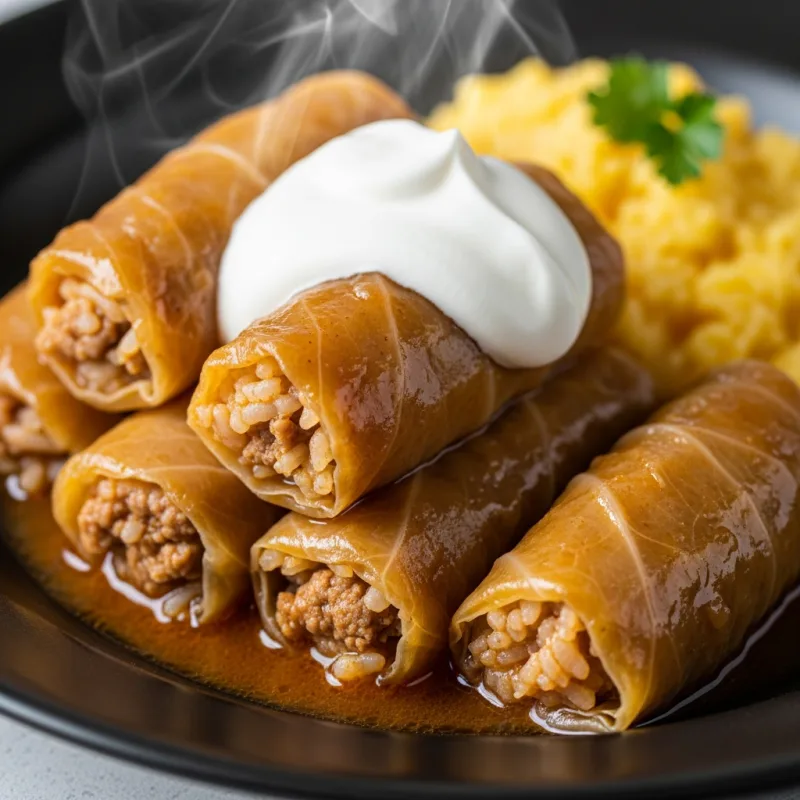
Traditional Romanian Sarmale (cabbage rolls) with sour cream and polenta

Must Try Dish

Sarmale - These iconic Romanian cabbage rolls are a must-try, featuring minced meat (usually pork, sometimes mixed with beef) and rice, seasoned with herbs, then tightly rolled in pickled cabbage leaves and slow-cooked to perfection. Served with a dollop of sour cream (smântână) and often a side of mămăligă (polenta), sarmale offer a comforting and deeply satisfying taste of traditional Romanian home cooking.
Food Experiences Title Icon

Food
Experiences

Discover cooking classes, tastings and local food tours

No food experience found
Maya, the human travel expert at TravelingWiz, offering curated, non-AI expertise

Maya’s Final Checklist for Bukovina (Romania)

Logistics shouldn’t be the focus of your trip—the experience should. I’ve hand-vetted these essential partners to ensure your arrival, stay, and exploration are as smooth as an Athenian breeze.

Where to Stay

From boutique hotels to local apartments—compare thousands of options and find the perfect stay in the best neighborhood.

Air Travel

Getting there should be seamless. Compare the best routes and prices across top airlines to start your journey on the right note.

Local Guides

Connect with experts who know the destination best. Get personalized advice and insider tips to help you plan your perfect trip.

Travel Protection

The “Engineer’s” rule: always have a backup. Secure your trip with a plan that covers every “what if” and unexpected change.

Car Rentals

Explore at your own pace with total freedom. Compare reliable rental options and find the right vehicle for your adventure.

Visa Services

Don’t let paperwork slow you down. Get expert assistance with your application to ensure all your entry documents are in order.

FAQs

The primary attractions are the UNESCO World Heritage painted monasteries, including Voroneț, Sucevița, Moldovița, Humor, and Arbore. Beyond these, visitors enjoy the natural beauty of the Carpathian foothills, traditional villages, and local museums.
Renting a car is highly recommended for flexibility in visiting the scattered monasteries and exploring the countryside. Public buses connect larger towns, but their schedules can be infrequent for rural routes. Taxis or organized tours are also options.
Yes, Bukovina can be family-friendly. Children might enjoy the colorful frescoes, the open spaces for running around, and the unique cultural experience. However, the focus is largely on historical and religious sites, which might require some engagement from parents.
Spring (April-May) and Autumn (September-October) offer pleasant weather and beautiful scenery with fewer crowds. Summer (June-August) is also popular but can be busier. Winter provides a unique, snow-covered charm, but some roads might be challenging.
Absolutely. Bukovina is nestled in the Carpathian foothills, offering numerous trails for various fitness levels, from gentle walks through meadows to more challenging hikes in the forests and mountains. Local guides can be arranged.

Your Insights Matter

TravelingWiz grows through the stories of our community. If you’ve recently explored ,Bukovina (Romania) share your tips and stories to help us perfect our guides for the next traveler.

Related Articles

Check out our related articles and blog posts to learn even more about the destination.

No related articles found

Don’t Travel Alone

Share with your friends and family

Where should we send your offline card?

We hate spam just as much as you do

newsletter_consent *