Oltenia, a historical province in southwestern Romania, is a region of profound natural beauty and deep-rooted cultural heritage. Its landscape is incredibly diverse, ranging from the dramatic peaks of the Southern Carpathians to the fertile plains along the Danube River, encompassing rolling hills, ancient forests, and picturesque valleys. This geographical variety has shaped a unique identity, evident in its architecture, traditions, and cuisine.
Historically, Oltenia has been a crossroads of civilizations, bearing the marks of Dacian, Roman, and medieval influences. Its strategic location led to the construction of numerous fortresses and monasteries, many of which stand today as testaments to its rich past. The region is particularly renowned for its Orthodox monasteries, such as the UNESCO-listed Horezu Monastery, celebrated for its Brâncovenesc architectural style and intricate frescoes. Beyond its historical sites, Oltenia offers a glimpse into authentic Romanian village life, where traditional crafts like pottery and weaving are still practiced, and ancient customs are preserved.
Reasons to Visit
- Rich Cultural Heritage: Explore UNESCO World Heritage sites like Horezu Monastery and numerous other historical churches and fortresses.
- Stunning Natural Landscapes: From the Carpathian foothills to the Danube Gorges, Oltenia offers diverse scenery for outdoor enthusiasts.
- Authentic Local Experience: Discover traditional villages, local crafts, and a way of life largely untouched by mass tourism.
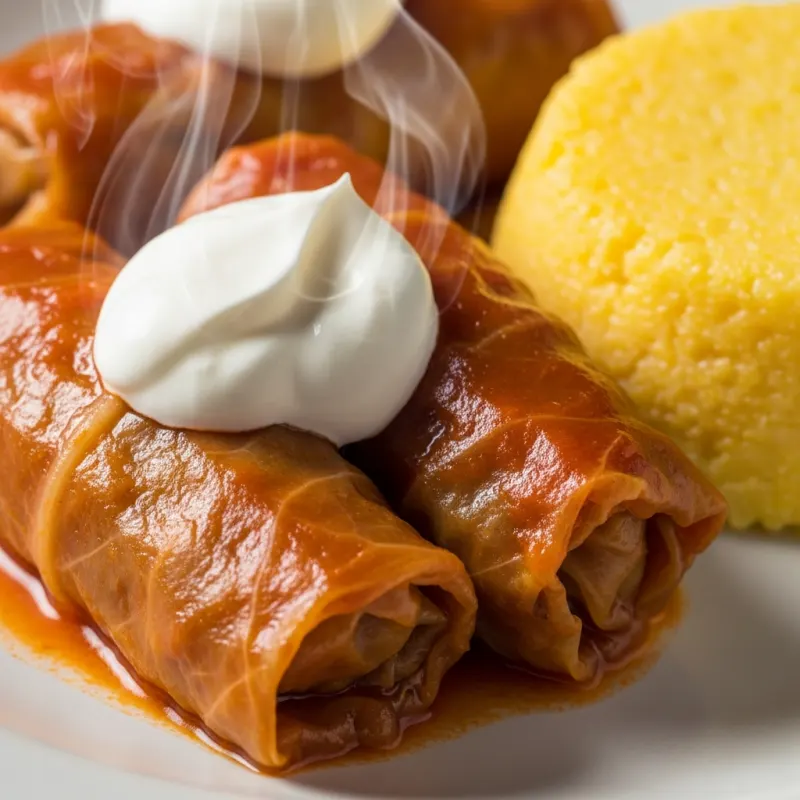
- Delicious Traditional Cuisine: Indulge in hearty Oltenian dishes, local wines, and homemade spirits.
- Affordable Travel: Enjoy a high-quality travel experience without the high costs often associated with other European destinations.
- Outdoor Activities: Opportunities for hiking, cycling, birdwatching, and boat trips on the Danube.
- Warm Hospitality: Experience the genuine warmth and friendliness of the local people.
Things to Avoid
- Unlicensed Taxis: Always use reputable taxi services or ride-sharing apps to avoid inflated fares.
- Flashing Valuables: While generally safe, it's wise to avoid openly displaying expensive items, especially in crowded areas.
- Isolated Areas at Night: Exercise caution and avoid walking alone in poorly lit or unfamiliar areas after dark.
- Disrespecting Religious Sites: Dress modestly when visiting monasteries and churches, covering shoulders and knees.
- Ignoring Local Customs: Be mindful of local etiquette, especially in rural areas, to show respect for traditions.
- Drinking Tap Water Everywhere: While generally safe in cities, it's safer to stick to bottled water in rural areas or if you have a sensitive stomach.
Local Transportation Tips
Getting around Oltenia is best achieved with a combination of methods. For maximum flexibility and to reach remote monasteries and natural attractions, renting a car is highly recommended. Major towns are connected by a network of national roads, and while some rural roads can be less maintained, they are generally passable. Public transportation includes intercity buses (autogări) and trains (CFR Călători), which are affordable and connect larger towns like Craiova, Târgu Jiu, and Drobeta-Turnu Severin. However, bus and train schedules can be infrequent, especially for smaller villages. Within towns, local buses and taxis are available. For specific excursions, consider hiring a local guide with transportation.
Travel Etiquette
- Greetings: A handshake is common when meeting someone. Use 'Bună ziua' (Good day) or 'Salut' (Hi, informal).
- Dress Code: When visiting churches and monasteries, dress modestly, covering shoulders and knees.
- Tipping: Tipping is customary in restaurants (10-15% for good service) and for taxi drivers.
- Hospitality: Romanians are generally very hospitable. If invited to a home, it's polite to bring a small gift (e.g., flowers, chocolates, or a bottle of wine).
- Photography: Always ask for permission before taking photos of people, especially in rural areas or religious settings. Some monasteries may have restrictions or require a small fee for photography inside.
- Punctuality: While not overly strict, being reasonably punctual for appointments is appreciated.
Recommended Age Group
Oltenia offers a diverse range of experiences suitable for nearly all age groups, blending historical exploration with natural beauty and cultural immersion.
- Babies (0-2 years): Neutral. While the serene environment can be pleasant, extensive travel with infants might be challenging due to varying road conditions and limited specialized facilities in very rural areas.
- Kids (3-12 years): Recommended. Children will enjoy the open spaces, gentle hikes, exploring castles and monasteries, and interacting with farm animals in rural settings. The legends and history can also be engaging.
- Teens (13-19 years): Recommended. Teens can appreciate the historical depth, enjoy outdoor adventures like hiking or cycling, and find the cultural experiences, including traditional crafts and local festivals, quite interesting.
- Adults (20-64 years): Recommended. This age group will find Oltenia highly rewarding, offering a perfect blend of cultural sightseeing, active outdoor pursuits, culinary exploration, and relaxation.
- Seniors (65+ years): Recommended. The region's slower pace, rich history, and beautiful scenery are ideal for seniors. While some sites may involve walking, many are easily accessible, and local hospitality is very welcoming.
Accessibility Level: Medium
- Transportation: Public transport (buses, trains) may not always be fully accessible. Renting a car offers more control for those with mobility needs.
- Accommodation: Newer hotels in larger towns may offer accessible rooms, but traditional guesthouses in rural areas might have limited accessibility features. It's best to inquire directly.
- Attractions: Many historical sites, especially older monasteries and fortresses, may have uneven terrain, stairs, or cobblestones. Natural parks often have varying trail difficulties.
- Pavements: Sidewalks in towns can be uneven, and rural areas may lack paved paths.
- Assistance: Romanians are generally helpful, and locals are often willing to assist visitors with accessibility challenges.
Did You Know?
Did you know that Oltenia is home to the legendary 'Constantin Brâncuși Ensemble' in Târgu Jiu, a monumental sculptural complex by one of the pioneers of modern sculpture? This open-air museum includes the 'Table of Silence,' 'Gate of the Kiss,' and 'Endless Column.' The region also boasts the 'Iron Gates' (Porțile de Fier), a spectacular gorge on the Danube River, forming a natural border with Serbia, which is one of Europe's most impressive river landscapes. Furthermore, the Horezu Monastery, a UNESCO World Heritage site, is not only an architectural marvel but also a center for a unique style of traditional Romanian pottery, also recognized by UNESCO for its intangible cultural heritage.
Cool Statistics
- Area: Approximately 29,212 km² (11,279 sq mi), making it one of Romania's larger historical regions.
- Population: Around 2.2 million inhabitants.
- UNESCO Sites: Home to the Horezu Monastery, a prime example of Brâncovenesc architecture.
- Rivers: Dominated by the Jiu River, and bordered by the Danube River to the south.
- Highest Peak: Parângu Mare (2,519 m / 8,264 ft) in the Parâng Mountains, part of the Southern Carpathians.
- Historical Significance: Once a Roman province (Dacia Malvensis) and later a key battleground in various conflicts.






Buy a compatible power adapter for your trip