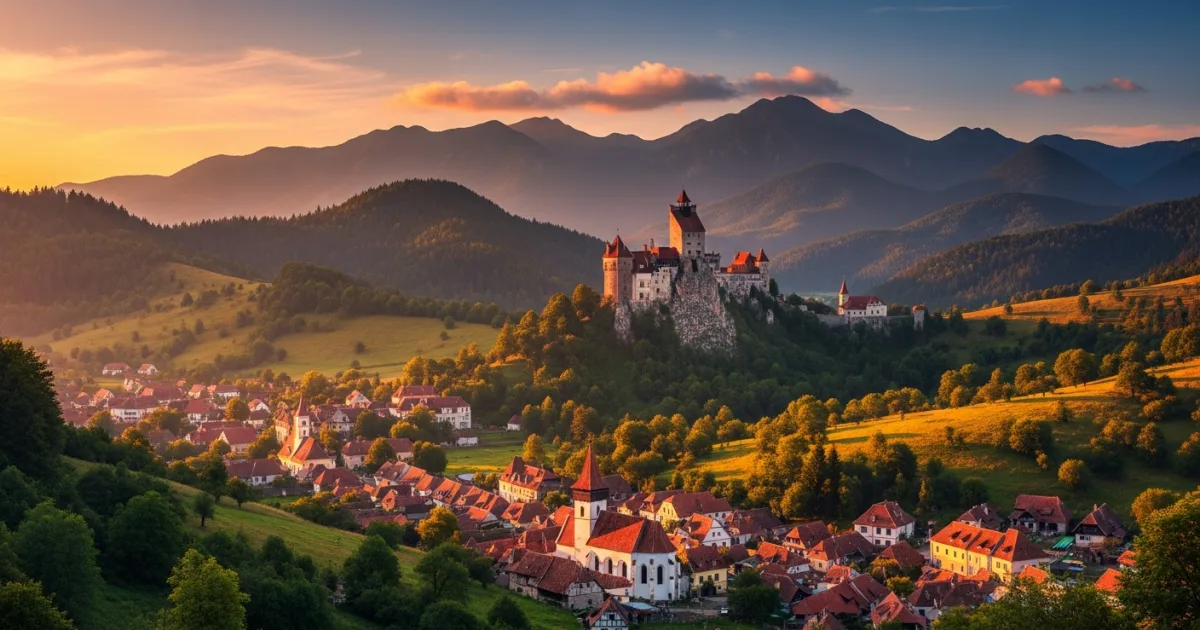
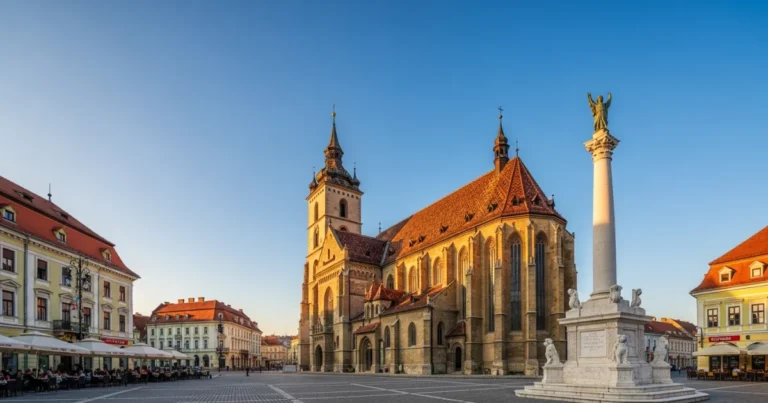
Transylvania, a name synonymous with mystery and ancient tales, is a region of Romania that captivates with its dramatic beauty and profound historical depth. Enclosed by the majestic Carpathian Mountains, it boasts a landscape of dense forests, rolling hills, and picturesque valleys. Beyond the popular myths, Transylvania is a living museum, home to well-preserved medieval towns like Brasov, Sibiu, and Sighisoara, each telling stories of Saxon settlers, Hungarian kings, and Romanian resilience. Its fortified churches, many of which are UNESCO World Heritage Sites, stand as testaments to a bygone era, offering a glimpse into the region's unique architectural and cultural heritage.
Travelers to Transylvania can immerse themselves in a diverse range of experiences, from exploring Bran Castle (often associated with Dracula) and the regal Peles Castle, to hiking through national parks, discovering traditional crafts, and savoring the hearty local cuisine. The region's vibrant festivals, warm hospitality, and the sheer variety of its attractions make it an ideal destination for history buffs, nature lovers, and those seeking an authentic European adventure. Whether you're tracing the footsteps of legends or simply enjoying the serene beauty of its countryside, Transylvania promises a journey filled with discovery and wonder.
Reasons to Visit
- Rich History & Culture: Explore medieval castles, fortified churches, and charming Saxon villages.
- Stunning Landscapes: Discover the breathtaking beauty of the Carpathian Mountains, perfect for hiking and scenic drives.
- Unique Architecture: Admire Gothic, Baroque, and Renaissance styles in cities like Brasov and Sibiu.
- Dracula's Legend: Visit Bran Castle and other sites associated with the famous vampire lore.
- Authentic Local Experiences: Engage with traditional crafts, folklore, and hearty Transylvanian cuisine.
- UNESCO World Heritage Sites: Explore numerous protected sites, including Sighisoara Citadel and fortified churches.
- Affordable Travel: Enjoy a high-quality travel experience at a more accessible price point compared to Western Europe.
Things to Avoid
- Dismissing the Region as 'Just Dracula': Transylvania offers so much more than vampire legends; focus on its rich history and culture.
- Driving without Caution: Rural roads can be winding and sometimes poorly maintained; drive defensively.
- Ignoring Local Customs: Be respectful of local traditions, especially when visiting religious sites.
- Not Carrying Cash: While cards are accepted in cities, many smaller establishments and rural areas are cash-only.
- Over-scheduling: Allow ample time to explore and soak in the atmosphere of each town and site.
- Underestimating Distances: Transylvania is a large region; plan travel times between destinations realistically.
Local Transportation Tips
Getting around Transylvania can be done via a combination of methods. Renting a car offers the most flexibility, especially for exploring rural villages and scenic mountain roads (like the Transfăgărășan or Transalpina). Major cities are well-connected by train (CFR Călători) and intercity buses, which are generally affordable and reliable. Within cities, public transportation (buses, trolleys) is efficient, and walking is often the best way to explore historic centers. Taxis and ride-sharing apps are also available in larger urban areas.
Travel Etiquette
- Greetings: A simple 'Bună ziua' (Good day) is appreciated when entering shops or meeting people.
- Tipping: Tipping 10-15% is customary in restaurants and for services if you are satisfied.
- Dress Code: Dress modestly when visiting churches and monasteries, covering shoulders and knees.
- Hospitality: Romanians are generally very hospitable; accepting offers of food or drink is a sign of respect.
- Photography: Always ask permission before taking photos of people, especially in rural areas.
- Punctuality: While not overly strict, try to be punctual for appointments or tours.
Recommended Age Group
Transylvania offers a diverse range of attractions and activities, making it a suitable destination for nearly all age groups, provided travel plans are tailored to their specific needs and interests.
- Babies (0-2 years): Neutral. While possible, extensive travel through Transylvania's varied terrain and historical sites might be challenging. Cities offer more amenities, but rural exploration requires careful planning for comfort and supplies.
- Kids (3-12 years): Recommended. Children will be enchanted by the castles, medieval towns, and the general atmosphere of folklore. Many outdoor activities, like light hikes and exploring fortified churches, are engaging.
- Teens (13-19 years): Recommended. Teens will appreciate the historical depth, the 'Dracula' connection, and the opportunities for adventure sports or exploring vibrant city life in places like Cluj-Napoca.
- Adults (20-64 years): Recommended. This age group will find Transylvania incredibly rewarding, with its blend of cultural immersion, historical exploration, outdoor activities, culinary experiences, and vibrant nightlife in larger cities.
- Seniors (65+ years): Recommended. Seniors can enjoy the scenic drives, guided tours of historical sites, and the relaxed pace of charming villages. Accessibility might be a consideration in some older towns with cobblestones or stairs, but many experiences are easily adaptable.
Accessibility Level: Medium
- Public Transport: Major cities have public transport, but older systems may not be fully accessible. Newer buses might offer better access.
- Historical Sites: Many castles, churches, and medieval towns feature cobblestone streets, stairs, and uneven terrain, which can be challenging for wheelchairs or those with mobility issues.
- Accommodation: Modern hotels in larger cities often provide accessible rooms, but traditional guesthouses in rural areas may have limited accessibility features.
- Roads: Main roads are generally good, but rural roads can be less maintained.
- Assistance: It's advisable to contact specific attractions or accommodations in advance to inquire about their accessibility provisions.
Did You Know?
Transylvania is home to the largest population of brown bears in Europe, with many living in the Carpathian Mountains. The region also boasts over 150 fortified churches and numerous castles, many of which predate the Dracula legend. The city of Sibiu was the European Capital of Culture in 2007, highlighting its significant cultural heritage. Furthermore, the famous Transfăgărășan Road, often called 'the best road in the world' by Top Gear, winds through the Transylvanian Alps.
Cool Statistics
- Area: Approximately 100,290 sq km (38,722 sq mi), covering about one-third of Romania.
- Population: Over 6.7 million residents.
- UNESCO Sites: Home to several UNESCO World Heritage Sites, including the Historic Centre of Sighisoara and the Fortified Churches of Transylvania.
- Bear Population: Estimated to be over 6,000 brown bears, the largest population in Europe.
- Highest Peak: Moldoveanu Peak (2,544 m / 8,346 ft) in the Făgăraș Mountains.
- Languages Spoken: Romanian (official), Hungarian, German.









Buy a compatible power adapter for your trip