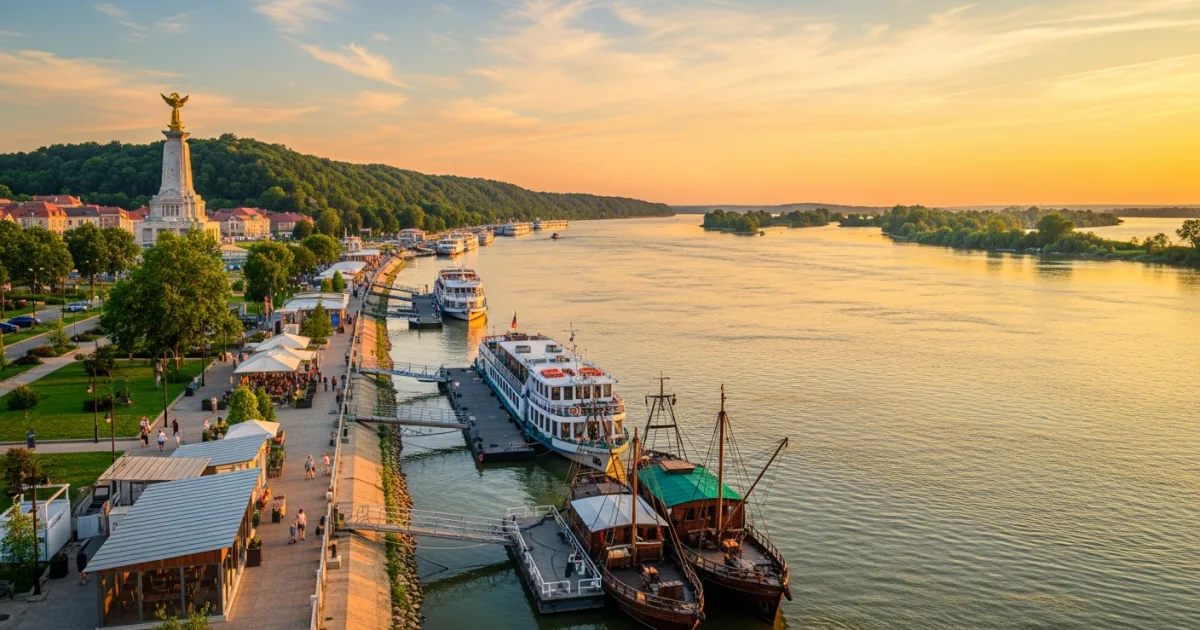
Tulcea is more than just a transit point; it is a destination that encapsulates the spirit of the Dobrogea region. Built on seven hills like Rome, the city offers a fascinating architectural mix of modern structures, communist-era blocks, and historic 19th-century houses. The Danube Delta Eco-Tourism Museum Center is a standout attraction, featuring one of the largest aquariums in Eastern Europe and providing crucial context about the delicate ecosystem you are about to explore. Strolling along the Faleza (waterfront promenade) at sunset, watching the ships navigate the mighty Danube, is a quintessential Tulcea experience.
Reasons to Visit
- Gateway to the Delta: The absolute best starting point for exploring the UNESCO-protected Danube Delta Biosphere Reserve.
- Rich Biodiversity: Access to unparalleled birdwatching, including Europe's largest pelican colonies.
- Cultural Melting Pot: Experience the unique heritage of the Lipovans, Greeks, Turks, and Romanians who have shaped the region.
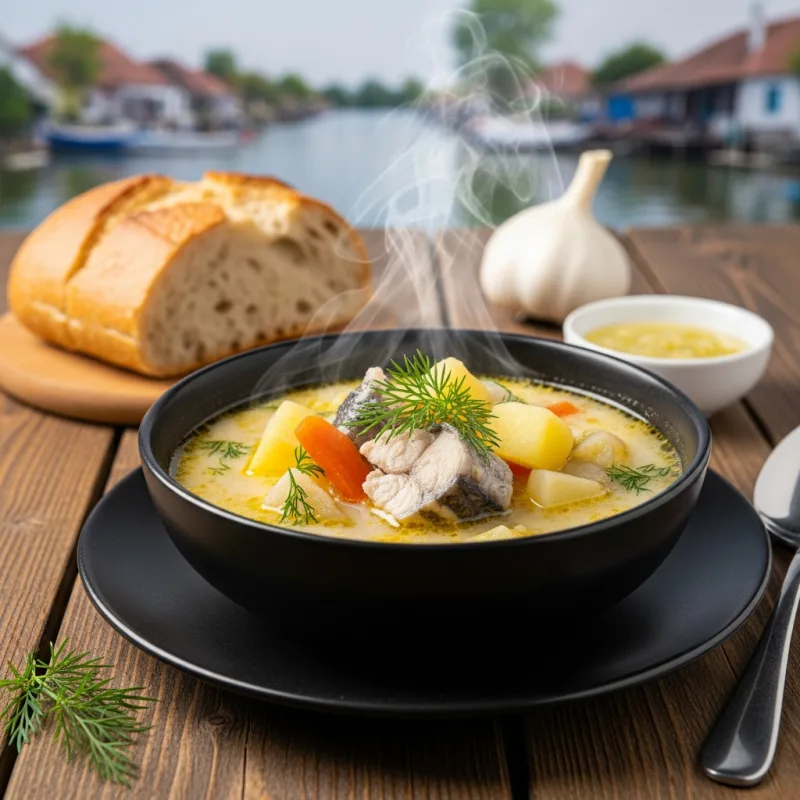
- Gastronomy: Taste authentic, freshly caught fish dishes prepared using centuries-old traditional recipes.
Things to Avoid
- Avoid booking boat tours with aggressive touts who do not display official licensing or clear pricing.
- Do not travel into the delta without sufficient cash, as ATMs are virtually non-existent in remote villages.
- Avoid visiting in mid-winter unless specifically interested in stark, icy landscapes, as most tourist infrastructure shuts down.
- Do not forget to purchase your ARBDD (Danube Delta Biosphere Reserve Authority) access permit before leaving the city limits.
Local Transportation Tips
Within Tulcea, the city center and waterfront are easily navigable on foot. For longer distances, local buses and inexpensive taxis are readily available. To explore the delta, you have two main options: the slow, affordable public Navrom ferries that transport locals and goods to main villages (Sulina, Sfântu Gheorghe, Periprava), or private fast boats and guided tours that offer customized itineraries through the narrower, more scenic canals.
Travel Etiquette
- Respect the delicate ecosystem of the delta by not littering and keeping noise levels down to avoid disturbing wildlife.
- When visiting local Lipovan churches, dress modestly (women should cover their heads with a scarf, and men should wear long trousers).
- Tipping around 10% in restaurants is customary if the service was good.
- Always ask for permission before photographing local residents, particularly in traditional fishing villages.
Recommended Age Group
Tulcea and the surrounding delta offer diverse experiences, though the nature of boat travel dictates suitability for certain age groups.
- Babies (0-2 years): Neutral. While the city itself is manageable, long boat tours in the delta can be hot, sun-exposed, and lack facilities for infants.
- Kids (3-12 years): Recommended. Children will love the Eco-Tourism Museum Center's aquarium and shorter, family-friendly boat trips to see wildlife.
- Teens (13-19 years): Recommended. Active teens can enjoy kayaking, paddleboarding, and exploring the historic monuments around the city.
- Adults (20-64 years): Recommended. Perfect for nature photography, cultural immersion, gastronomy, and slow travel through the waterways.
- Seniors (65+ years): Recommended. The city offers relaxed waterfront dining, and larger, comfortable cruise boats provide accessible ways to see the delta without physical strain.
Accessibility Level: Medium
- The main waterfront promenade (Faleza) in Tulcea is flat, paved, and highly accessible for wheelchair users.
- The Danube Delta Eco-Tourism Museum Center features ramps and elevators, making it fully accessible.
- Accessing traditional boats can be challenging for travelers with mobility issues; however, larger cruise vessels often have better boarding facilities. It is crucial to contact tour operators in advance to confirm accessibility.
- Sidewalks in older parts of the city may be uneven or lack curb cuts.
Did You Know?
Tulcea was originally founded by the ancient Greeks in the 8th century BC under the name Aegyssus. It was later conquered by the Romans, who recognized its strategic importance along the Danube River. The Roman poet Ovid even mentioned the city in his writings during his exile in nearby Tomis (modern-day Constanța).
Cool Statistics
- The Danube Delta, accessible from Tulcea, is the second largest and best-preserved river delta in Europe.
- Over 300 species of birds visit the delta region annually.
- Tulcea is built on exactly seven hills, earning it the nickname 'The City on Seven Hills' in Romania.
- The local aquarium houses over 50 species of fish native to the Danube and the Black Sea.






Buy a compatible power adapter for your trip